
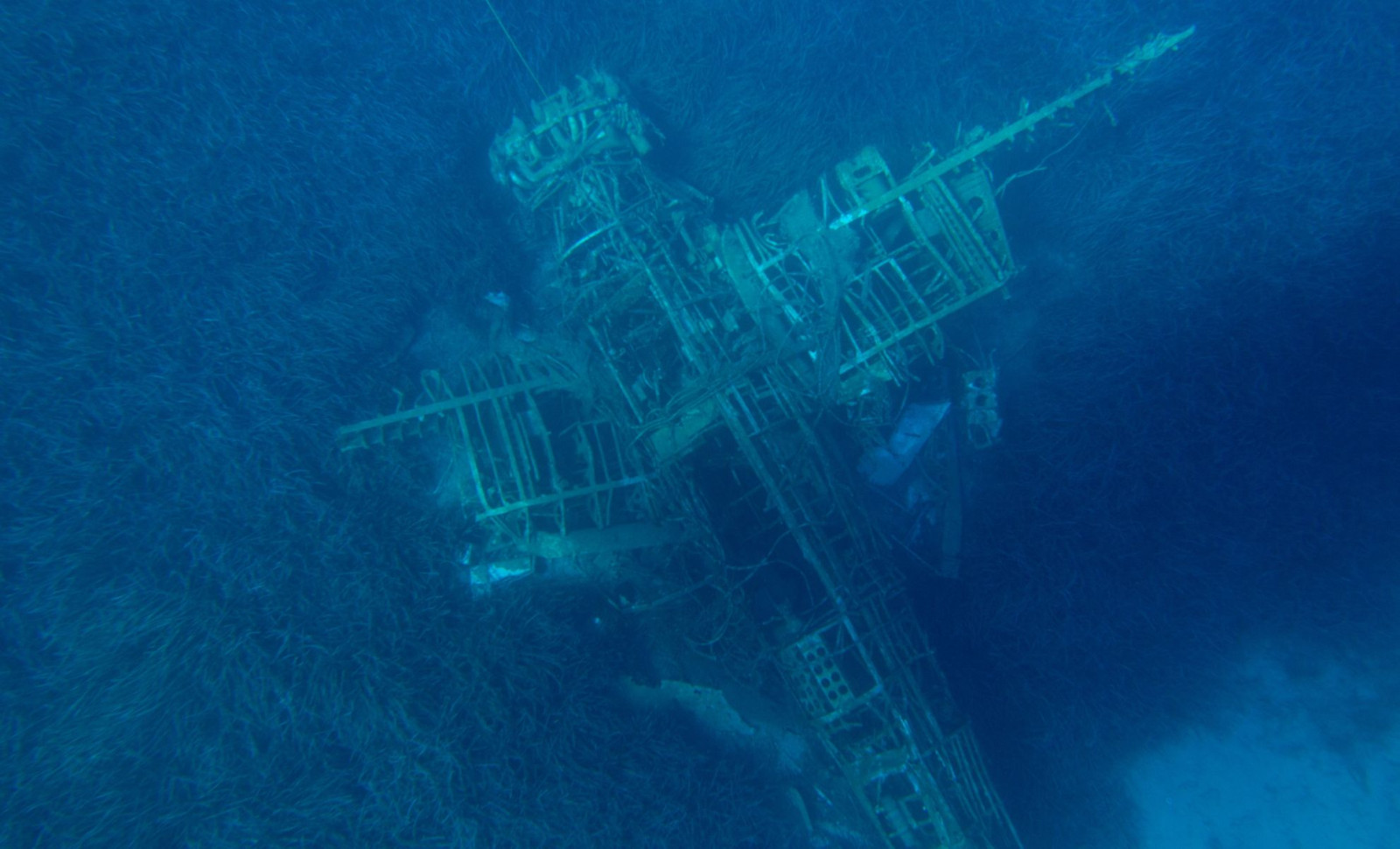
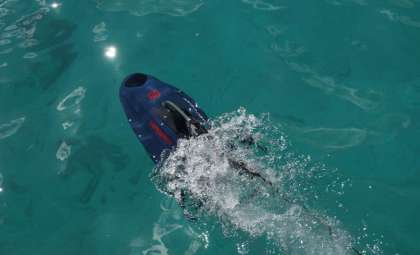
An innovative autonomous underwater vehicle has recently located a forgotten World War II aircraft wreckage resting beneath the waters close to Malta. The found remains were identified as a Fairey Swordfish bomber, uncovered during an independent dive to explore the ocean floor. This remarkable find enriches the collection of WWII wrecks located using modern technological tools designed to reveal elusive underwater historical treasures.
This discovery highlights the increasing reliance on robotic technology in underwater archaeology, where machines enable researchers to study submerged artifacts that were previously inaccessible or beyond reach due to depth and danger.
The Impact of the Fairey Swordfish in WWII Aviation History
Chris Clark, a scholar at Harvey Mudd College in California, oversaw the expedition that deployed the autonomous submersible to survey the seafloor near Malta for wreckage. Since the robot operates independently, it couldn’t relay real-time data, which added anticipation to the operation.

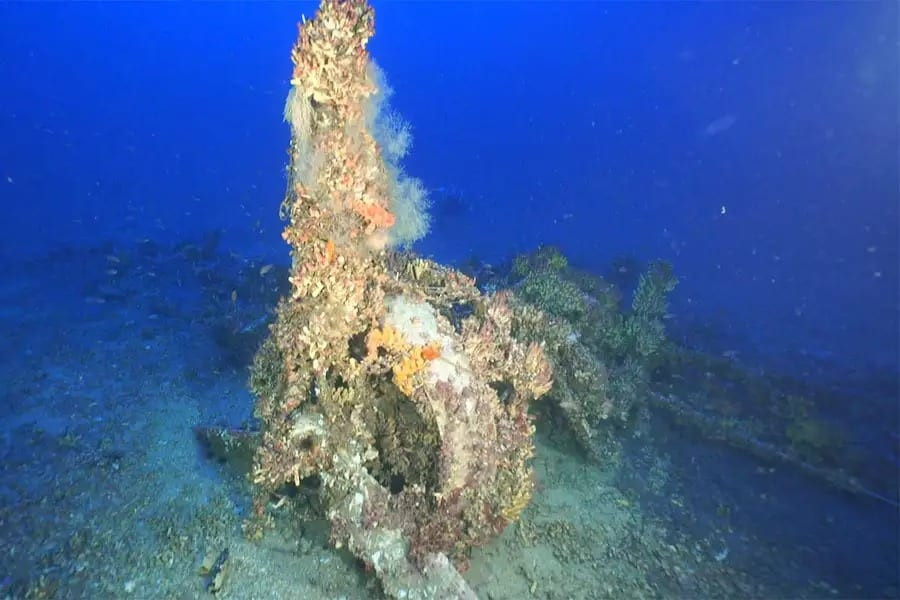
The research team awaited the robot’s resurfacing with keen interest, knowing the dive could reveal historically valuable debris. Clark described the waiting period as a mix of excitement and curiosity about the potential findings.
“We could have gone back to shore, but we prefer to sit out there babysitting it, chit-chatting and hypothesizing about what it might find,” he remarked, as quoted by New Scientist.
This method illustrates how integrating technology with archaeological exploration is not only about recovery but also about the thrill of uncovering what lies hidden beneath the ocean's surface.
Robotic Innovations Paving the Way for Rediscovering Lost Artifacts
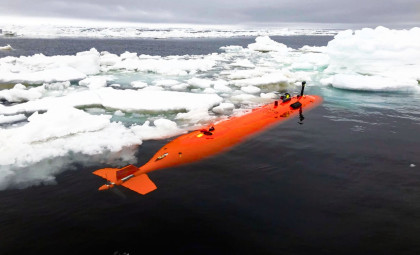
The sophisticated Autonomous Underwater Vehicle (AUV) used in this mission exemplifies how automated technology bolsters archaeological research. However, the human role remains essential in guiding the interpretation and situational response during such endeavors.
“It is dangerous and time-consuming to send divers to look for wreckages, so obviously, we need to get robots down there,” Clark explained
While the submersible methodically scans the seabed, the team watches closely, eager to learn of its discoveries. “It is a piece of history,” Clark commented.
The fusion of innovative technology with patient scientific inquiry enabled the unveiling of the Fairey Swordfish aircraft wreck. Each expedition continues to reveal hidden chapters of history entombed beneath the ocean’s surface.
- Categories:
- Science




0 comments
Sign in to Comment