
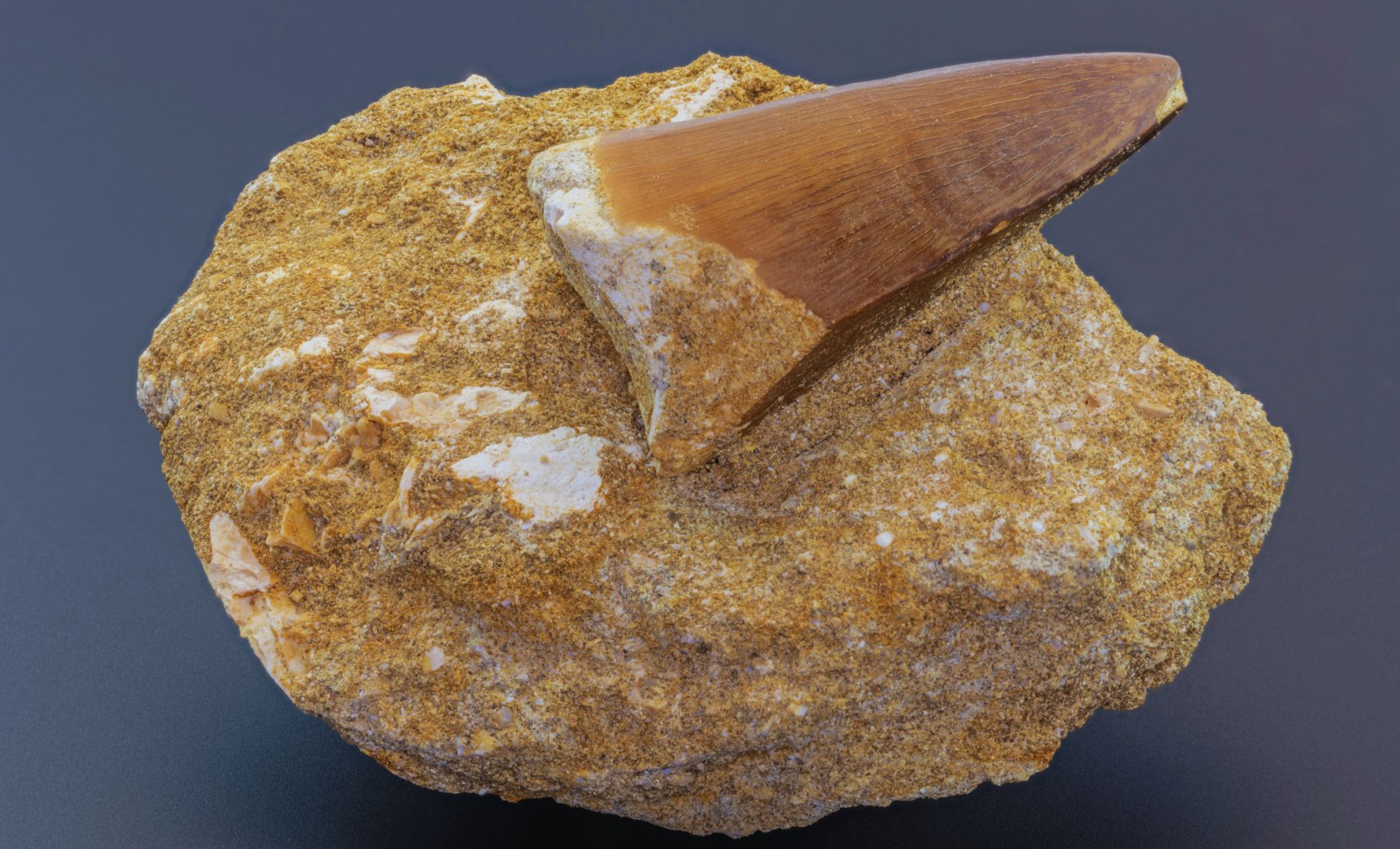
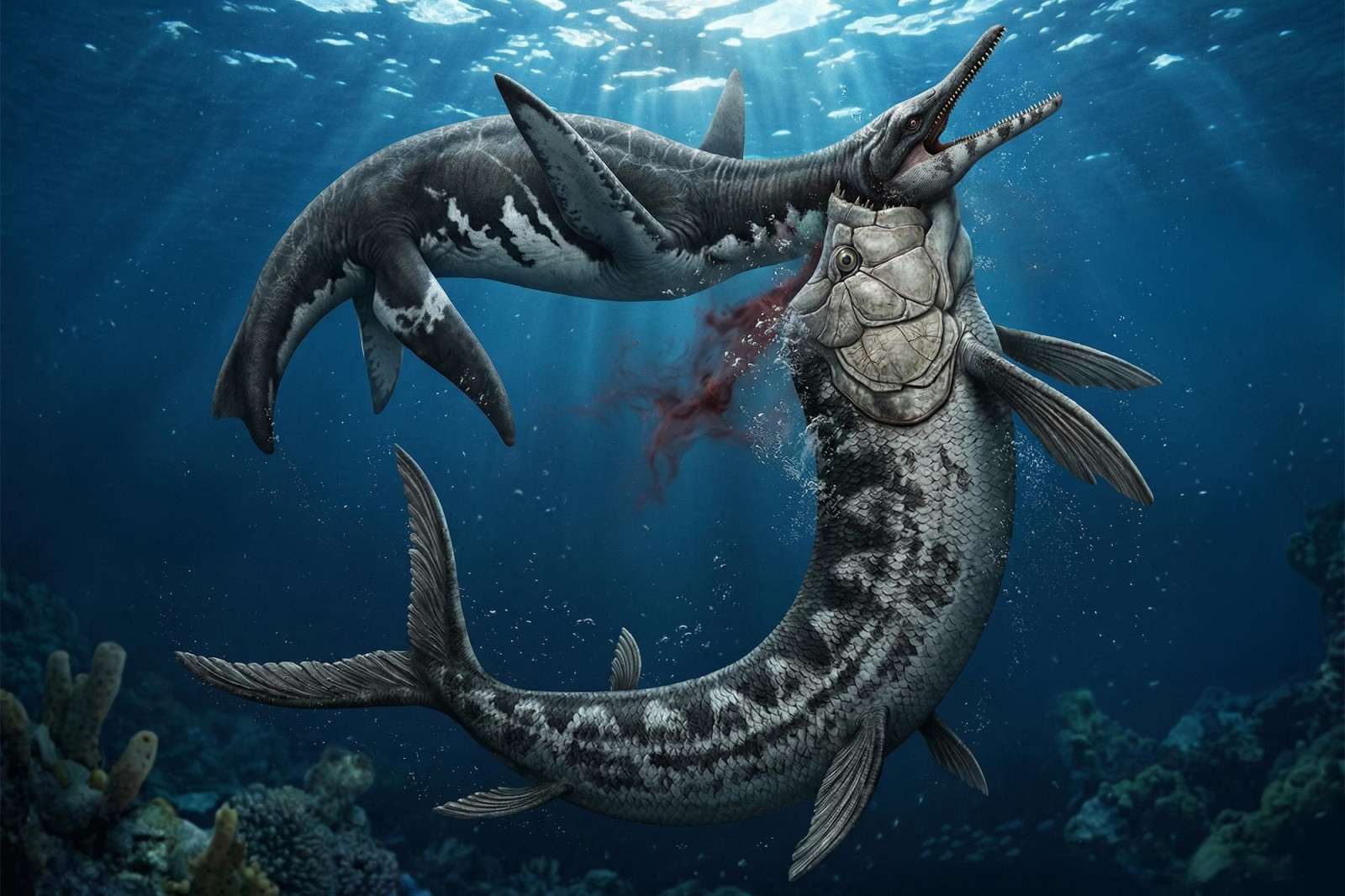
An extraordinary fossil unearthed in Alabama reveals a sudden, forceful battle between two formidable prehistoric ocean hunters. A tooth, fractured yet still embedded in bone for over 80 million years, offers a snapshot of a lethal encounter.
This specimen is from a Polycotylus, a marine reptile with an elongated neck that inhabited the Western Interior Seaway. It was overlooked for years in the collections at the Field Museum of Natural History in Chicago until its unique feature caught a researcher's eye.
An Unusual Discovery Among Museum Collections
The find was serendipitous. Christopher Brochu from the University of Iowa noticed an odd vertebra while sorting through fossils for educational purposes.

“I sometimes look at other material to see if there’s anything I can show in my classes, and that’s when I saw the bitten vertebra,” reported Brochu.
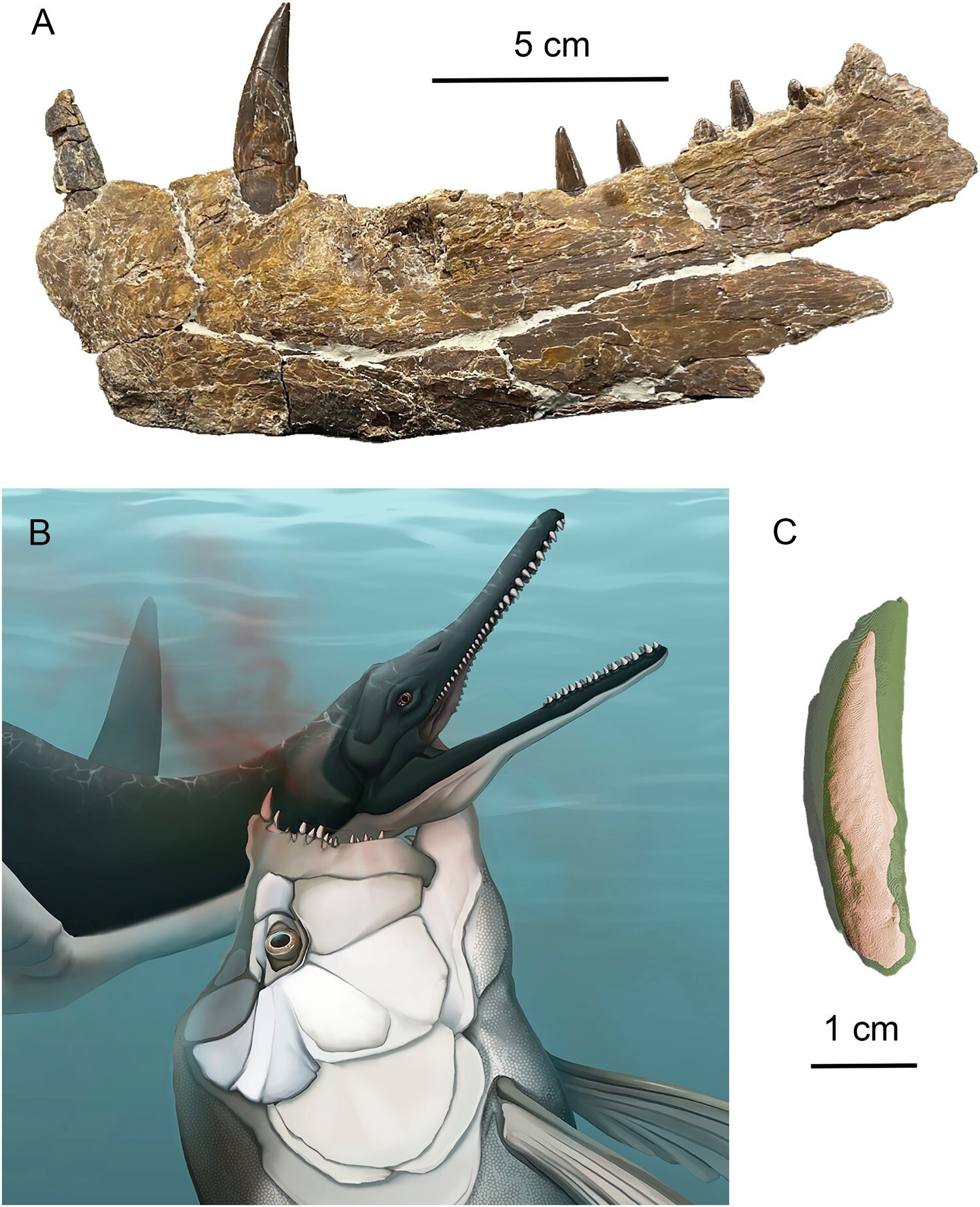
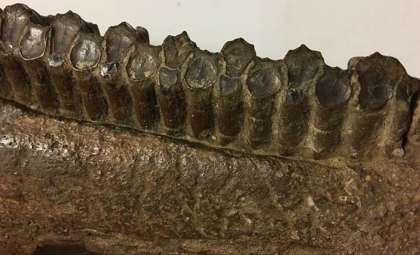
According to the article in the Journal of Vertebrate Paleontology, a large tooth was embedded in the neck bone, broken at both ends, probably due to the bite force and fossilization. Its placement confirmed this was a serious wound, rather than a minor scrape.
Advanced Imaging Identifies the Aggressor
Scientists employed CT scans to trace the origin of the embedded tooth. This technique enabled University of Tennessee students Miles Mayhall and Emma Stalker to create a detailed 3D model of the tooth.
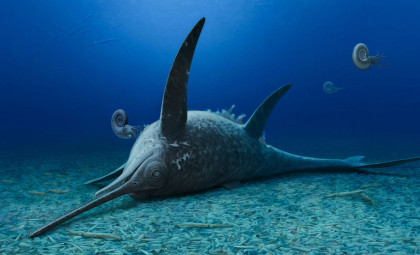
Analysis identified Xiphactinus, a giant predatory fish native to the same ancient seas, as the likely attacker. Known for fossil remains where prey is swallowed whole, this example indicates a direct attack rather than post-mortem feeding marks.
A Harsh Environment With No Predator Guarantees
The bite location reveals significant insights. Paleontologist Stephanie Drumheller, lead author of the research, suggested this challenges the conventional hierarchy of ancient marine predators.
“We sometimes get these fixed ideas in our heads about who the top predator in any given environment is and who might rest a rung or two down on the food chain.” She added, “This fossil is a good reminder that nature is rarely that cut and dry.”
The tooth’s embedding in the throat area, rich with critical arteries, nerves, and the esophagus, means survival after such an attack was improbable, explained Robin O’Keefe of Marshall University. Similar fossils from the Mooreville Chalk reveal frequent bite injuries from various large marine creatures.
- Categories:
- Science





0 comments
Sign in to Comment