
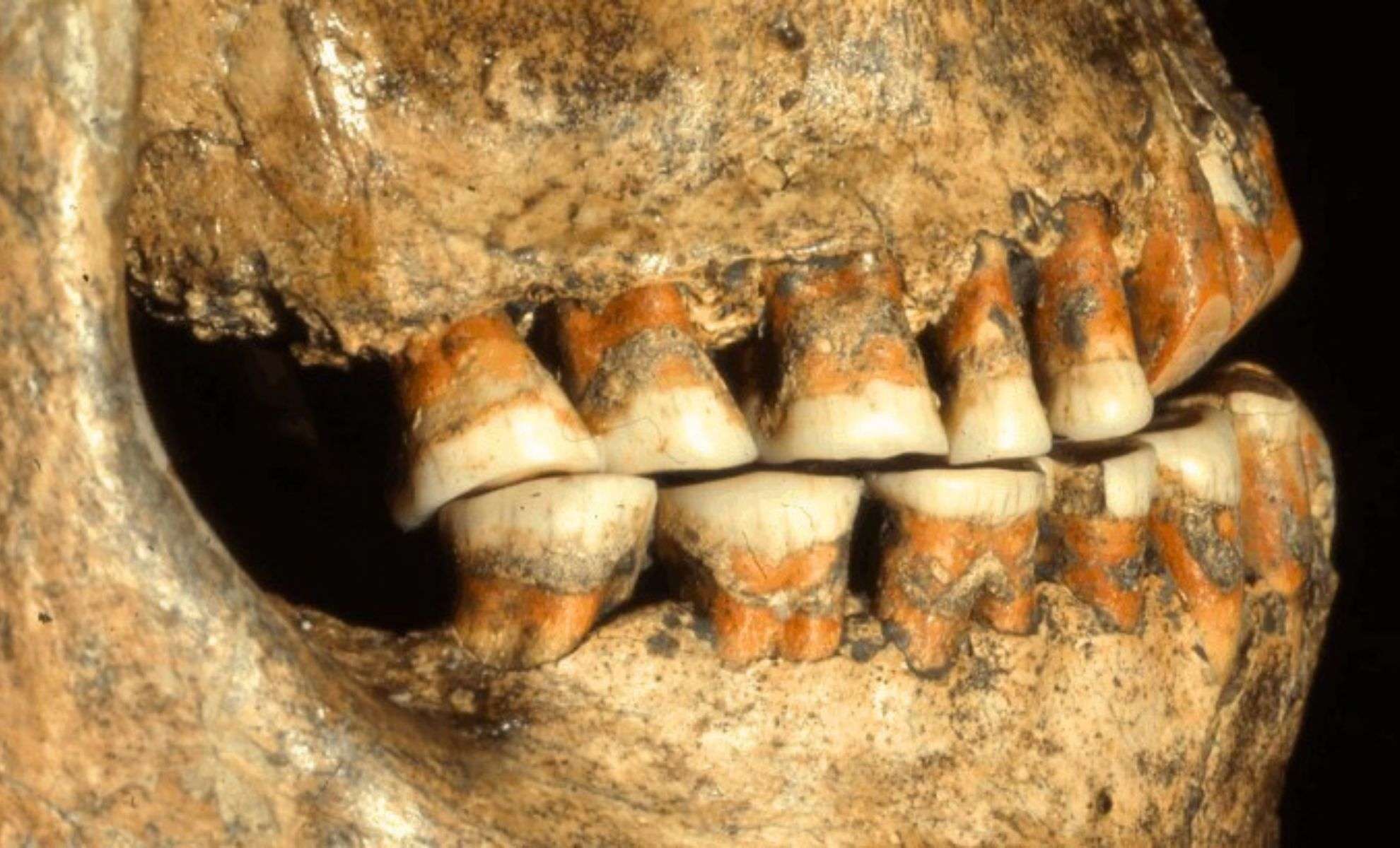
Previously, scientists believed that narrow grooves found on ancient human teeth were the earliest signs of tool use—primitive toothpicks crafted to clean teeth or alleviate gum discomfort. These so-called toothpick grooves have been identified in fossils ranging from Homo erectus to Neanderthals and were interpreted as evidence of early cultural practices. However, recent comprehensive research could dramatically alter this understanding of human evolution.
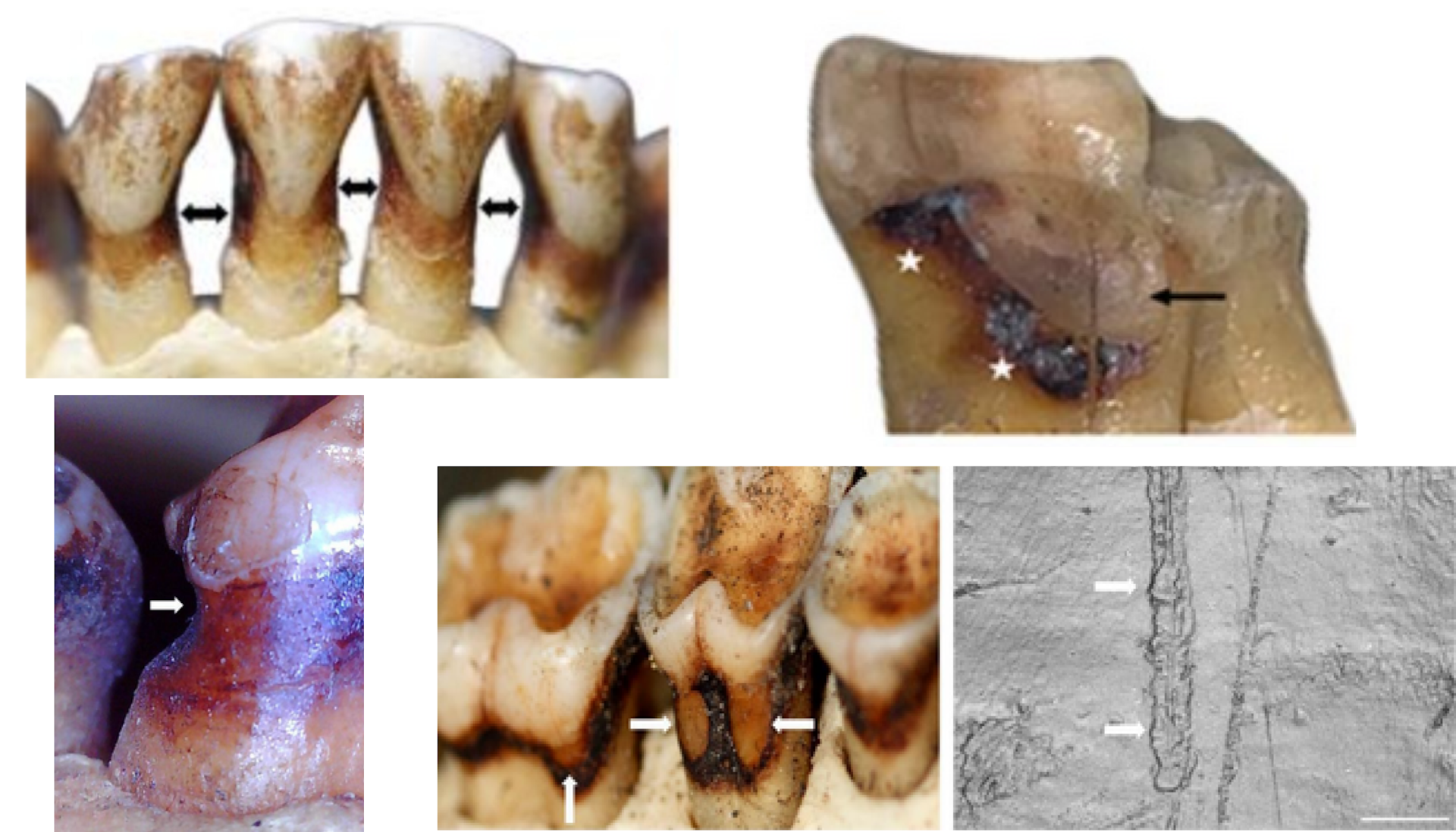
Featured in the American Journal of Biological Anthropology and conducted by scientists at Kyoto University and Griffith University, this investigation analyzed over 500 teeth from wild primates encompassing 27 species. Remarkably, similar grooves—comparable to those found in ancient human fossils—were observed in primates that have not been documented using tools for dental care. In some instances, these grooves exhibited the same subtle striations and positioning previously attributed to purposeful toothpicking.
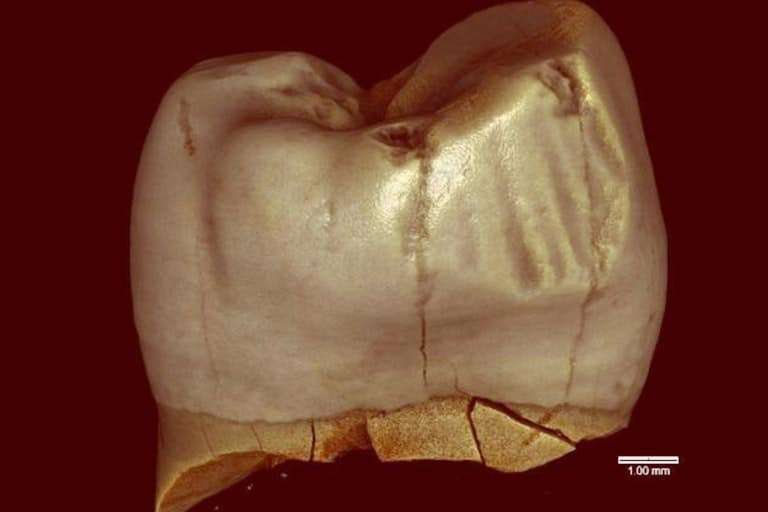
This discovery calls into question long-standing beliefs in paleoanthropology. If such grooves can naturally occur in non-human primates, the distinction between biological processes and cultural behavior in fossilized remains becomes less clear-cut.

Reexamining a Long-Held Notion Through Advanced Techniques
The concept that early humans used toothpicks emerged as early as the 1920s, with anthropologists identifying narrow, V-shaped grooves on fossil teeth. These marks, often found in less accessible areas like molar roots, were considered evidence of regular insertion of plant fibers or small sticks—early manifestations of dental hygiene or self-medication.
Researchers Ian Towle and Luca Fiorenza challenge this with their new study. Utilizing confocal laser microscopy and 3D imaging, they examined dental samples from wild orangutans, gorillas, Japanese macaques, and other primates. Approximately 4% showed distinct non-carious cervical lesions—areas of gumline tissue degradation unrelated to decay.
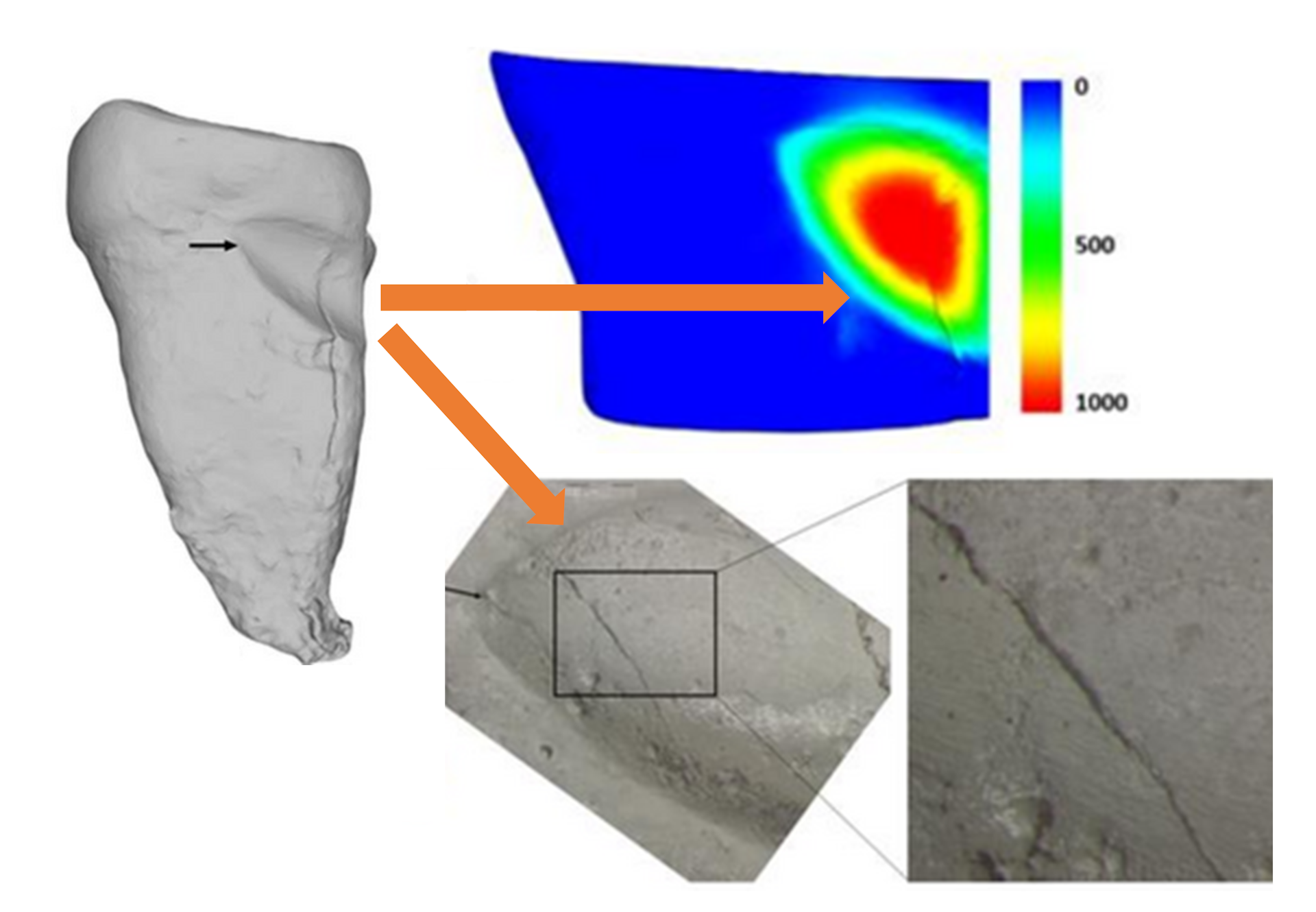
Notably, some grooves bore an almost exact resemblance to those historically labeled as “toothpick marks” in human fossils. “We observed features such as tapering shapes, smooth interior surfaces, and parallel microscopic scratches,” Towle shared in a recent discussion. “These characteristics closely match those previously interpreted as cultural traits in humans.”
Absent Patterns Offer New Insights into Human Dental Evolution
The study’s revelations extend beyond present findings. None of the examined primate teeth exhibited evidence of abfraction—a prevalent dental condition in modern humans marked by deep V-shaped notches at the gumline, often linked to factors like vigorous brushing, teeth grinding, and acidic diets.
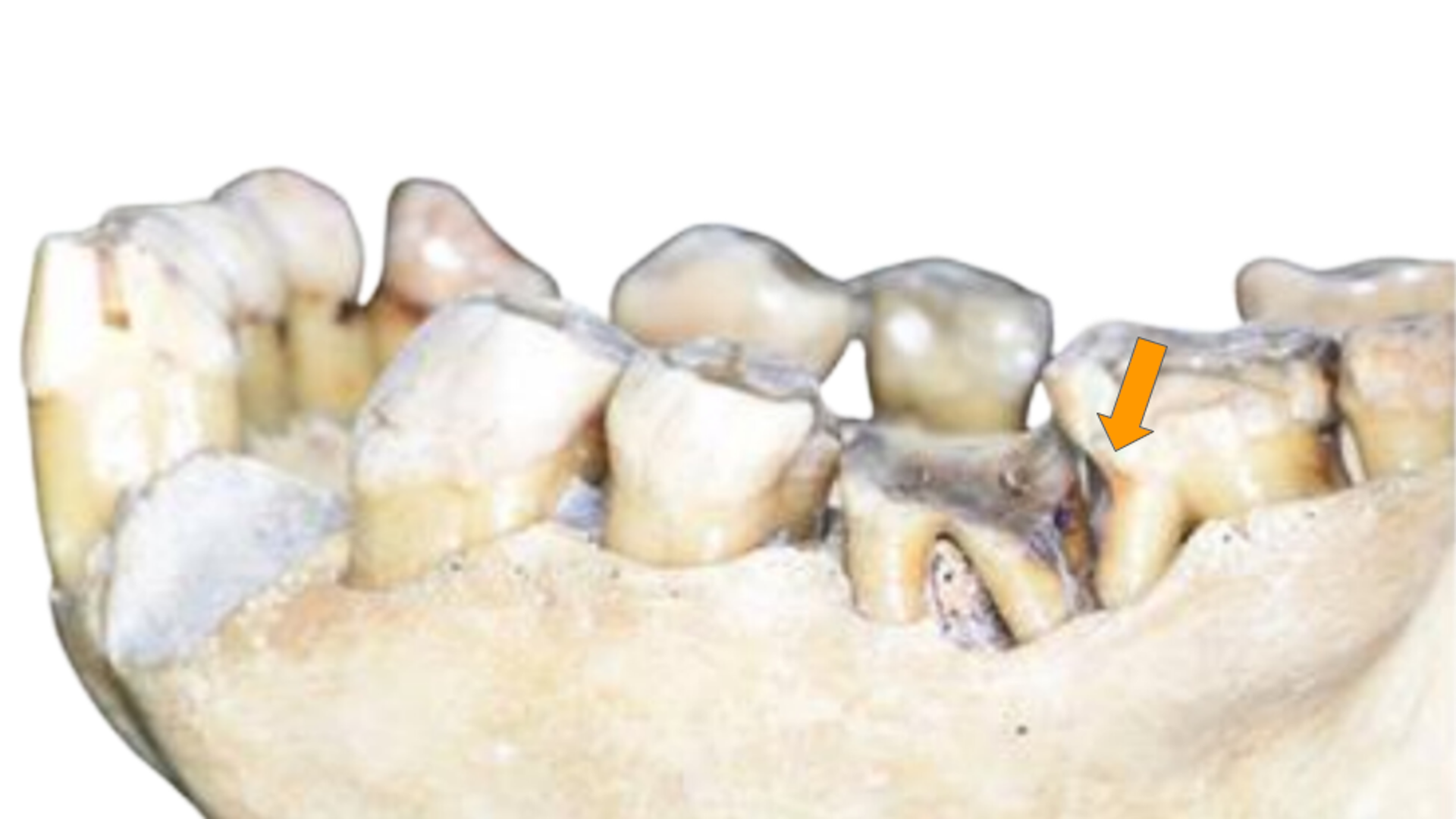
The absence of abfraction in these wild primates implies this condition is characteristic of humans and potentially a byproduct of changes linked to industrialized lifestyles. This echoes findings in the emerging discipline of evolutionary dentistry, which investigates how modern eating habits and practices have reshaped dental wear, decay, and damage patterns.
Given this context, “toothpick grooves” might reflect more biological influences—such as biting forces, abrasive diet components, and environmental particles—rather than deliberate cultural activities.
Interpreting Behavior Requires Contextual Evidence
This research does not exclude the possibility that some early humans used tools for oral hygiene. Captive orangutans, for example, have been observed manipulating sticks and stripping bark. Certain dental markings in human fossils might indeed indicate intentional acts.
However, the study emphasizes the importance of caution when attributing cultural significance to every dental groove in the fossil archive. The authors note that a lack of comparative primate data has led to misinterpretations over many years.
“Grooves on teeth alone,” Fiorenza explains, “cannot reliably demonstrate complex behavior. Without comprehensive ecological and cross-species comparisons, there is a risk of interpreting accidental markings as purposeful.” Simply put, the existence of grooves does not always imply a mindful action.
- Categories:
- Science







0 comments
Sign in to Comment