
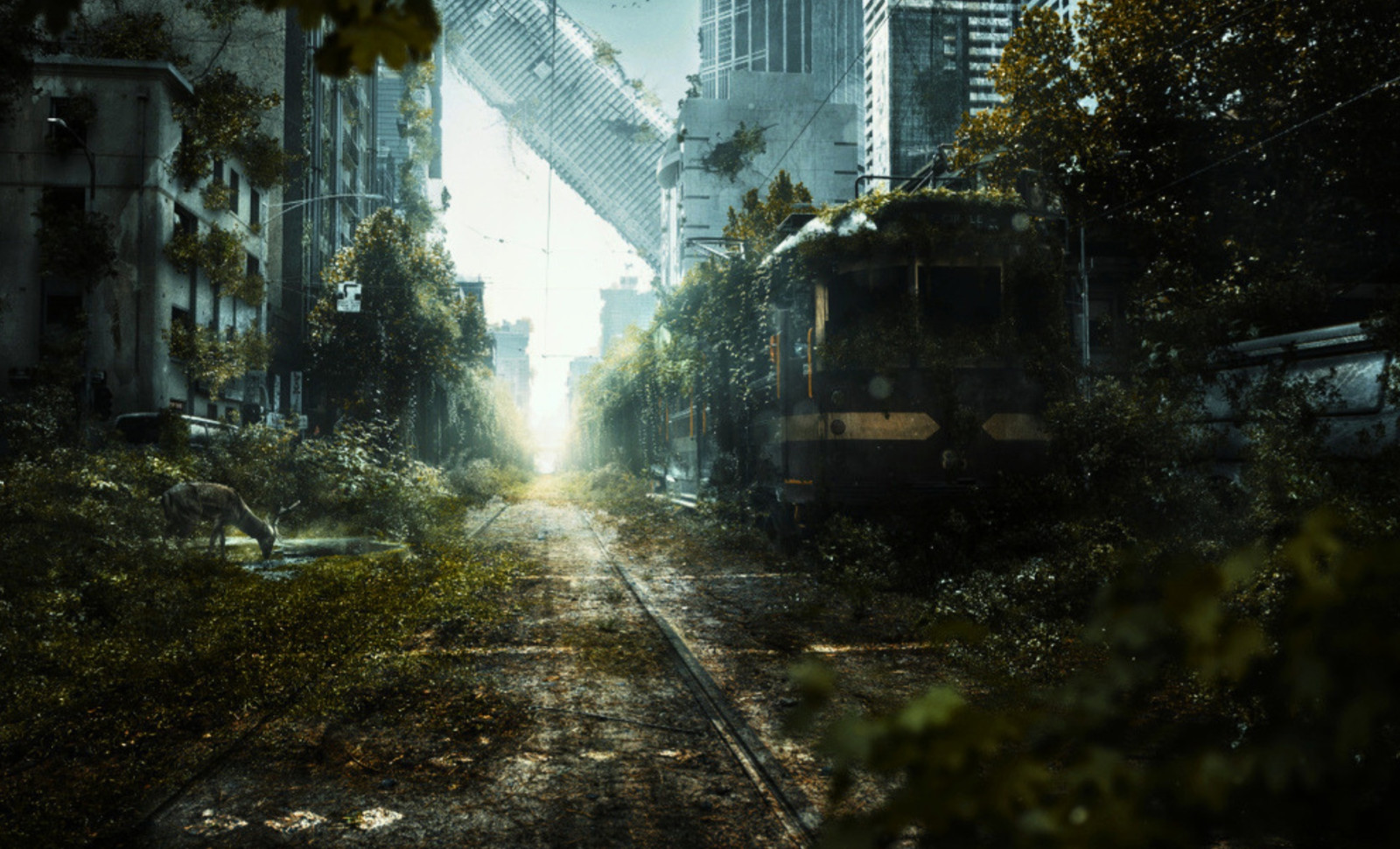
In the event of a worldwide societal breakdown triggered by escalating climate crises, catastrophic biodiversity loss, or a nuclear-induced shutdown of sunlight, survival hinges on three critical factors. A location must possess a temperate island climate resilient enough to maintain agriculture despite planetary upheavals. It also requires a self-sufficient electrical grid independent of imported fuels. Finally, it must have sufficient farmland to support its population in the absence of global trade.
A peer-reviewed article in the journal Sustainability examined these parameters across all nations worldwide. Lead researchers Nick King and Professor Aled Jones from Anglia Ruskin University’s Global Sustainability Institute sought “nodes of persisting complexity”—places capable of retaining some level of organized society while the majority of the planet experiences systemic breakdown.
An additional study published in February 2023 in Risk Analysis, and highlighted by The Guardian, focused specifically on scenarios blocking sunlight abruptly, such as nuclear winter, supervolcanic eruptions, or asteroid impacts. This report assessed 38 island nations using 13 survival-related criteria. Combined, the research identifies seven countries with superior chances of enduring such global disruptions.

Five Countries Meeting the Strictest Survival Standards
The Sustainability paper incorporated three key filters atop existing climate vulnerability data. First was a temperate oceanic climate mitigating extreme temperatures that could render tropical regions inhabitable. Second was farmland availability per capita as a proxy for the land’s ability to sustain human populations. Third was local renewable energy production capacity sufficient to operate essential services without imported fuels.
New Zealand surpassed all benchmarks by a notable margin. Its extensive hydroelectric infrastructure and rich geothermal energy sources enable energy self-reliance. Possessing approximately 0.023 square kilometers of agricultural land per resident, it offers a food security cushion rare among developed countries. Additionally, its South Pacific setting buffers it from collapses spreading through interconnected continental networks.
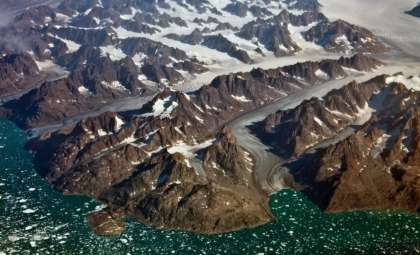
Iceland ranked closely behind New Zealand, powered predominantly by geothermal and hydropower. Its relatively small population scattered across volcanic terrain with ample arable land limits strain on resources even if external aid ceases.
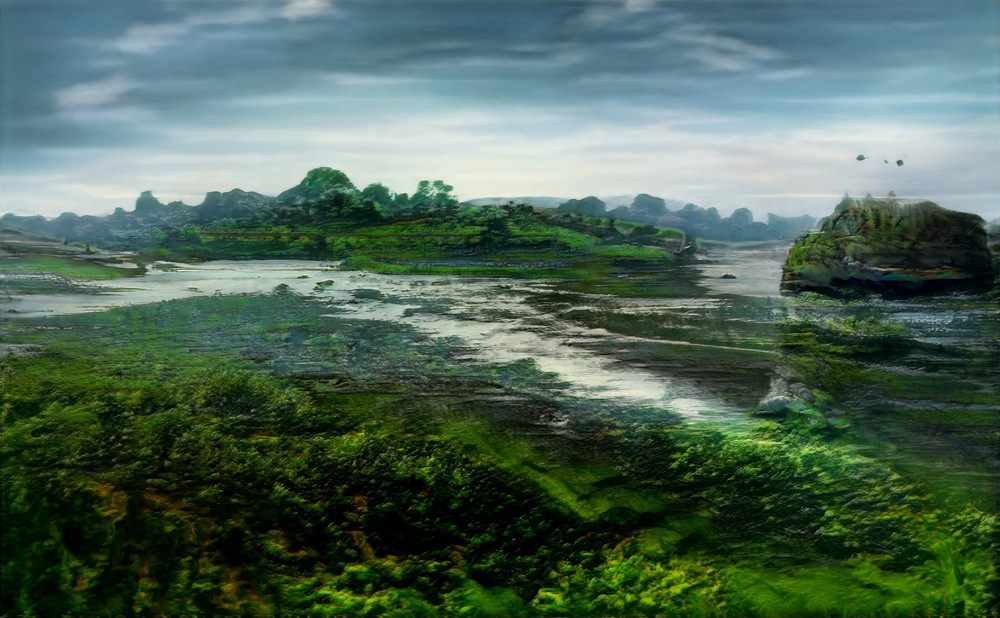
Ireland qualified due to its mild climate and considerable farmland, though its renewable energy infrastructure still falls short of the energy independence seen in New Zealand and Iceland.
The United Kingdom shares a similar oceanic climate advantage but faces challenges from higher population density, stressing its carrying capacity. Moreover, its dependence on imported materials for power infrastructure and food production systems increases vulnerability to the collapse of global trade.
Australia presents a complex picture. Most of its mainland is deemed too arid and hot to sustain advanced society absent considerable energy use for climate control and irrigation. Nevertheless, the island state of Tasmania exhibits conditions akin to New Zealand's favorable profile.
Two Additional Countries Highlighted in Nuclear Winter Study
The Risk Analysis research added two more nations to the roster. Assessing food production, energy autonomy, and climate resilience under prolonged sunlight reduction, it confirmed New Zealand, Iceland, and parts of Australia as top survivors.
The study also identified the Solomon Islands and Vanuatu as capable of sustaining their populations post abrupt planetary cooling. While these nations lack the manufacturing bases of more industrialized contenders, their agricultural frameworks could operate without complex supply chains vital to modern cities.

Under nuclear winter circumstances, Australia ranks highest overall. Here, the vast interior becomes an asset rather than a liability, serving as a hardy food resource buffer amid Northern Hemisphere fallout. The study remarks, “Australia’s food supply buffer is gigantic,” capable of supporting tens of millions beyond its existing population.
An Unresolved Vulnerability for Even the Strongest Islands
University of Otago’s Professor Nick Wilson, co-author of the Risk Analysis paper, cautioned that geographic advantages alone don’t guarantee survival. As he noted in The Guardian, New Zealand “no longer had any facility refining fuel and is intensely dependent on imports for the diesel, pesticides and machinery needed to sustain its dominant agricultural sector.” Without global shipping, food production would collapse within a single seasonal cycle.
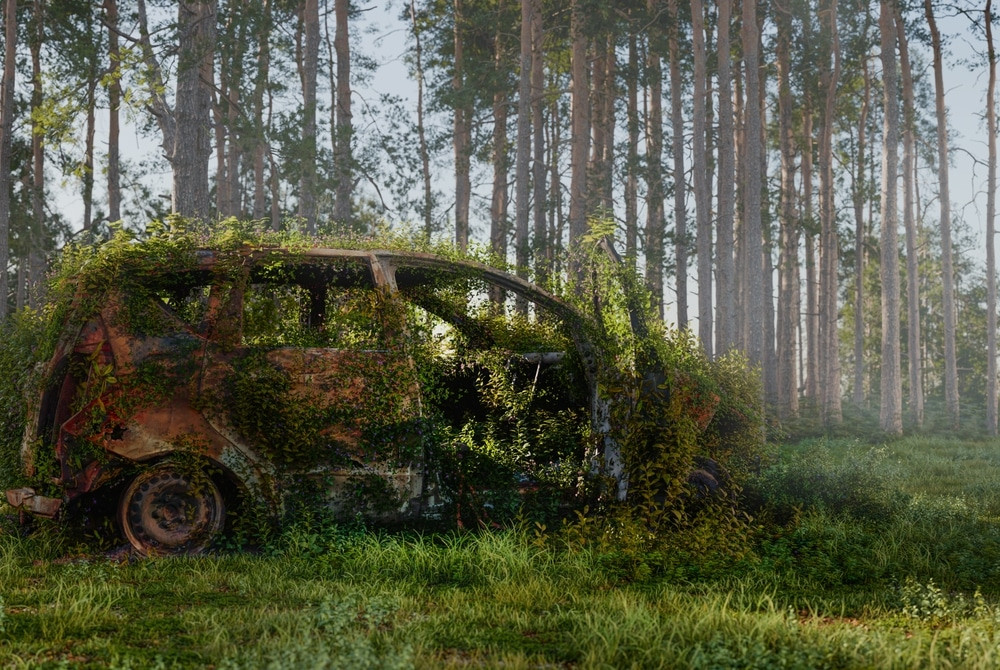
The Sustainability authors echo these concerns. Their models presuppose some level of ongoing domestic manufacturing, an assumption fraught with uncertainty. Modern agriculture depends on liquid fuels, and fertilizer production often requires imported chemical inputs.
Electric grids rely on specialized parts manufactured in just a few countries worldwide. None of the seven identified nations produce every essential component their infrastructure demands.
Insights from the Survival Shortlist
Both research teams emphasize that these “nodes of persisting complexity” are likely to arise spontaneously due to geography and infrastructure combined with global shocks—not through deliberate human planning or intervention.
The conclusions have broader relevance beyond worst-case scenarios. Countries lacking inherently favorable conditions can still enhance resilience by expanding indigenous renewable energy, minimizing dependence on foreign supply chains for critical materials, and balancing consumption to fit local land and water limits.
The Sustainability article suggests that humanity’s tendency to exceed planetary limits may be an inevitable pattern of resource use within finite systems. In the event of a large-scale simplification, the areas retaining some degree of complexity could preserve technological knowledge and social organization for future generations.
- Categories:
- News






0 comments
Sign in to Comment