
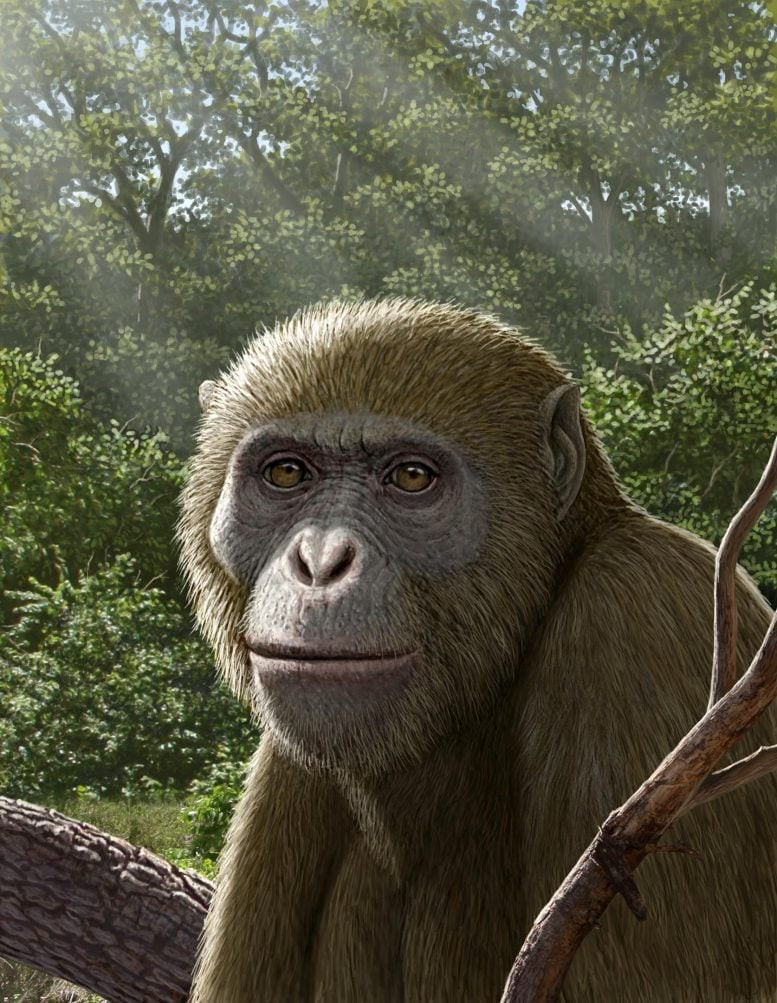
A remarkable fossil unearthed in northern Egypt is prompting scientists to rethink established ideas about our evolutionary beginnings. Known as Masripithecus moghraensis, this primate lived approximately 17 to 18 million years ago and could represent a close relative to the common ancestor of today’s apes.
Historically, East Africa has been regarded as the central region for early human evolutionary discoveries, hosting many significant fossil finds that shaped our understanding of human origins.
However, this recent discovery reveals that the evolutionary landscape might be broader than previously assumed. Fossil evidence from this era is sparse and unevenly distributed, and large portions of the African continent remain under-examined, resulting in an incomplete narrative.

Turning Attention to Northern Africa
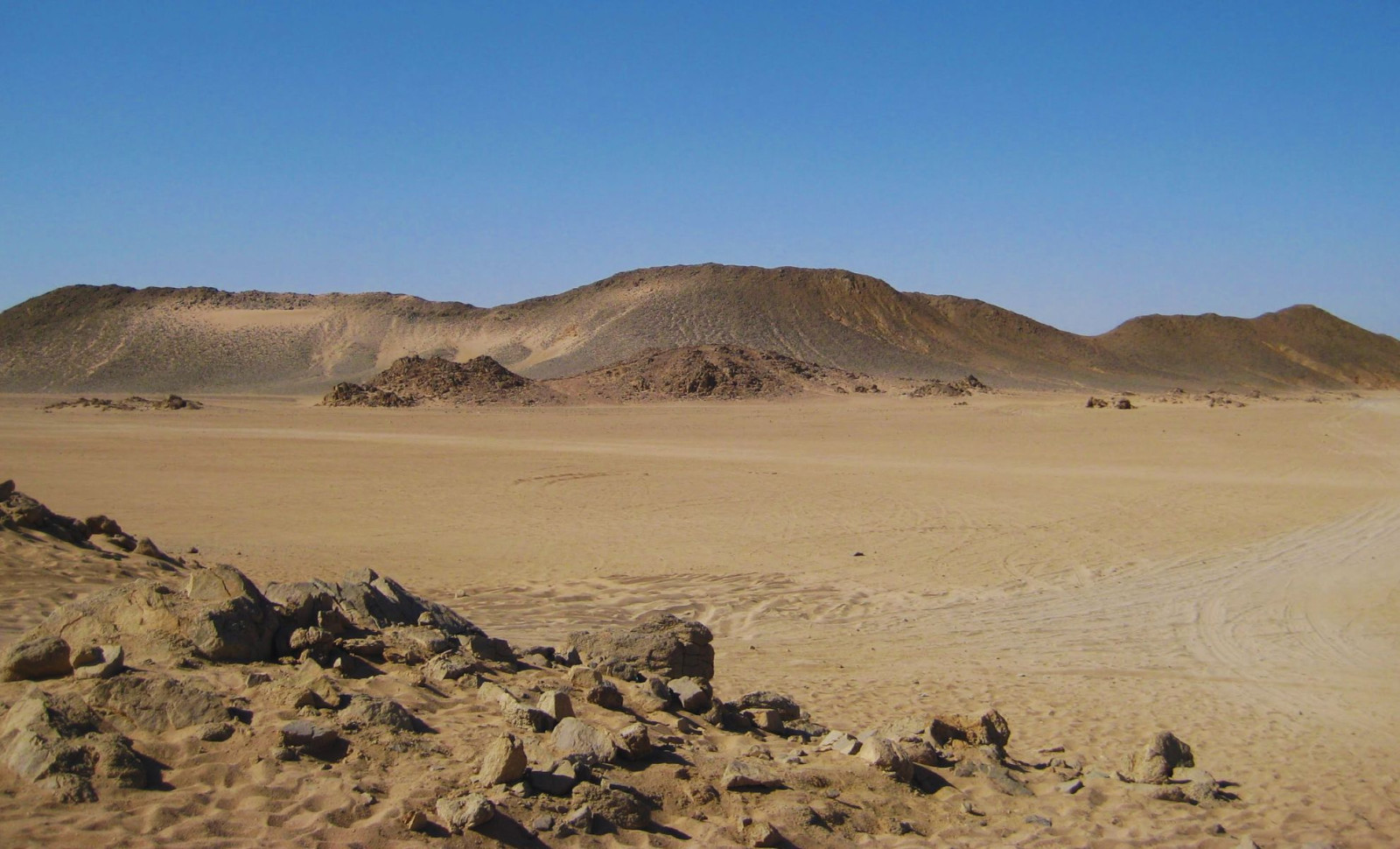
The specimen was located in Egypt’s Wadi Moghra area and dates back around 17 to 18 million years. Current research detailed in Science suggests that Masripithecus moghraensis might be among the closest known ancestors to the lineage that gave rise to modern apes.
“The vast majority of early hominoid fossil hunting has taken place in East Africa, where a rich collection of fossils and lineages has been uncovered,” explained the research team.
This marks a significant departure from the conventional emphasis on East Africa. As noted by David Alba and Júlia Arias-Martorell :
“[The] findings […] confirm that paleontologists might have been looking for crown-hominoid ancestors in the wrong place.”

Determining Its Evolutionary Role
Led by Shorouq Al-Ashqar , scientists applied a Bayesian tip-dating technique that merges anatomical data with fossil age to establish connections among species. The team explained:
“Other regions in Africa have been less explored for various reasons, inspiring the question of whether a focus on East Africa has shaped opinions about where early hominoid evolution occurred.”
The analysis reveals that Masripithecus belongs to the stem hominoids group, which is closely related to the forebears of all current apes. It existed at a period when Afro-Arabia was beginning to connect with Eurasia, facilitating intercontinental species dispersion.
Expanding the Geographic Scope of Ape Evolution
This finding indicates that modern apes’ evolutionary roots may not be confined to a single location. Instead, regions including northern Afro-Arabia, the Levant, and the eastern Mediterranean might all have played a role.
The study also highlights that fossil records from this timeframe remain scarce, making it difficult to draw definitive conclusions. Nevertheless, discoveries like this emphasize the potential for significant discoveries in underexplored areas.
- Categories:
- Science








0 comments
Sign in to Comment