
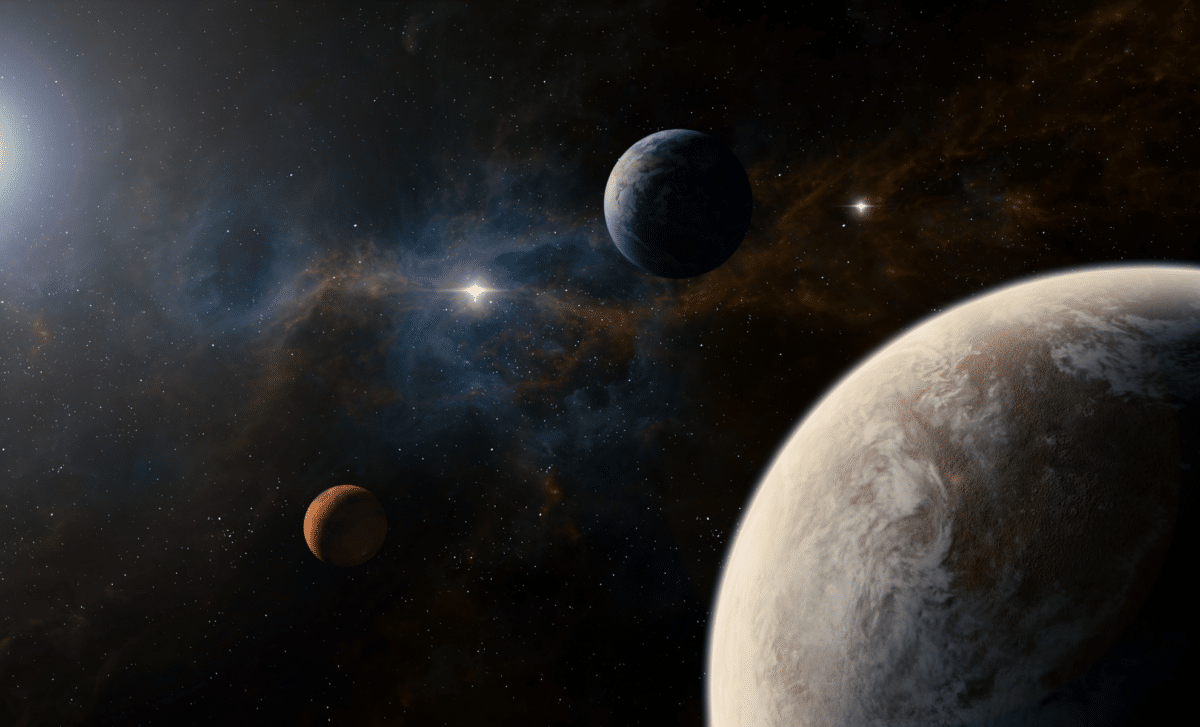
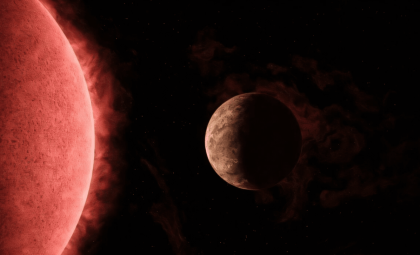
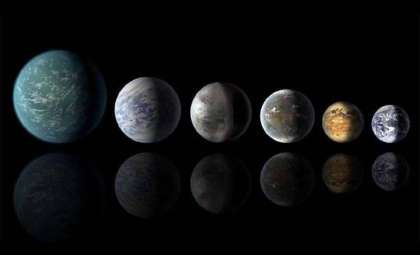
Scientists analyzing data from NASA’s TESS satellite have identified more than 100 previously undetected exoplanets, shedding new light on distant planetary systems and enhancing our understanding of the cosmos. This breakthrough highlights TESS’s critical contribution to expanding our celestial knowledge by revealing planets that had remained obscured until now.
Transforming Exoplanet Detection with Advanced AI
NASA’s Transiting Exoplanet Survey Satellite (TESS) has amassed extensive data on over 2 million stars, offering promising but complex clues about planets beyond our solar system. Until recently, many planetary signals were lost amid the vast volume of observations, despite TESS having confirmed roughly 700 exoplanets. To tackle this, researchers at the University of Warwick developed RAVEN, an innovative software tool designed to analyze the data with unprecedented accuracy.
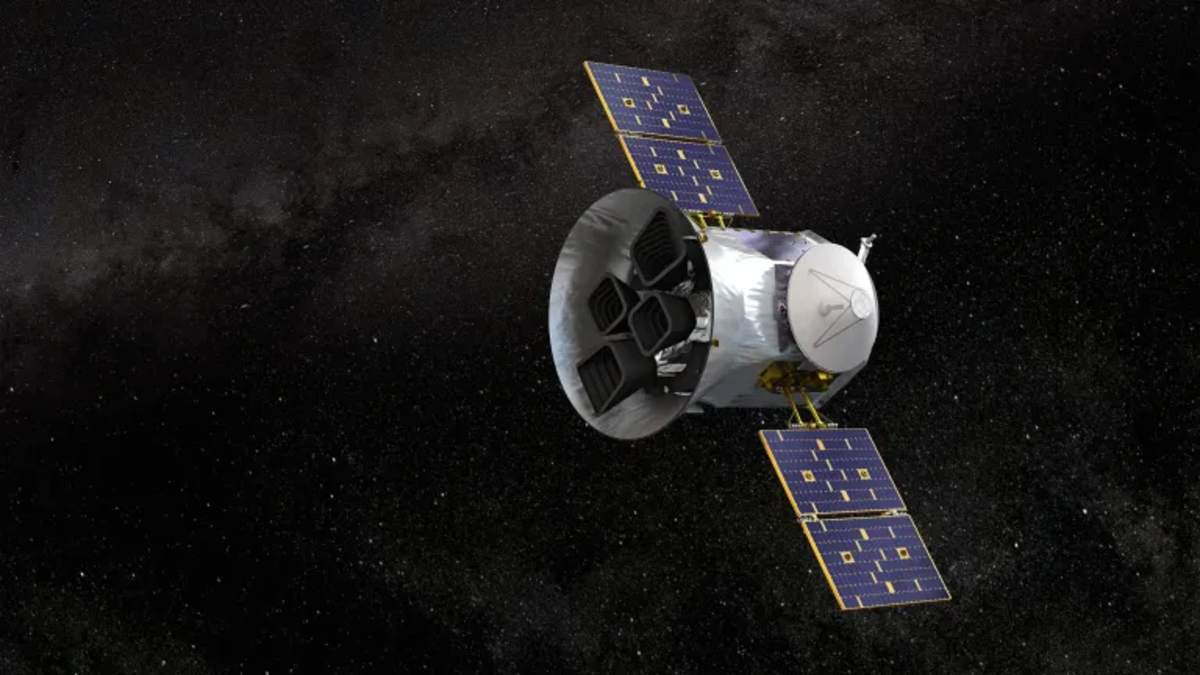
By employing RAVEN, the team successfully validated 118 new exoplanets from previously uncertain candidates. Dr. Marina Lafarga Magro, a key member of the study, expressed enthusiasm about the results:

“Using our newly developed RAVEN pipeline, we were able to validate 118 new planets, and over 2,000 high-quality planet candidates, nearly 1,000 of them entirely new.”
This tool is set to transform how astronomers analyze exoplanet data, significantly speeding up the discovery process and improving accuracy.
Illuminating the Enigma of the Neptunian Desert
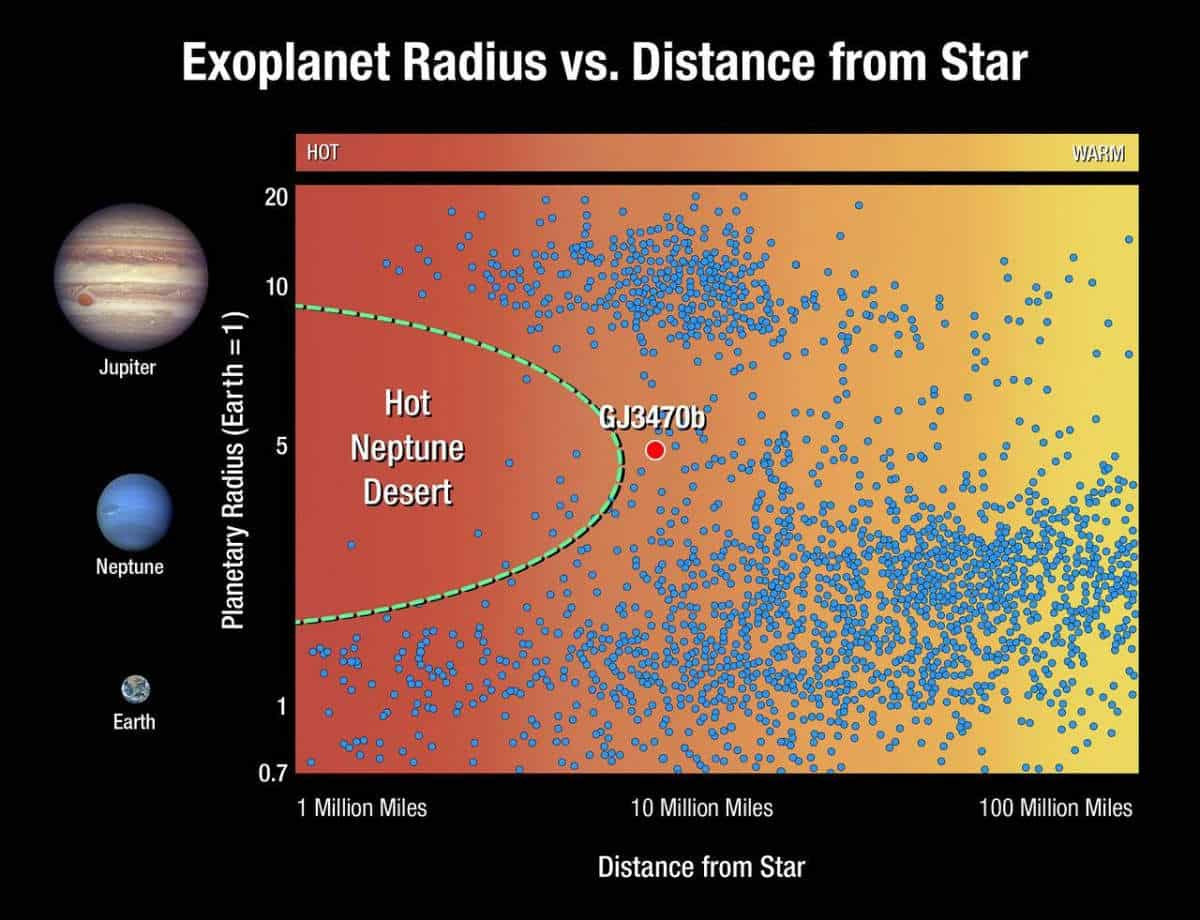
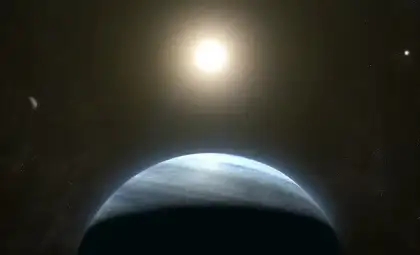
One of the standout revelations from this research concerns the so-called “Neptunian desert,” a curious region in space where Neptune-sized planets are unexpectedly scarce. Although these planets were presumed to be common in specific orbital zones, observations had shown a puzzling void.
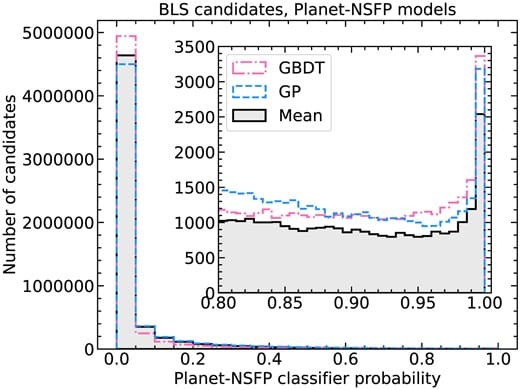
The newly analyzed data now offers a precise quantification of just how rare these planets are. Dr. Kaiming Cui highlighted this milestone, stating, “For the first time, we can put a precise number on just how empty this desert is.” The data indicates a significant shortage of Neptune-like planets orbiting stars similar to the Sun, introducing new complexities to planet formation models.
Though the boundaries of the Neptunian desert were theorized in a 2016 study, this recent publication in the Monthly Notices of the Royal Astronomical Society refines and confirms the desert’s parameters by leveraging validated planets from the TESS dataset, advancing our map of planetary distributions in the galaxy.
Discovering Ultra-Short Orbit Worlds and Compact Planetary Systems
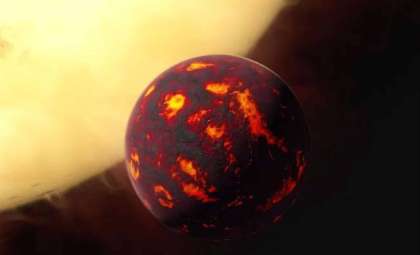
The expanded detections have also unveiled fascinating ultra-short-period planets that orbit their stars in less than a day. Such close-in planets defy conventional planet formation theories due to their extreme proximity and the intense stellar radiation they endure.
Additionally, researchers have identified densely packed multi-planet systems where planets orbit in close quarters. These compact arrangements offer invaluable opportunities to study gravitational interactions and the evolutionary processes governing planetary system formation.
Looking Ahead: Expanding Opportunities with Enhanced Data and Tools
As the TESS mission progresses, the validated exoplanet discoveries are accessible to the worldwide scientific community. This open data fosters new research using advanced methods to investigate planetary masses, atmospheric compositions, and habitability prospects. Upcoming missions like the European Space Agency’s PLATO will utilize this refined catalog to target exoplanets of greatest interest with greater efficiency.
Armed with this expanded and cleaner dataset, astronomers are better positioned than ever to address fundamental questions in planetary science, such as the stability of densely packed systems and the reasons behind deserts within orbital regions. Continued exploration promises to unlock deeper insights into the workings of planetary systems across the universe.
- Categories:
- Astronomy




0 comments
Sign in to Comment