
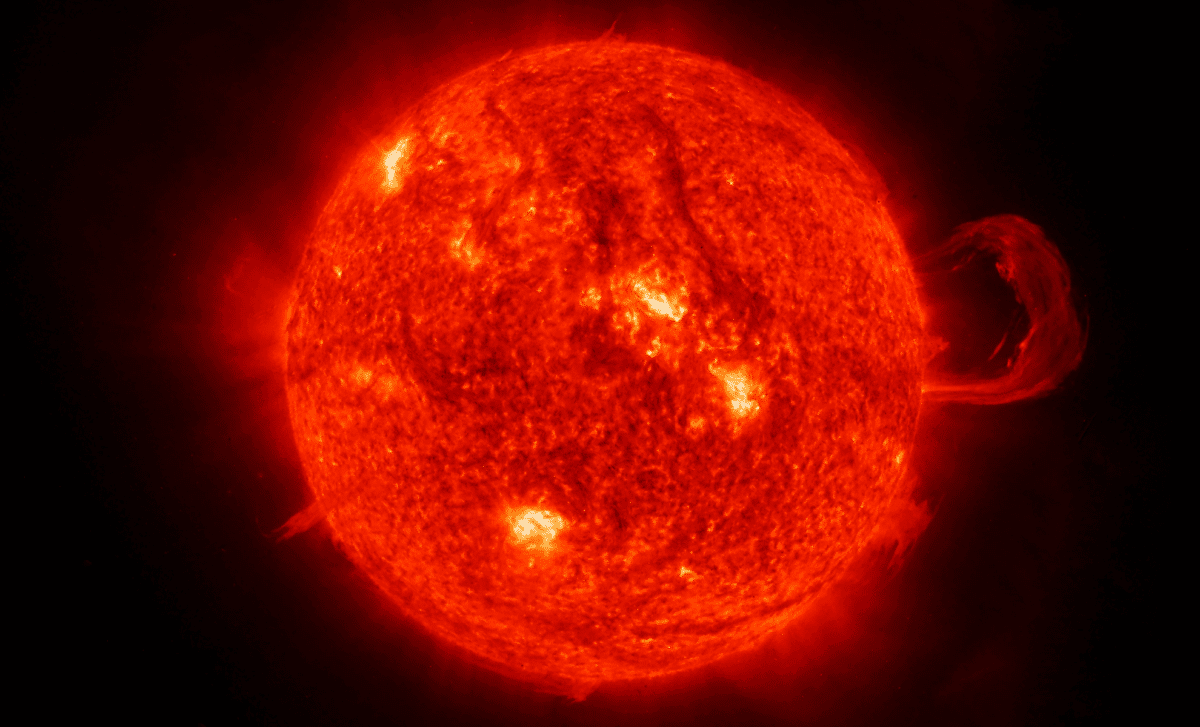
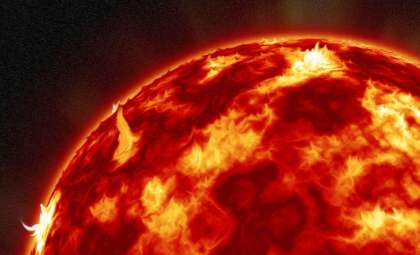
Solar storms, including coronal mass ejections (CMEs), pose significant threats to satellites, power networks, and other crucial systems. The newly developed AI model PINNBARDS, created by researchers at Southwest Research Institute (SwRI) and NSF-NCAR, enables prediction of these solar events weeks before they occur by linking surface solar data with the Sun’s underlying magnetic behavior. This advancement offers vital lead time for safeguarding Earth's technological assets and space missions.
Decoding Solar Active Regions and Their Complexity
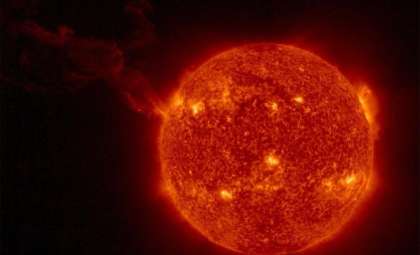
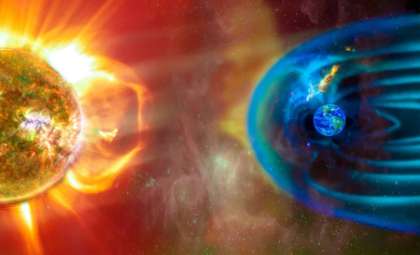
Predicting the emergence of major solar active regions (ARs), which spawn intense flares, has long challenged scientists due to the intricate nature of the Sun’s magnetic fields. These active zones arise from tangled magnetic structures beneath the solar surface and can unleash explosive phenomena such as solar flares and coronal mass ejections (CMEs). Such events send high-energy particles and radiation toward Earth, potentially disrupting communication, navigation, and electrical systems.
Dr. Subhamoy Chatterjee, an early-career scientist at SwRI and co-author of the study, noted, “Pinpointing when and where large flare-generating active regions form has been a longstanding challenge in heliophysics.” Traditional forecasting methods only offer short-term warnings, often measured in hours, limiting the ability to take proactive measures. The Sun’s turbulent magnetic dynamics compound this difficulty, making long-range predictions elusive until now.

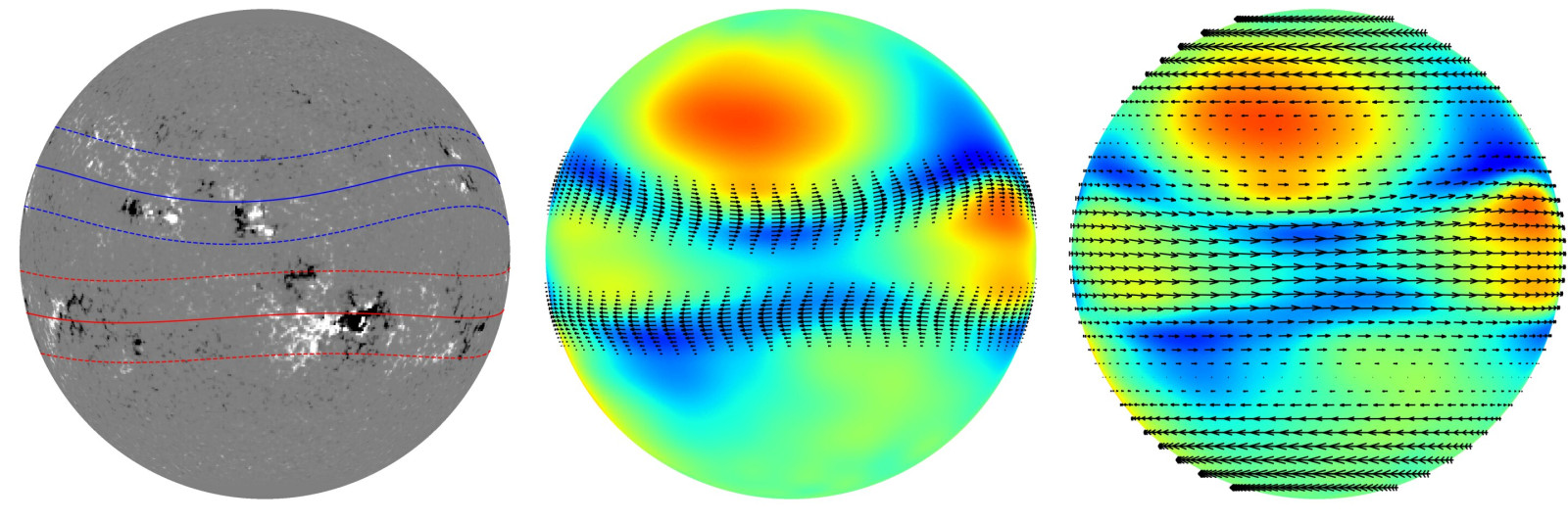
PINNBARDS: Merging Physics and AI for Earlier Solar Event Detection
The team introduced PINNBARDS, short for Physics-Informed Neural Network-Based AR Distribution Simulator, representing a novel solar forecasting methodology. Unlike conventional tools that analyze small-scale magnetic indicators, PINNBARDS integrates surface solar region data with the Sun’s subsurface magnetic field dynamics. Utilizing data from the Solar Dynamics Observatory and the Helioseismic and Magnetic Imager (HMI), it infers deeper magnetic states beneath the Sun’s photosphere. This approach vastly improves the lead time for anticipating solar eruptions, offering essential warning periods for infrastructure protection.
“The reconstructed subsurface states from PINNBARDS provide initial conditions for forward simulations of solar magnetic evolution, opening the door to predicting where and when large, flare-producing active regions are likely to emerge weeks in advance,” explained Dr. Mausumi Dikpati, a senior scientist from NSF-NCAR who led the team.
The major advantage of PINNBARDS lies in its extension of forecasting capabilities from a matter of hours to several weeks, allowing authorities and industries more time to respond effectively to impending solar activity.
Advancing Space Weather Preparedness
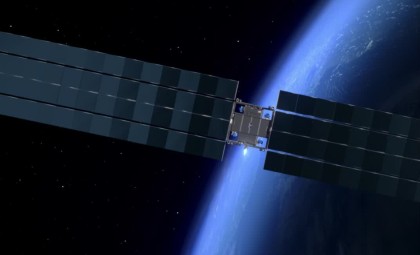
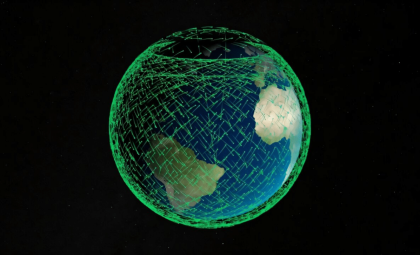
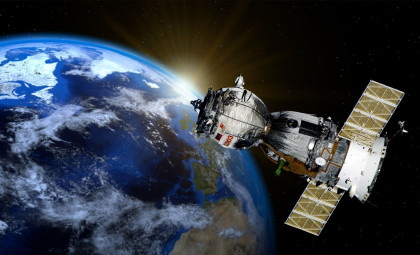
Long-range warnings of solar flares and CMEs carry significant benefits for protecting crucial assets like orbiting satellites, power infrastructure, and crewed spacecraft. Space weather events can wreak havoc on communications, navigation, and power delivery, with intense CMEs capable of widespread blackouts. The new AI-driven system aims to furnish global stakeholders with enhanced preparation time, reducing vulnerabilities.
Moreover, this innovation plays an important role in the era of expanded human space exploration. As missions venture farther, especially to destinations like Mars, protecting astronauts from harmful solar radiation becomes vital. Early detection of solar storms empowers mission planners to implement shielding strategies or reroute spacecraft trajectories, mitigating radiation exposure risks during long-duration flights.
Transforming Solar Science and Forecasting Horizons
Published in the Astrophysical Journal, this breakthrough combines next-generation AI with established solar observation techniques to establish a holistic framework for long-term space weather predictions. By reconstructing the Sun’s magnetic environment beneath its surface, researchers have unlocked new capabilities to simulate and forecast the formation of active solar regions with improved precision.
Looking ahead, this technology promises to extend prediction timelines further and refine models to forecast specific solar events. The developers anticipate its integration into operational forecasting systems soon, bolstering efforts to shield critical infrastructure and safeguard astronauts in the expanding frontier of space exploration.
- Categories:
- Space




0 comments
Sign in to Comment