
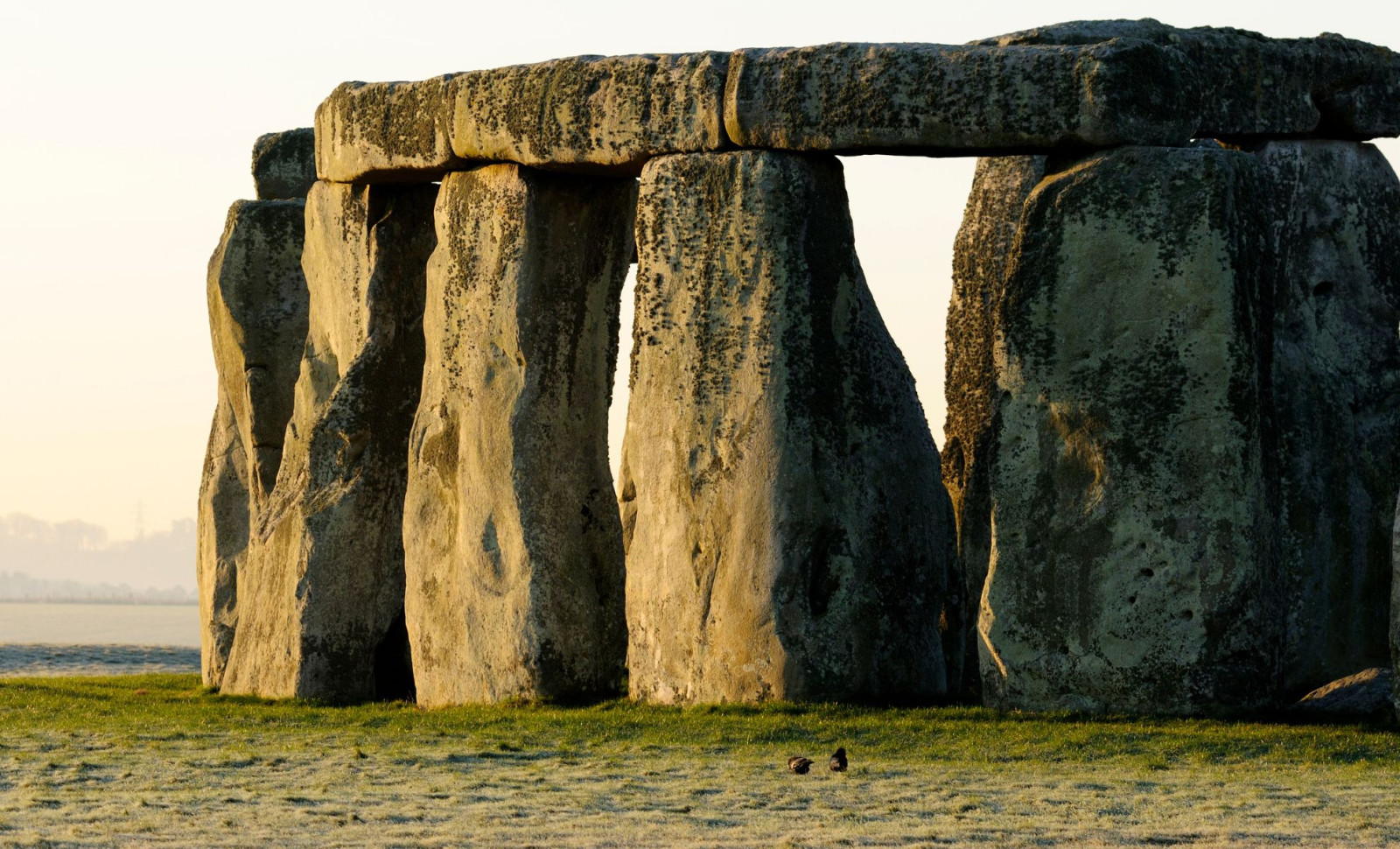
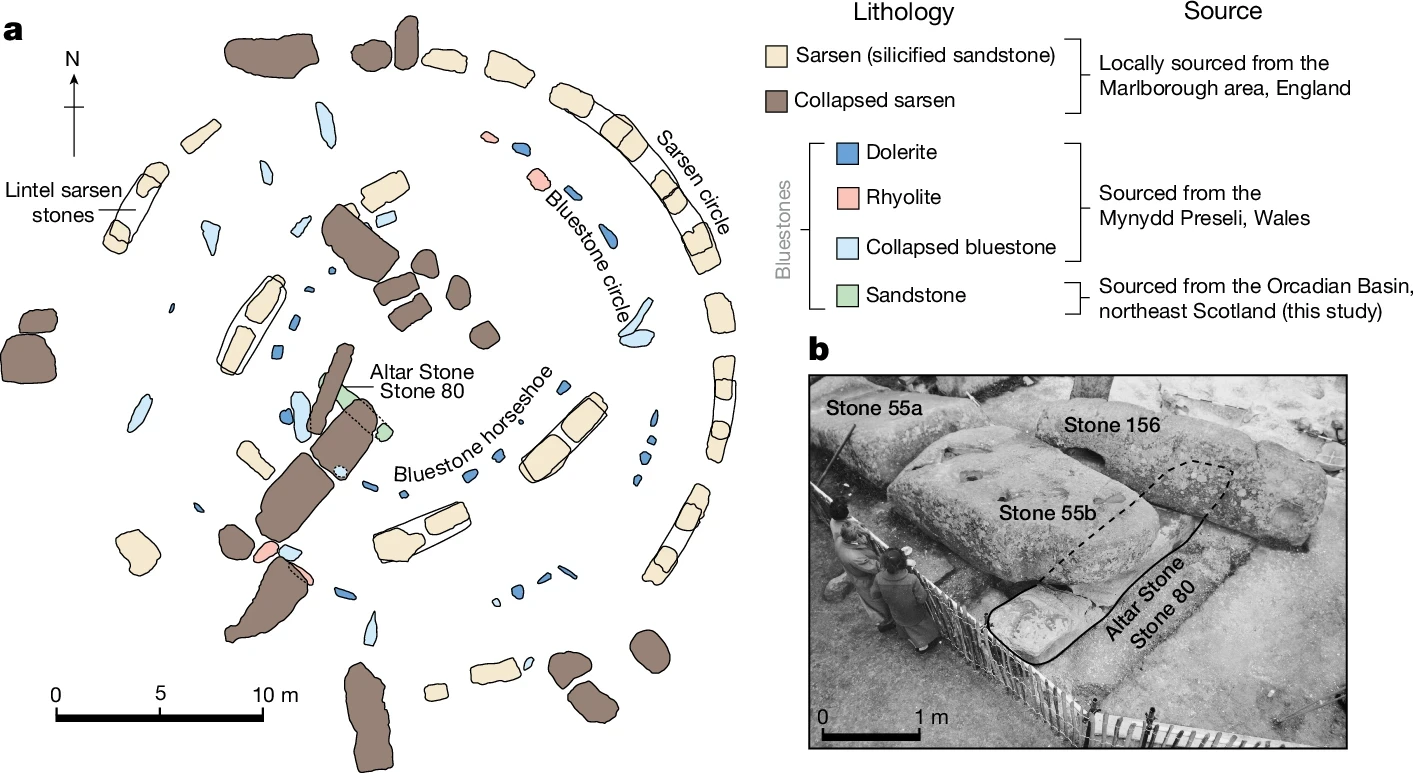
The Altar Stone, the largest non-sarsen block at Stonehenge, may have originated far beyond the previously assumed regions. New research locates its source in northeast Scotland rather than Wales, overturning long-held geological beliefs about this six-ton slab of greenish Old Red Sandstone.
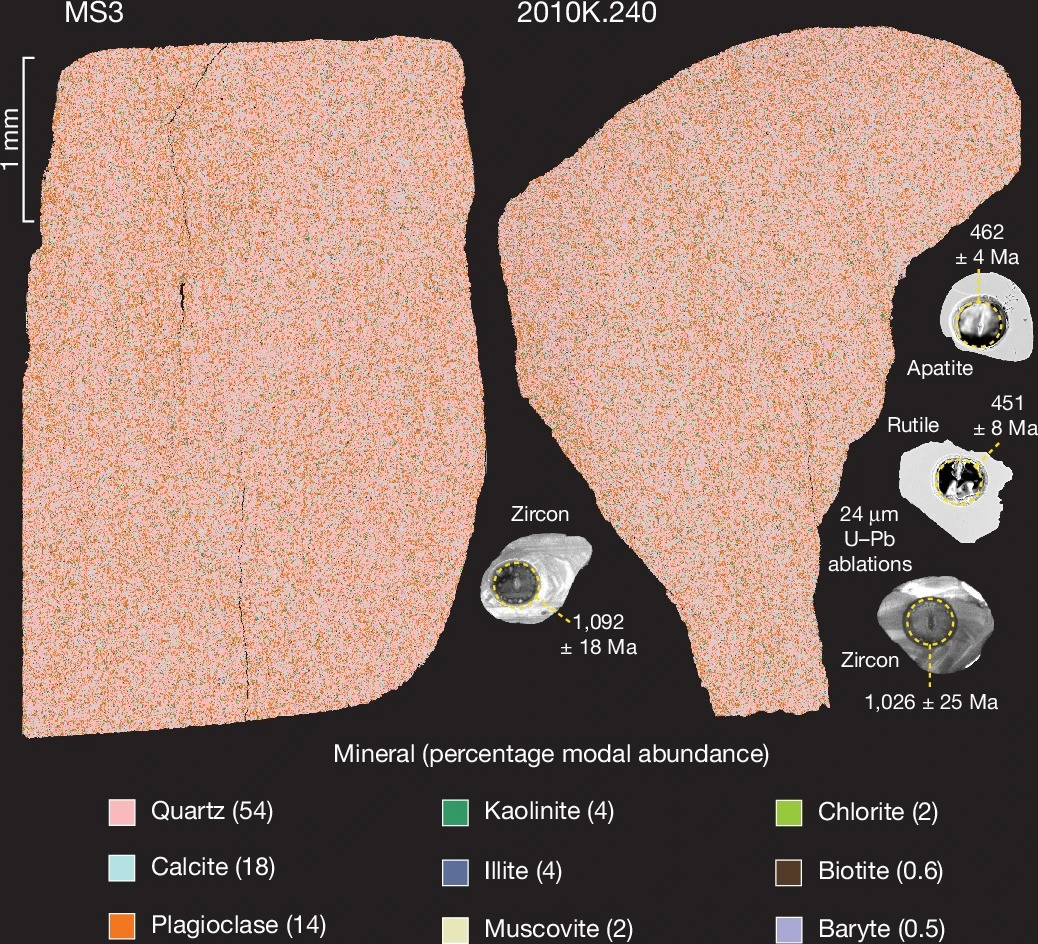
In a study spearheaded by Curtin University and published in Nature, scientists reevaluated the rock’s provenance by analyzing the age and elemental composition of mineral grains within the stone fragments, which crafted a precise geochemical signature and led to a new understanding of the stone’s geographic roots.
Tracing a Mineral History Spanning Billions of Years
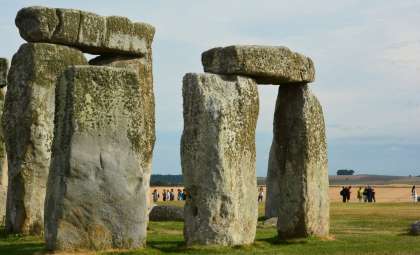
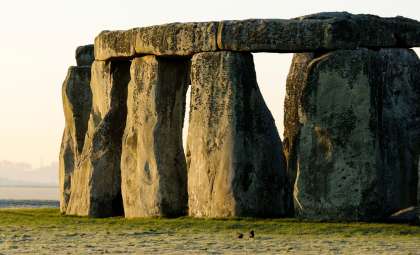
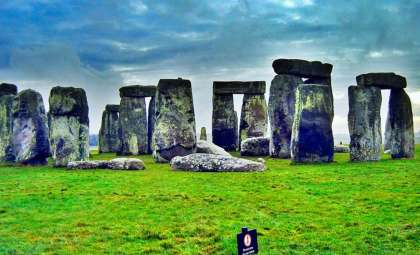
The Altar Stone, measuring approximately 16 feet long and 3 feet wide, is situated beneath two fallen stones in Stonehenge’s inner circle. Scientists focused on the embedded minerals’ ages and chemical traits to determine its provenance.

Lead author Anthony Clarke, a Ph.D. candidate in Curtin’s Timescales of Mineral Systems Group, explained:
“Our analysis found specific mineral grains in the Altar Stone are mostly between 1,000 to 2,000 million years old, while other minerals are around 450 million years old.”
This unique composition creates what Clarke identified as a distinctive chemical fingerprint. Their results, detailed in Nature, align this signature with rocks found in the Orcadian Basin, clearly separating it from Welsh geological formations.
Revisiting the Welsh Origin Hypothesis
Earlier geological research pointed to the Brecon Beacons in Wales as the stone’s origin, supporting the notion that many of Stonehenge’s external materials sourced from that region. This new evidence directly disputes that assumption.
Richard Bevins, a co-author and professor at Aberystwyth University, noted that the chemical profile does not match Welsh stone sources. The identification of a Scottish origin drives efforts to pinpoint the exact quarry in northeast Scotland.
This reinterpretation affects more than geography; it reshapes our understanding of how Stonehenge was constructed around 2,600 BC.
Moving a Massive Stone Across 750 Kilometers
If the Altar Stone originated in Scotland, it likely traveled over 750 kilometers to reach southern England. Transporting a six-ton block across such a distance during the Neolithic era raises important questions.
Chris Kirkland, a professor at Curtin University and co-author, emphasizes the difficulty of overland movement of such massive stone. He suggested:
“This implies long-distance trade networks and a higher level of societal organization than is widely understood to have existed during the Neolithic period in Britain.”
Previously accepted narratives about the monument’s construction are now challenged by this discovery, highlighting potential expansive cultural interactions among Neolithic communities.
- Categories:
- Science






0 comments
Sign in to Comment