
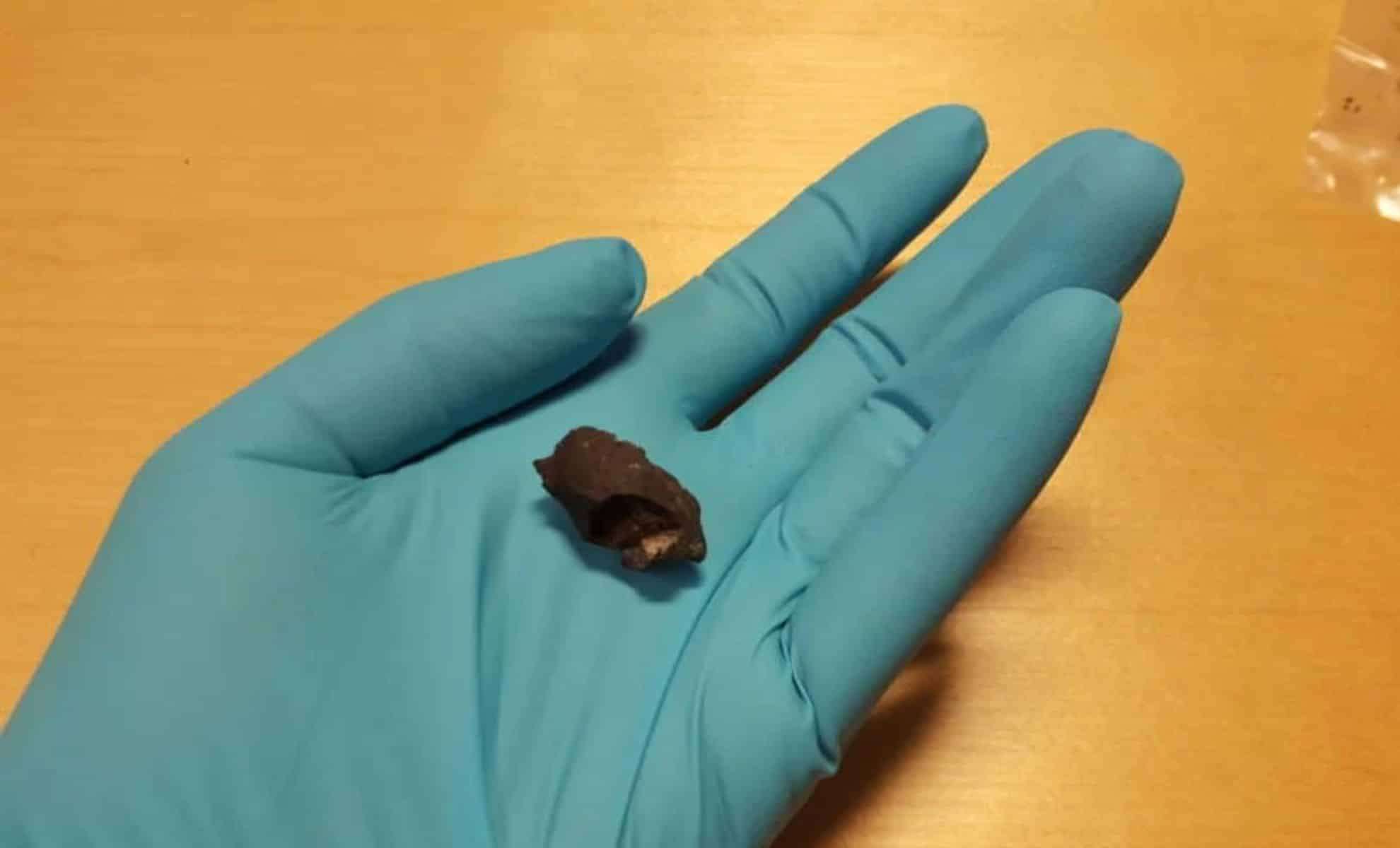
An artifact of chewed birch bark tar discovered in western Sweden has provided scientists with unprecedented access to prehistoric human genetics, revealing the oldest human DNA found in this area. Excavated from the Huseby Klev site during the early 1990s, this 10,000-year-old relic was initially believed to be simply an example of Stone Age adhesive material.
However, recent advancements in DNA sequencing have shown that this small piece of ancient gum was once chewed by three people — two females and one male — offering genetic information previously thought unreachable.
Unique Genetic Evidence from Early Scandinavia
During the Mesolithic period, birch bark tar served extensively as a tool-binding glue for hunting and gathering communities across Europe. Yet, its use as a chewable substance might have been equally widespread. Scientists now suspect that prehistoric individuals chewed the tar while resting or crafting, unintentionally preserving their DNA within it.

Human remains from this timeframe in Scandinavia are exceptionally scarce, and when found, their DNA is typically degraded. The research published in Communications Biology details how a team at Stockholm University successfully retrieved genetic material from the bark using cutting-edge techniques. As lead scientist Anders Götherström stated, “We seek DNA wherever possible because our genetic makeup holds keys to understanding our past.”
Reconstructing Early Human Migration
Genetic analysis of the chewed birch tar revealed connections between these three individuals and larger Ice Age European populations. Interestingly, tools excavated at Huseby Klev appear to derive from Russian origins, providing archaeological evidence for dual migration pathways into Scandinavia via the East European Plain and southern Europe.
This supports existing theories about multiple ancestral influxes into the area. Natalija Kashuba from Oslo’s Museum of Cultural History expressed admiration for the careful excavation process preserving such delicate material. She called the discovery “almost forensic,” highlighting how DNA was successfully sequenced from the “mastic lumps” that had remained discarded for millennia.
Revealing Prehistoric Life Through Chewed Bark
In addition to migration insights, this ancient chewable substance holds promise for shedding light on the daily lives of early humans, including their diets, health conditions, and social behavior. Per Persson of Oslo’s Museum of Cultural History commented, “DNA in ancient chewing gums offers vast potential not only to trace past human movements but also to explore their social interactions, diseases, and nutrition.”
While birch bark tar’s function as an adhesive is well-documented, its chewing-related preservation of genetic material represents a breakthrough. The bark pieces’ clear tooth impressions capture a fleeting moment from about 10,000 years ago, providing a rare molecular window into the lives of Scandinavia’s earliest inhabitants.
- Categories:
- News












0 comments
Sign in to Comment