
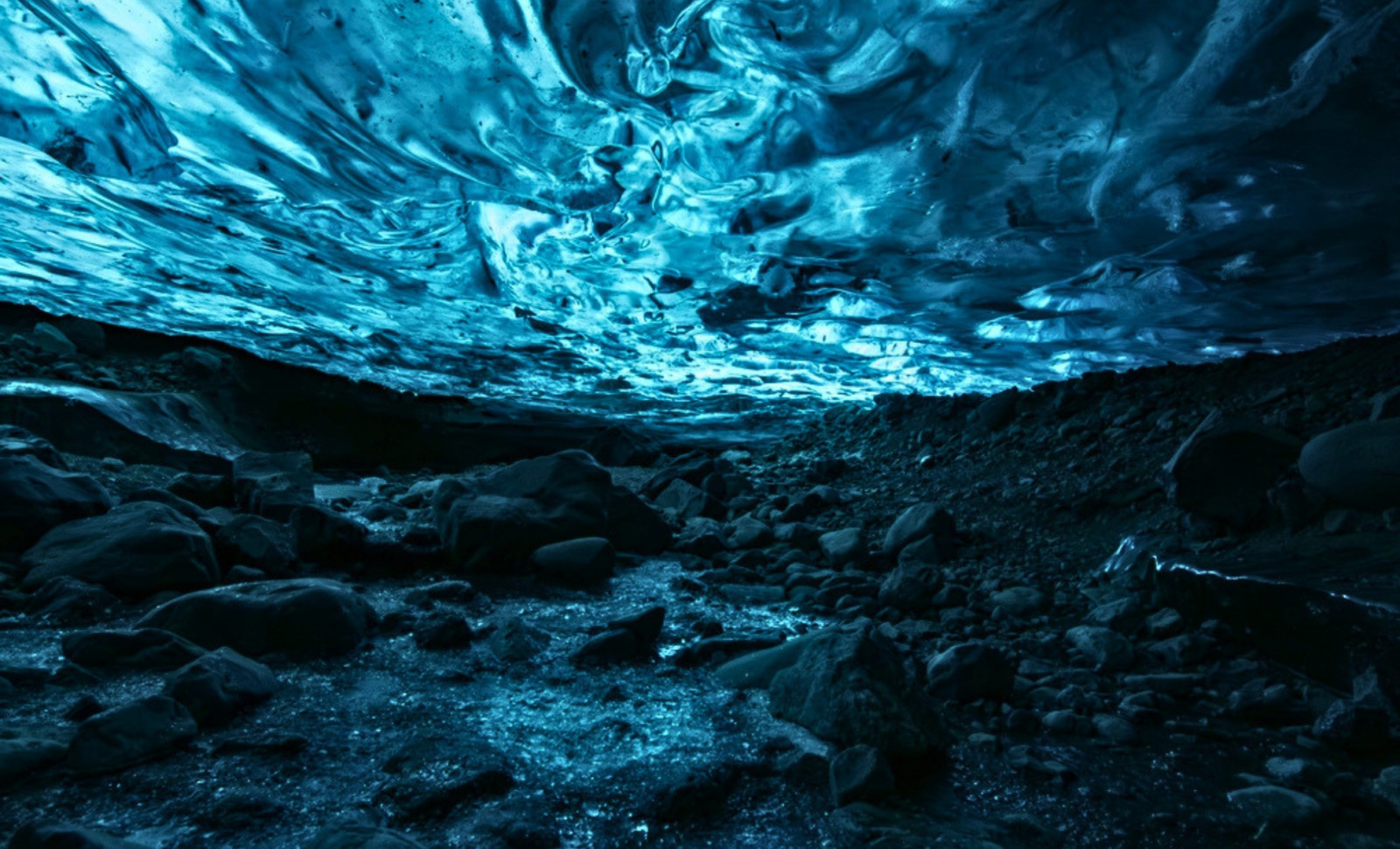
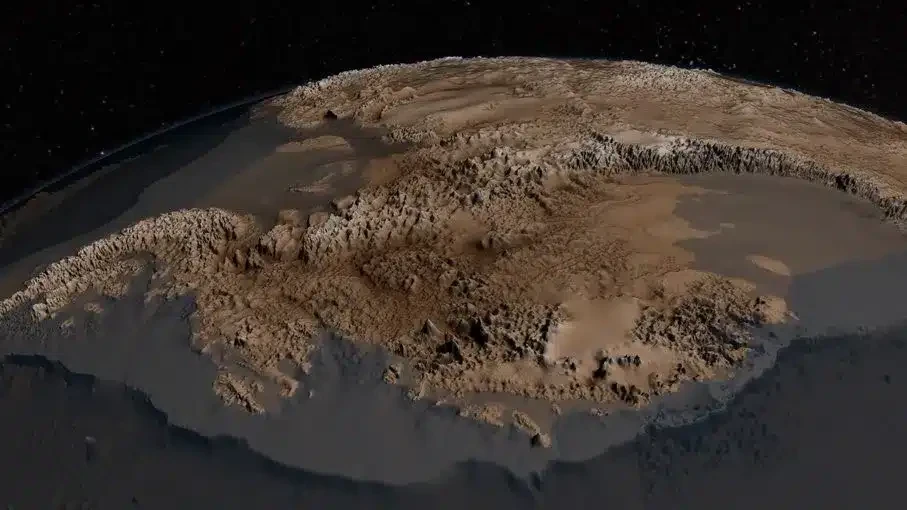
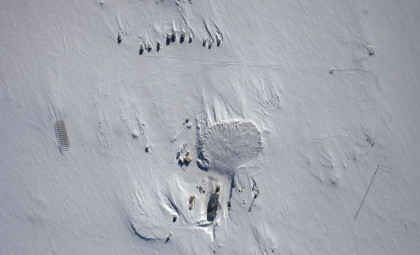
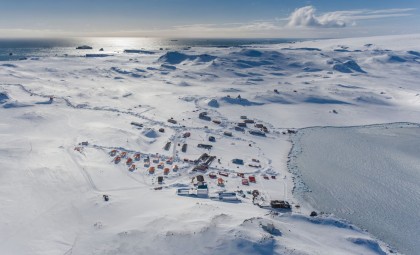
Buried nearly four kilometres under the East Antarctic ice sheet lies Lake Vostok, a massive freshwater body shrouded in perpetual darkness beneath an immense ice cover. According to Live Science, the lake stretches about 150 miles in length and 30 miles across, positioned close to Russia’s Vostok research station. Its immense size and isolation make it a key analog for studying water trapped beneath ice layers.
A recent report on Lake Vostok’s environment highlights that it has remained severed from sunlight and direct atmospheric contact for hundreds of thousands to possibly millions of years. This presents an intriguing model for astrobiologists exploring whether life could sustain itself in subglacial water without solar energy. Similar questions arise about the oceans hidden beneath the icy crusts of Jupiter’s moon Europa and Saturn’s moon Enceladus.
Though different in composition — Vostok contains freshwater beneath glacial ice, whereas Europa and Enceladus likely shelter saltwater oceans under icy shells — all share a major challenge: potential life must rely on chemical energy sources rather than photosynthesis to survive in total darkness.

A Concealed Antarctic Lake Cut Off From Sunlight
Once exposed at the surface, Lake Vostok has been hidden beneath ice for at least 15 million years, with some estimates extending to over 20 million years. When Russian researchers began operating at Vostok Station in 1957, the lake’s existence was still unknown.
The lake was initially discovered via aerial observation in the 1960s, when a Russian geographer and pilot noticed an unusually flat expanse of ice above it. Decades later in 1993, satellite radar technology confirmed the lake’s presence by penetrating the ice sheet, establishing that liquid water could persist so far beneath Antarctic ice.
Despite water temperatures averaging around -3°C (27°F), the immense pressure of the overlying ice suppresses freezing, keeping the lake liquid. This combination of extreme pressure, near-total darkness, isolation, and cold creates a unique subglacial environment for scientific examination.
Complications in Confirming Life Due to Contamination
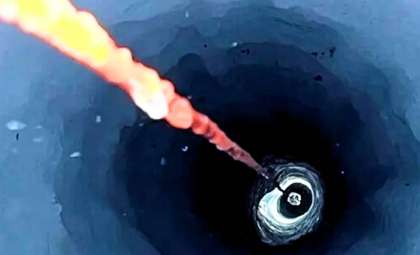
Determining whether microbes truly inhabit Lake Vostok remains one of the most difficult aspects in its study. In 2012, Russian scientists reached the lake’s surface by drilling through the ice, but the borehole had been maintained with kerosene and Freon before lake water surged upward and mixed with these substances.
This circumstance complicates biological findings, as surface bacteria could have entered the system during drilling. It underlines the critical importance of sterile sampling methods when investigating isolated aquatic environments. Convincing evidence of life can only come from samples free of contamination by drilling fluids, equipment, or external microbes.
A 2013 study analyzing accretion ice from Lake Vostok detected genetic material belonging to thousands of organisms. Similarly, Live Science reports the discovery of DNA from over 3,500 species in the frozen accretion layer above the lake water. However, these findings do not equate to uncontaminated samples of the lake water itself.
Other investigations yielded minimal biological evidence, and Russian microbiologist Sergey Bulat has warned that even a single purported organism could be the result of contamination. While this challenge complicates interpretations at Vostok, it offers a valuable lesson for future missions to alien oceans, emphasizing the necessity to distinguish indigenous life from introduced contaminants.
A Cleaner Approach at Lake Whillans
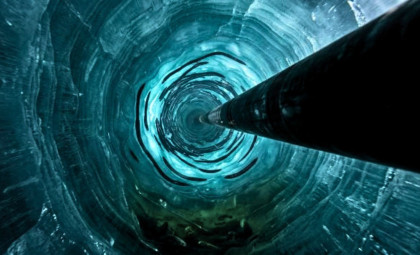
Following the Vostok breakthrough, another Antarctic lake provided a more controlled example. In January 2013, the U.S. WISSARD project successfully penetrated Subglacial Lake Whillans beneath approximately 800 meters of ice in West Antarctica using a clean hot-water drilling method. An Annals of Glaciology report on the mission details the deployment of various scientific instruments through the borehole over a three-day period.
Instruments included a downhole camera, sensors measuring conductivity, temperature and depth, water samplers, filtration systems, sediment corers, geothermal probes, and geophysical arrays. Though shallower than Vostok, Whillans’ significance lies in its meticulous contamination controls and comprehensive sampling.
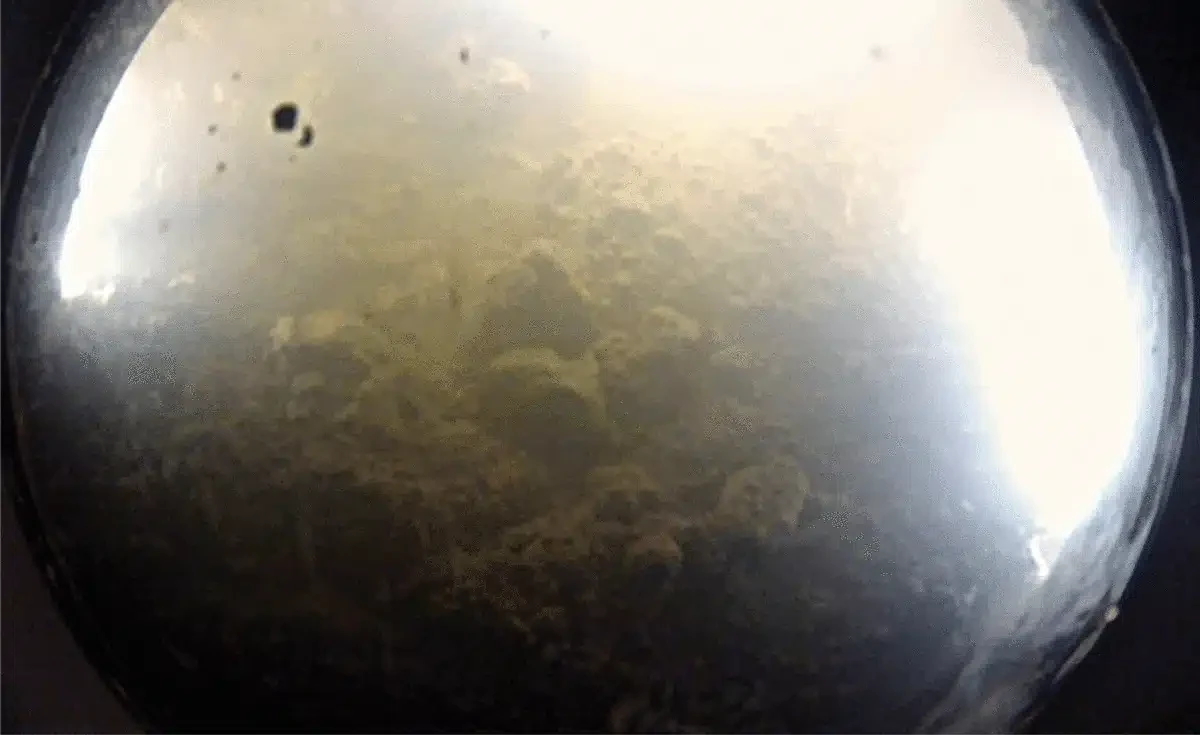
The WISSARD findings confirmed the presence of a subglacial water body formerly indicated by satellite and geophysical data. This water was brackish—less salty than seawater, yet saltier than pure meltwater. Subsequent research revealed a thriving microbial community powered by chemical energy in permanent darkness.
Together, Lakes Vostok and Whillans illustrate dual aspects of subglacial research. While Vostok offers a window into a long-sealed environment potentially preserving ancient clues, Whillans demonstrates the necessity of stringent cleanliness protocols to obtain uncontaminated samples and reliable evidence of life.
The Europa Clipper Mission: Exploring an Icy Ocean Beyond Earth
NASA’s mission to Europa highlights the relevance of Antarctica’s lessons. In a recent article about potential water plumes on Europa, NASA describes Europa as an ocean world covered by ice with conditions that might support life. It also notes that Saturn’s moon Enceladus emits plumes composed of vapor, ice particles, and organic compounds from its southern pole.
These icy moons are warmed internally through gravitational interactions causing their icy crusts to flex, generating heat that keeps their subsurface oceans from freezing without sunlight. This internal heating mechanism makes Europa a prime candidate in the search for extraterrestrial habitability, while Antarctic lakes provide critical analogs and cautionary insights.
For Lake Vostok, Lake Whillans, and Europa alike, the core challenge is not only confirming the presence of liquid water, but ensuring that the water's natural qualities remain unaltered during sampling. Vostok’s experience reveals how contamination can compromise sample integrity, emphasizing the importance of pristine collection methods in the ongoing hunt for life in sealed aquatic environments.
- Categories:
- Science



0 comments
Sign in to Comment