
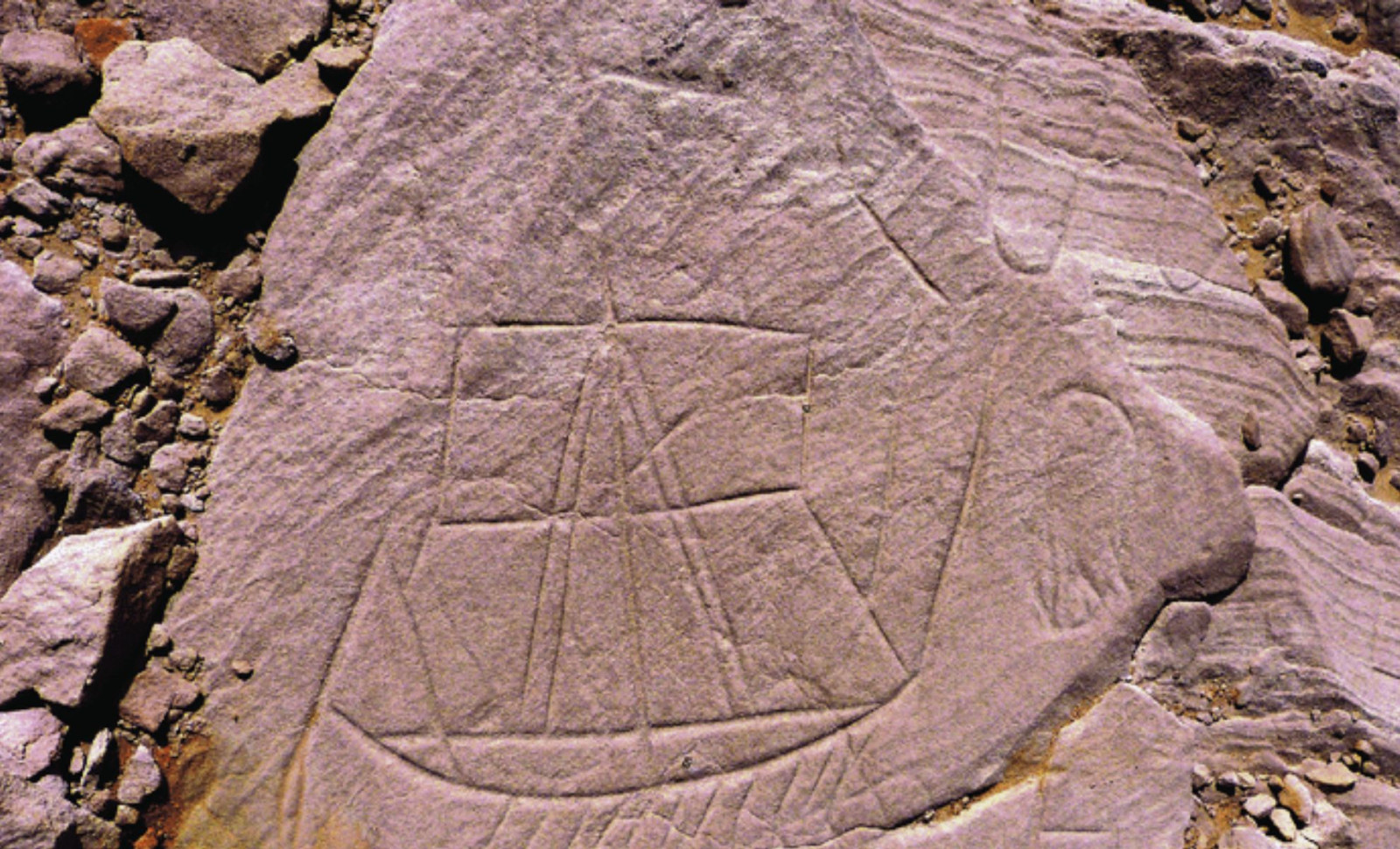
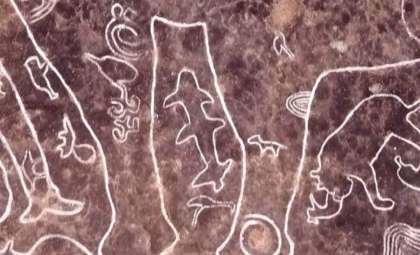
Egypt’s Western Desert hosts an extensive array of ancient petroglyphs that are increasingly threatened by climate change and human interference. These irreplaceable pieces of rock art, representing one of Africa’s largest collections, are vanishing at an alarming rate, prompting archaeologists to accelerate their efforts to record and protect them.
Situated within the Dakhla Oasis, these carvings chronicle over 7,000 years of human presence and cultural heritage. Despite their historical significance, these artworks remain overshadowed by Egypt’s renowned pharaonic sites.
For over four decades, the Dakhleh Oasis Project, led by Polish archaeologists, has been dedicated to documenting these engravings. Dr. Paweł Polkowski highlights that the quantity of preserved rock art continues to decline steadily.

Desert Petroglyphs Provide a Glimpse into Thousands of Years of History
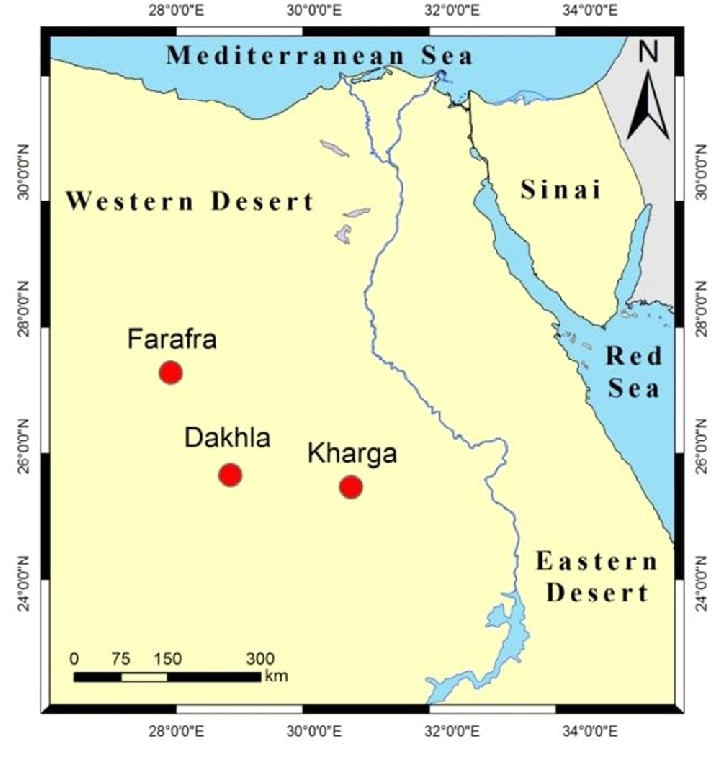
Located roughly 350 kilometers west of the Nile Valley, the Dakhla Oasis has served as a habitat since prehistoric times. It played a crucial role on caravan pathways bridging the Nile with the Sahara and Libya, resulting in a remarkable archaeological legacy.
The Dakhleh Oasis Project has identified approximately 350 distinct rock art sites in the region. Some locations feature a handful of engravings, while others boast hundreds or even over a thousand images etched into stone surfaces.
The earliest pieces date back to roughly 6,000–5,000 BC. Other carvings span through the medieval era and extend into the 20th and 21st centuries. The site also contains inscriptions in hieroglyphics, Coptic, Greek, Graeco-Latin, and Arabic, representing a continuous thread of human activity.
Environmental Factors Accelerate the Loss of Ancient Images
Many carvings appear on Nubian sandstone, a soft rock prone to gradual erosion. According to Dr. Polkowski, certain surfaces have grown so fragile that a mere touch can cause damage.
“There’s a little less of it each year, and certainly less from decade to decade, or century to century,” he said.
In addition to natural weathering, forces like intensifying desert winds, airborne dust, and rising temperatures contribute to the degradation of the rock surfaces. Increasingly frequent and intense rainfall adds further strain, accelerating erosion.
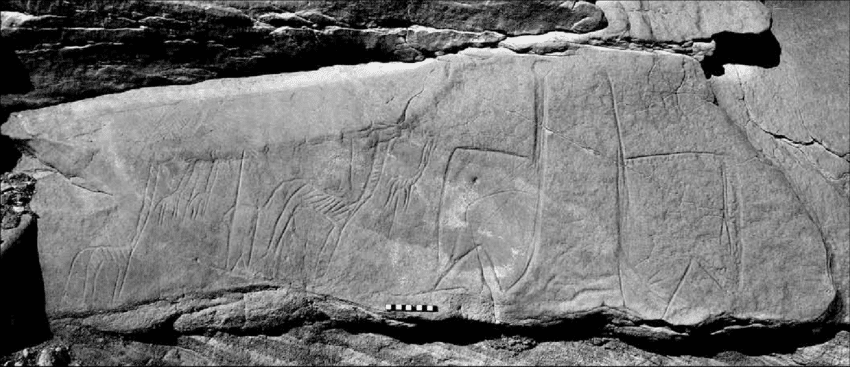
The team notes that historically, rainfalls were infrequent in this region of Egypt, but today’s heavier storms damage fragile desert structures and hasten the wearing away of exposed petroglyphs. Since these natural processes cannot be halted, capturing detailed records of the carvings has become essential.
Contemporary Vandalism Threatens the Integrity of Historic Rock Art
Human impact extends beyond natural erosion. Modern graffiti and new engravings are increasingly overlapping the ancient petroglyphs found throughout the oasis.
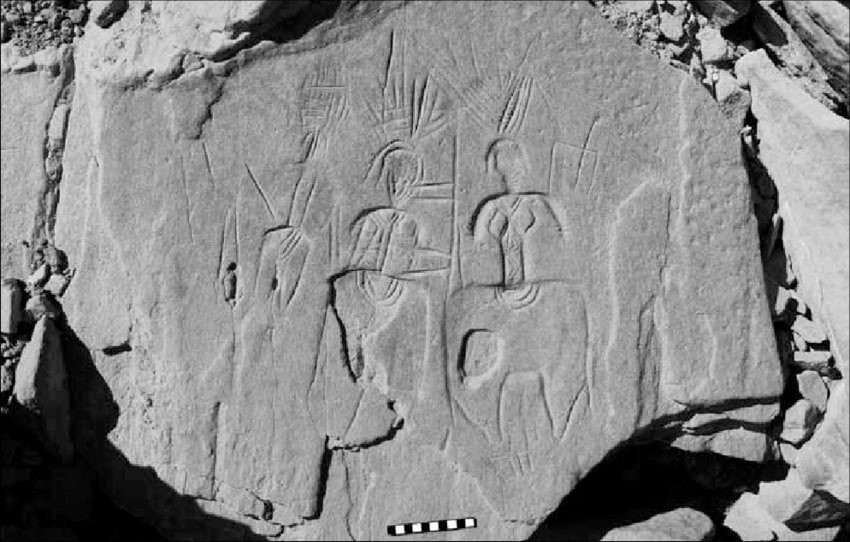
Dr. Polkowski remarks that re-carving over older images is a practice that dates back to the Greco-Roman period, though today such actions are recognized as vandalism and fall under heritage protection laws. Many sites suffer from inadequate safeguards, leaving them vulnerable to further harm.
Recent discoveries include a sandstone carving resembling a smartphone and depictions speculated to portray British soldiers armed and carrying flags during 1916 military activities in the oasis.
Heritage Daily has highlighted that bureaucratic challenges have hindered preservation initiatives. Dr. Polkowski revealed that since 2014, international teams have been unable to revisit Egypt’s Western Desert as required security authorizations have not been granted, although permissions from the Ministry of Tourism and Antiquities were secured. This has delayed documentation efforts for these vulnerable petroglyphs.
- Categories:
- Science








0 comments
Sign in to Comment