
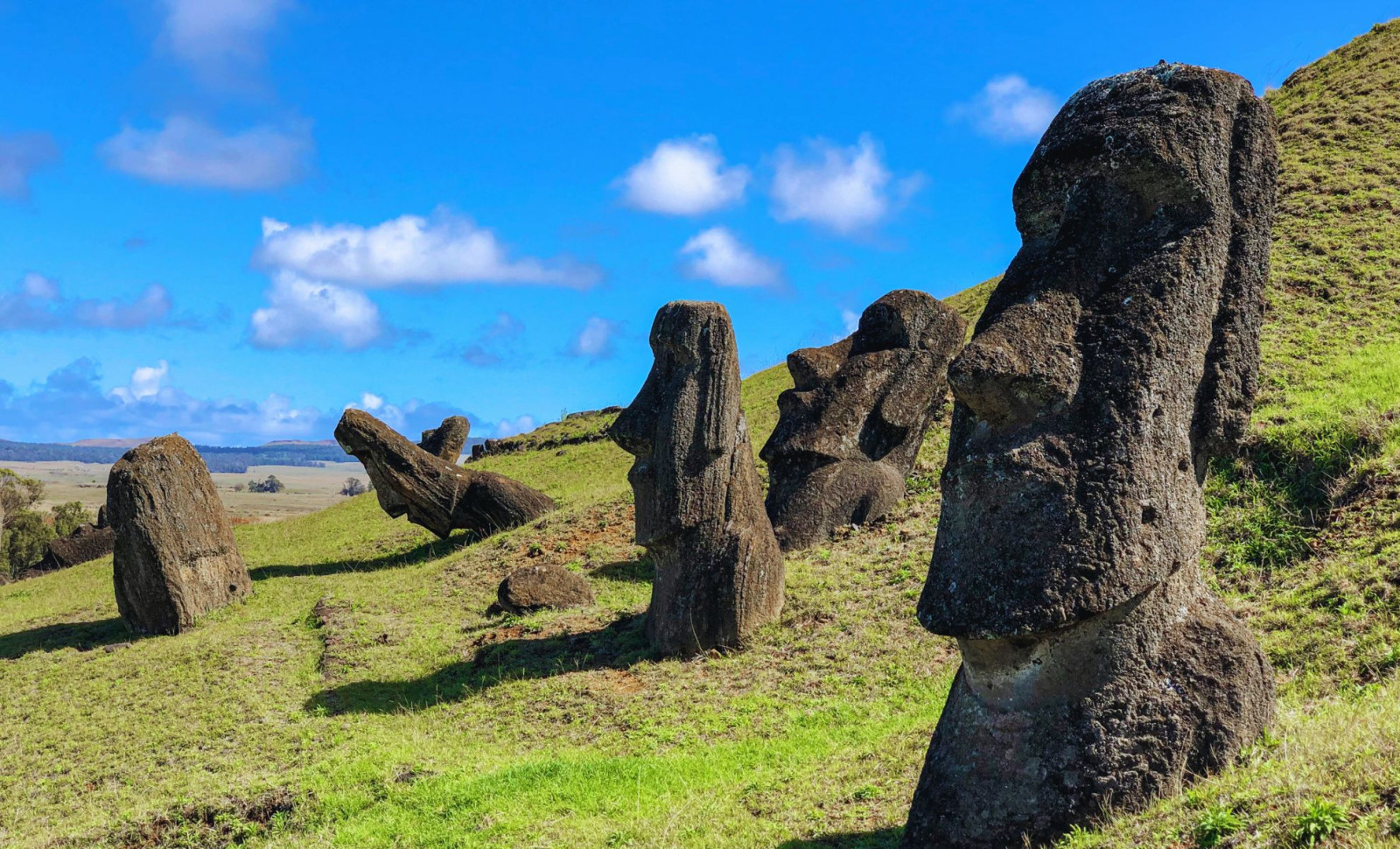
For many years, Easter Island’s history has been depicted as a cautionary tale of environmental ruin, with its inhabitants often held responsible for depleting their resources and collapsing their society. However, fresh findings published in Communications Earth & Environment challenge this long-held belief.
The widely accepted “ecocide” hypothesis argues that excessive deforestation and resource overuse by the island’s people triggered famine, conflict, and societal downfall. In contrast, this new research points to climate change as the primary driver behind the island’s dramatic transformation, rather than human activity.
A Centuries-Long Period of Drought
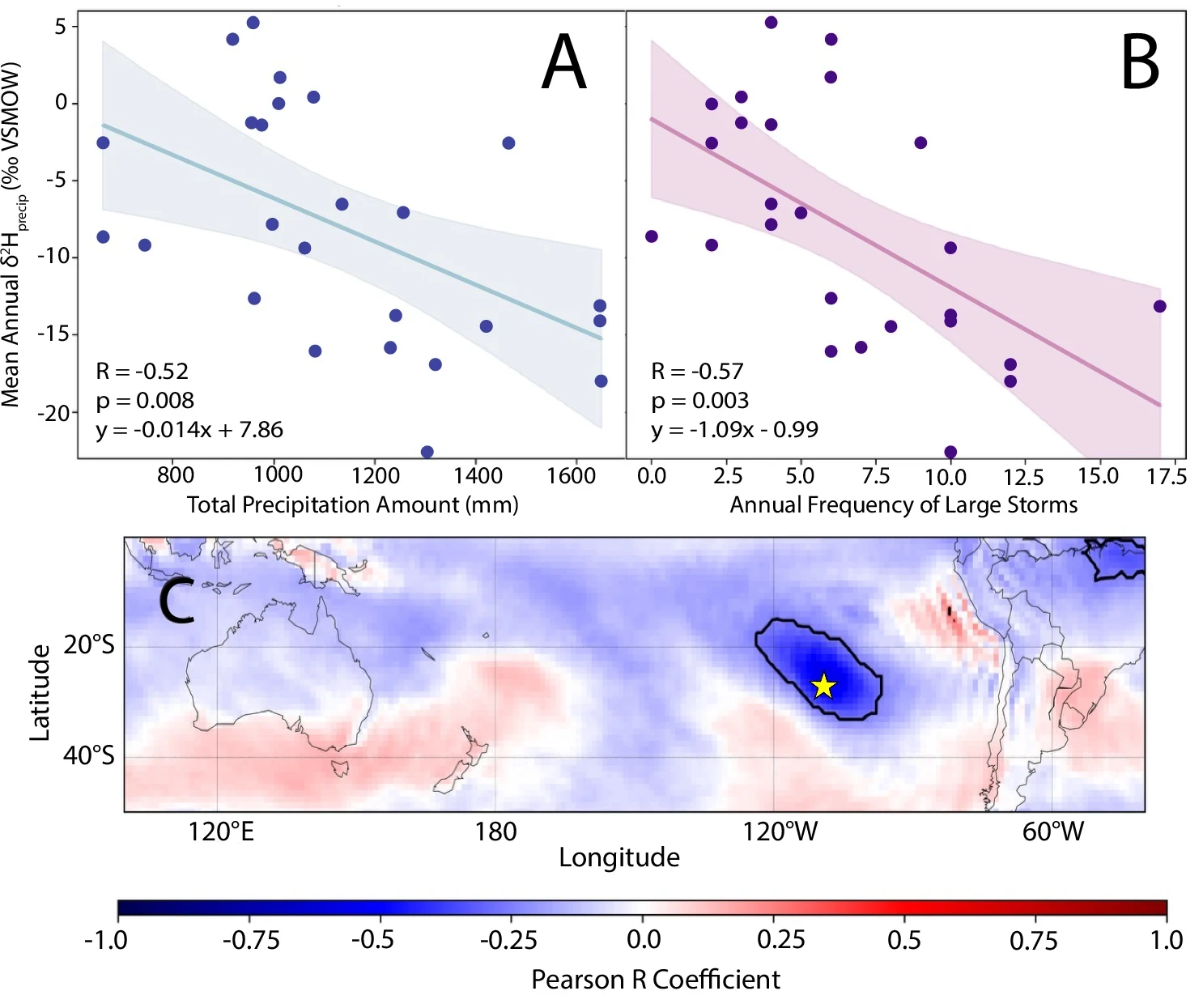
This recent investigation, headed by Redmond Stein and colleagues from Lamont-Doherty Earth Observatory, unveils a more intricate environmental history of Easter Island. By analyzing sediment samples from two freshwater locations on the island, the team reconstructed an 800-year precipitation record. Their data reveals a sharp decline in rainfall starting around the mid-1500s, with a decrease of 600 to 800 millimeters per year, described as "a more significant drying trend than what has been observed in recent times," within the study.

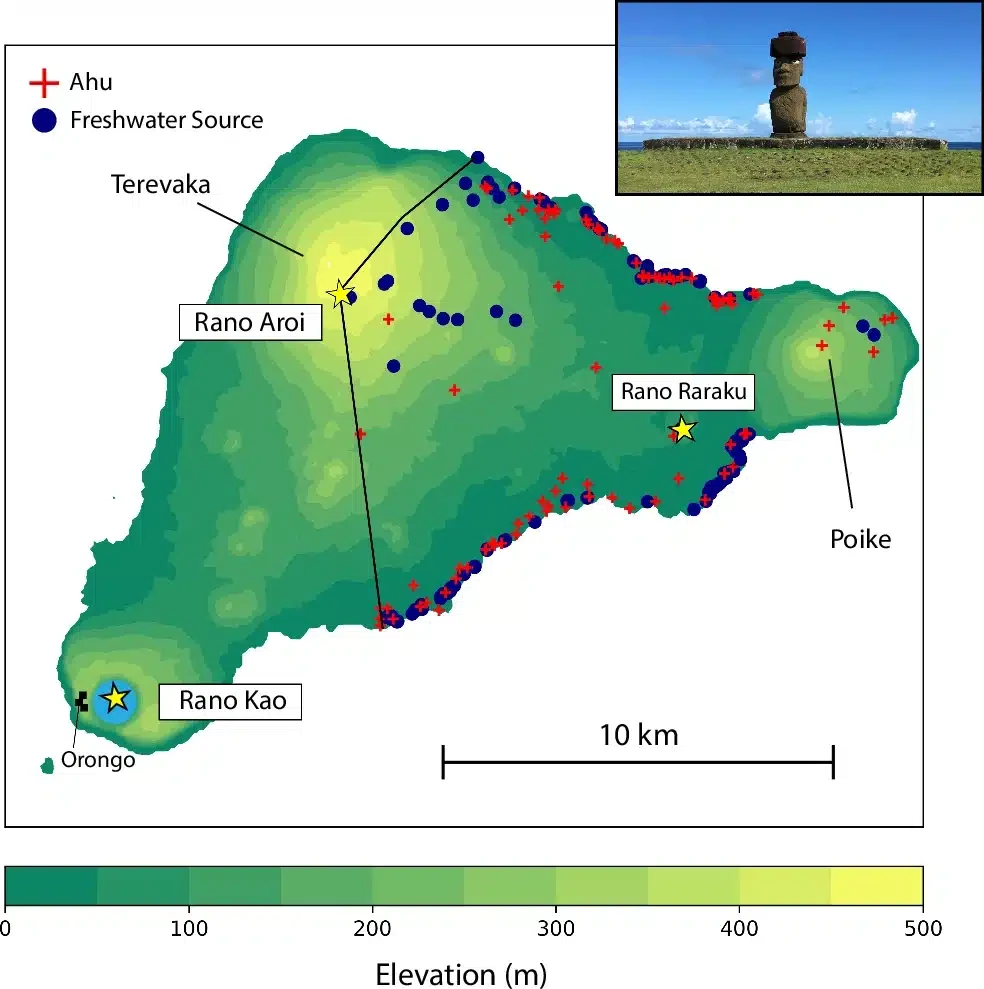
Rather than causing an immediate societal collapse, this extended drought seems to have compelled the Rapa Nui community to adapt gradually. The researchers emphasize that rather than passively observing their decline, the islanders modified their lifestyle over an extended period. Instead of sudden failure, the drought initiated slow, persistent shifts in cultural and social norms.
Drought, Not Human Error, Drove Changes
The conventional explanation for Easter Island’s downfall focused on “ecocide,” the premise that deforestation and resource depletion brought about famine and social unrest. Now, new evidence challenges this, proposing that while the island did experience deforestation, the crucial factor was a drastic shift in climate.
“We present evidence for a transition to persistent drought conditions on Rapa Nui beginning in the mid 16th century, based on two independent reconstructions of hydrogen isotopes in rainfall inferred from hydrogen isotopes of leaf waxes preserved in wetland sediments,” said the authors.
Social Changes in Response to Environmental Stress
The research highlights that facing prolonged drought conditions, the island community underwent significant cultural and societal transformations. Notably, the construction of the iconic ahu ceremonial platforms diminished, and a novel governance system termed Tangata Manu took form. This system selected leaders through competitive athletic events rather than hereditary claims linked to the moai statues.
Researchers propose these adaptations were strategies to cope with the environmental hardships, indicating the islanders actively reorganized their society to endure amid scarce water and resources.
- Categories:
- Science











0 comments
Sign in to Comment