
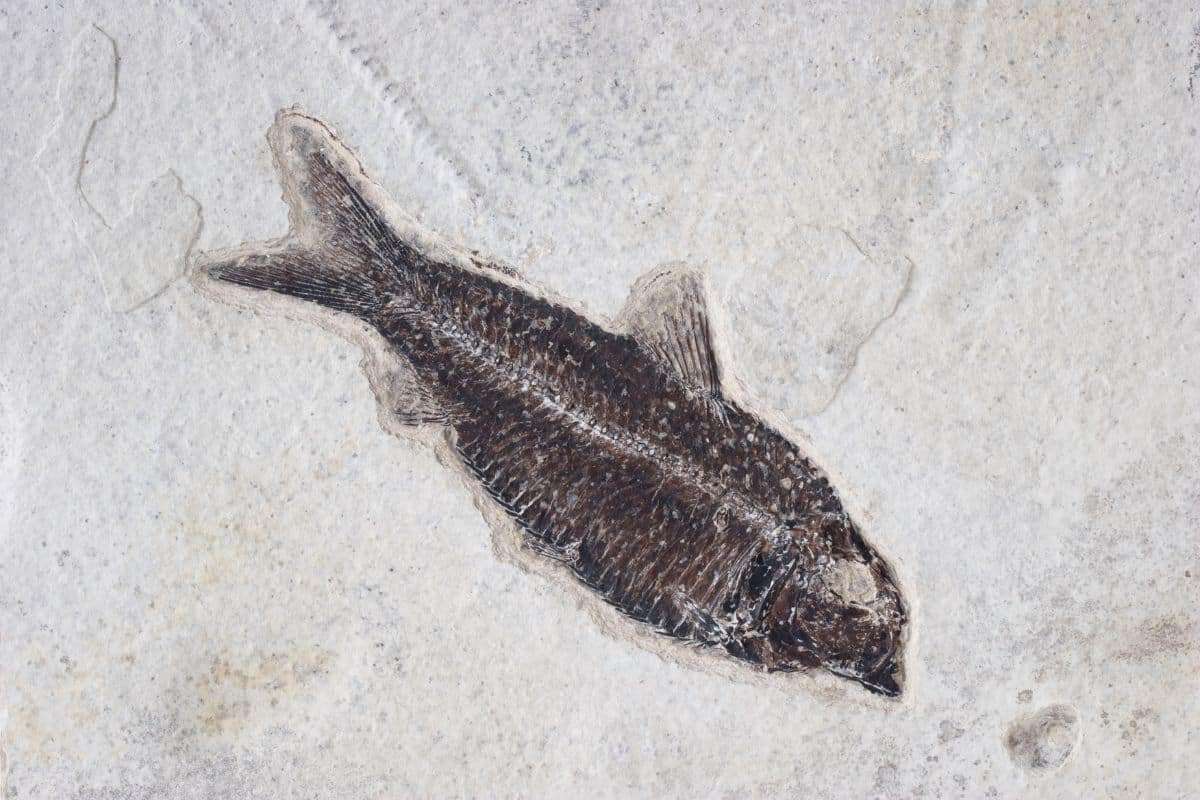
Our capacity for coordinated and versatile motion is a hallmark of vertebrate life. Recent research featured in PLOS Biology uncovers that the evolution of this capability dates back to early jawed fish, offering new perspectives on the development of skeletal joints.
The team identified that the earliest synovial joints—lubricated, fluid-filled structures essential for flexible movement—originated in ancestral vertebrates, marking a pivotal evolutionary advance.
Exploring the Roots of Joint Mobility
The question of when vertebrates first developed articulated joints has intrigued scientists for years. These joints, allowing bones or cartilage to move smoothly relative to each other, are present in all jawed vertebrates, spanning from aquatic species to terrestrial animals like humans. Yet, their exact origins have been elusive.

Led by Neelima Sharma at the University of Chicago, the researchers examined joint anatomy in modern-day cartilaginous fish—such as sharks—and compared them to jawless fish like lampreys.
They also studied fossilized remains of extinct species to pinpoint when these synovial joints first appeared on the evolutionary stage.
The Importance of Synovial Joints
Synovial joints serve as fundamental components in vertebrate locomotion. Unlike rigid bone connections, these joints have fluid-filled cavities that minimize friction and facilitate smooth, controlled motion. In humans, they enable everything from delicate finger movements to vigorous activities like running.
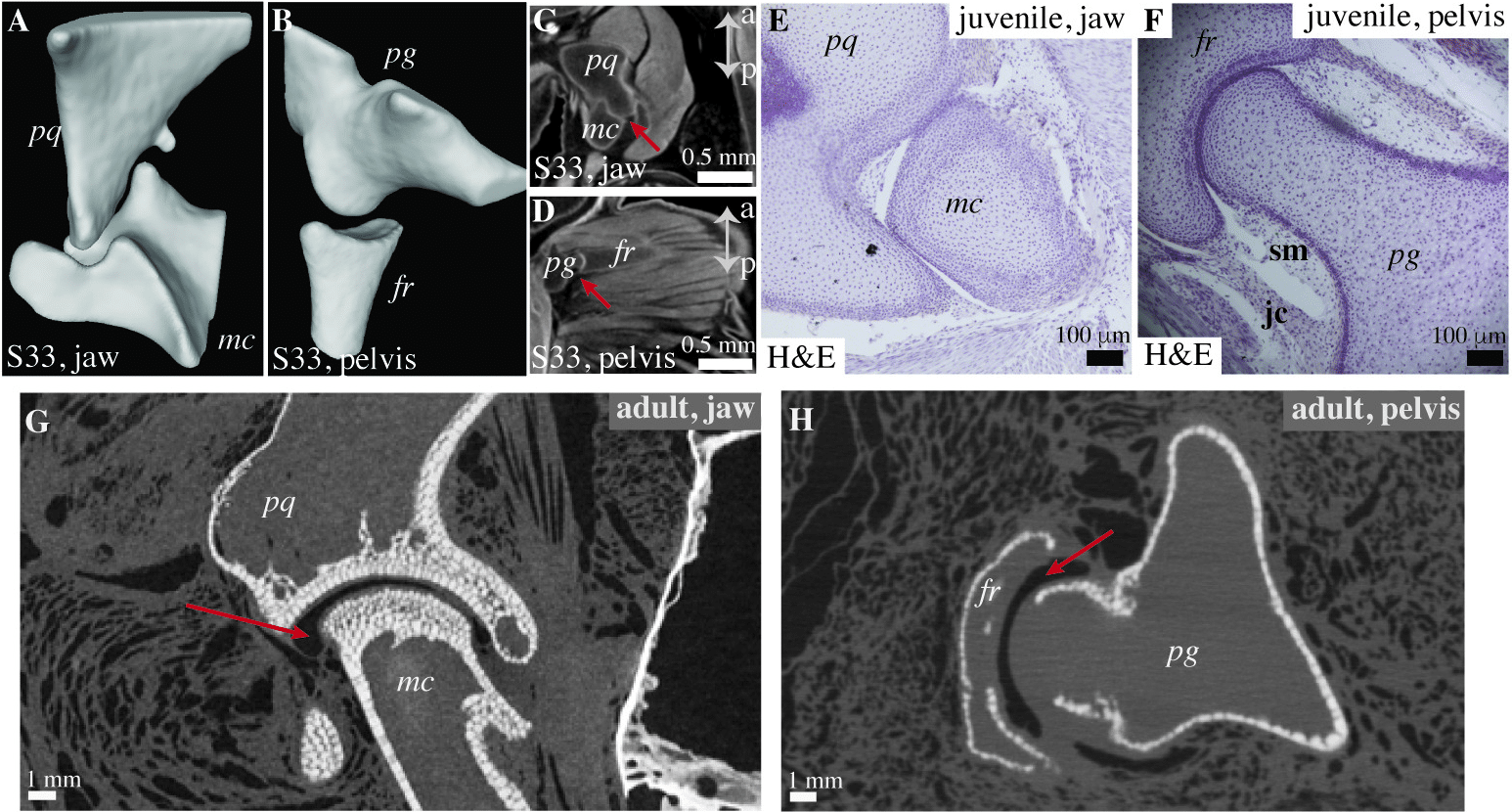
The research revealed that jawless fish such as lampreys do not possess synovial joints, suggesting these structures were absent in the earliest vertebrates. Conversely, cartilaginous fish, including bamboo sharks and little skates, exhibit cavitated joints, indicating early forms of synovial articulation.
Through examination of the fossil record, the study identified the earliest occurrence of a synovial joint in the ancient jawed fish Bothriolepis. “The emergence of mobile joints in ancestral fish allowed them to explore new methods of movement and feeding,” the team explained.
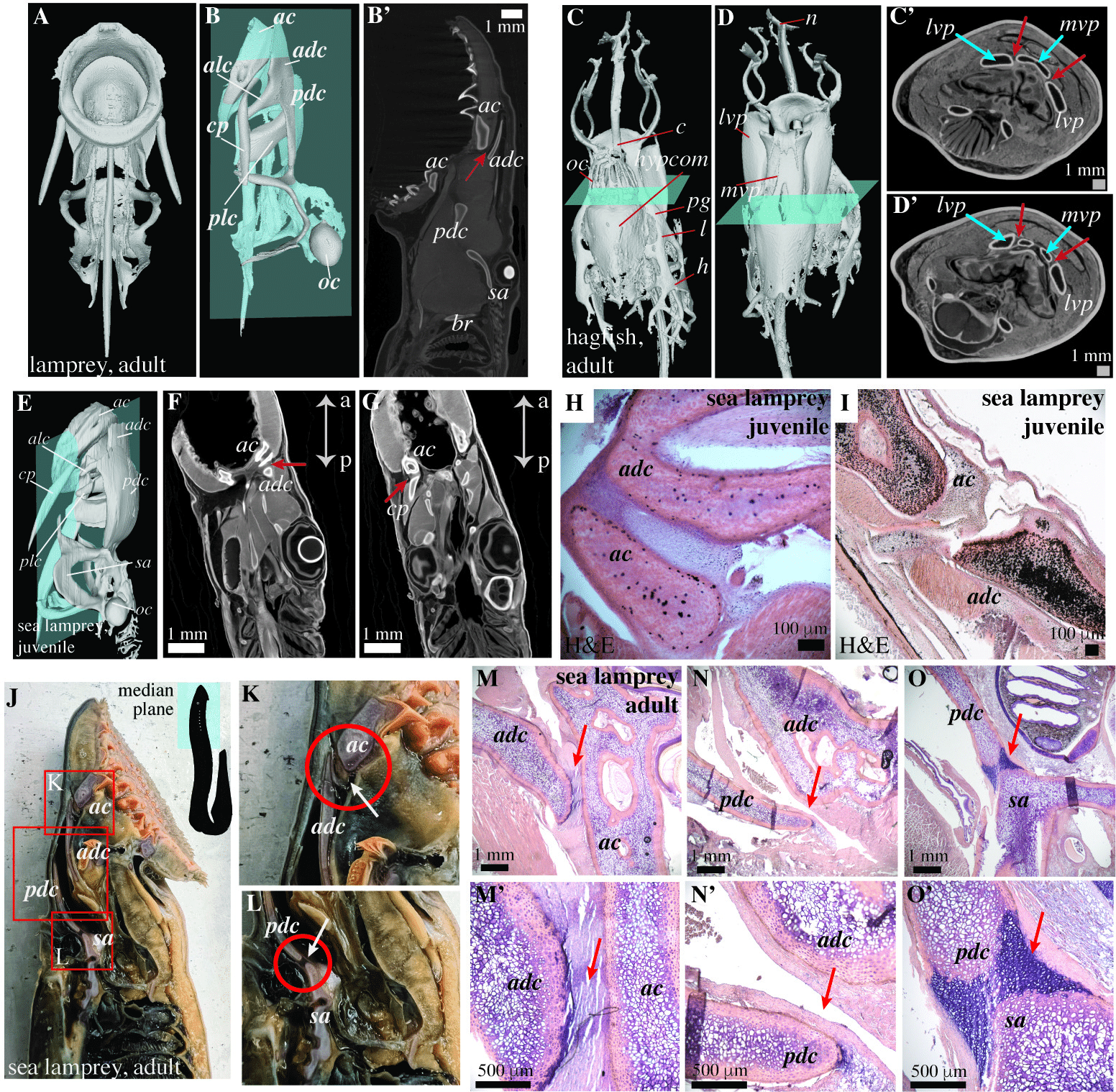
Jawed Versus Jawless Fish Compared
To trace this evolutionary breakthrough, the investigators led by Neelima Sharma of the University of Chicago compared living species: jawless fish such as lampreys with cartilaginous fish like bamboo sharks and skates.
The evidence was definitive—jawless fish lack synovial joint structures, while these are present in cartilaginous fish. This distinction suggests that enhanced flexibility and efficient limb movement evolved exclusively in jawed vertebrates, a conclusion supported by fossil findings.
Fossil Evidence Highlights Ancient Joint Origins
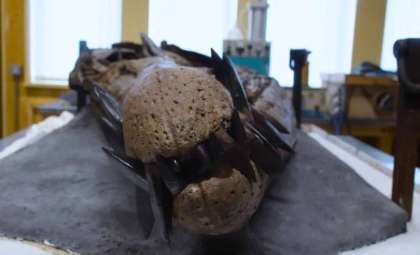
Fossil analyses revealed that the earliest synovial joints belonged to Bothriolepis, a heavily armored fish from about 380 million years ago. CT imaging of Bothriolepis fossils showed joint features remarkably similar to those in contemporary vertebrates.
This discovery points to synovial joint development in jawed fish, conferring a significant evolutionary edge over jawless species. Greater joint mobility allowed these creatures to maneuver more effectively, paving the way for the eventual emergence of terrestrial vertebrates.
From Water to Land: An Evolutionary Milestone
The advent of movable joints was crucial in vertebrate history. Early jawed fish, equipped with synovial joints, gained freedom of movement that enhanced their hunting capabilities and environmental adaptability.
Over millions of years, this adaptation facilitated vertebrates’ transition to terrestrial life, eventually leading to amphibians, reptiles, and mammals. The joint architecture seen in humans today can trace its origins back to these ancient fish ancestors.
Implications for Today’s Science
This evolutionary insight extends beyond biology, offering potential avenues for medical research. Understanding the roots of synovial joints could improve knowledge of joint disorders such as arthritis, guiding the development of advanced therapies for mobility impairments.
The study also sets the stage for ongoing research. Future work aims to integrate fossil evidence with genetic data to deepen our understanding of joint evolution across diverse vertebrate lineages.
- Categories:
- Science








0 comments
Sign in to Comment