
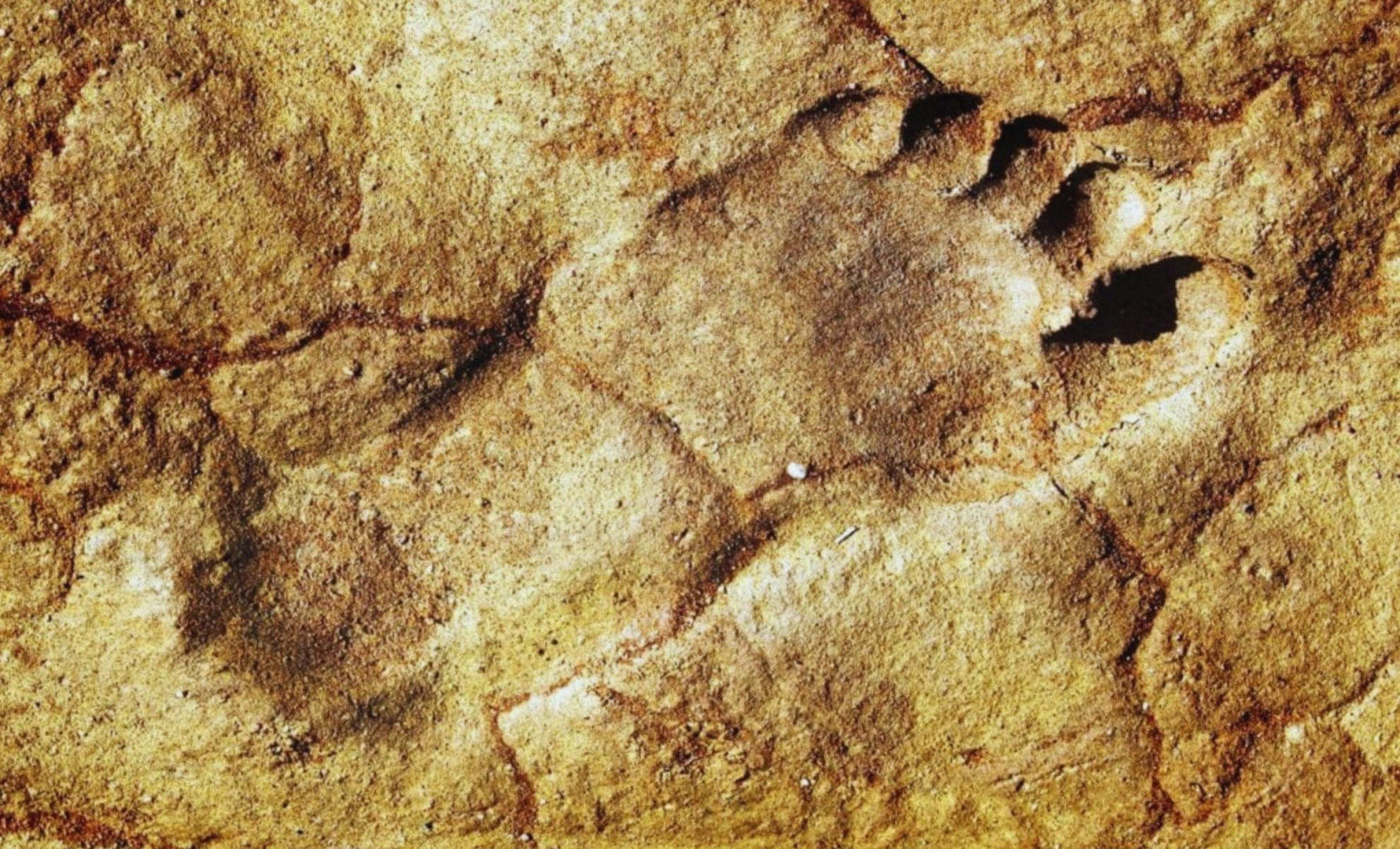
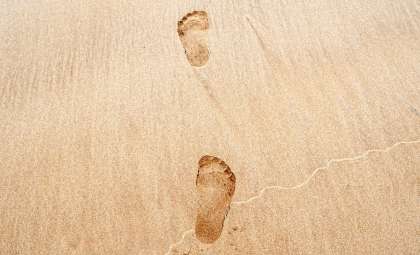
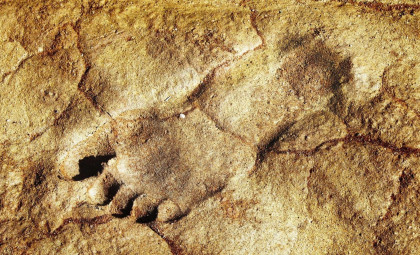
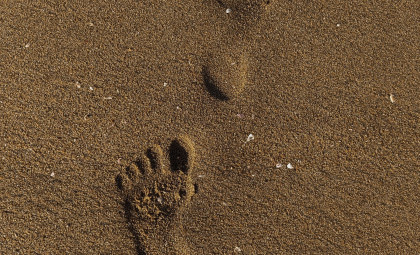
A remarkable discovery in the Nefud Desert of Saudi Arabia has uncovered human footprints dating back 120,000 years. These impressions, left on what was once a lake bed, belong to a small group of early Homo sapiens and offer new insights into their migration across the Arabian Peninsula.
The site, now a vast desert, was previously a much wetter and more life-supporting environment. This finding overturns earlier beliefs that early humans avoided such arid zones, demonstrating they navigated and inhabited challenging desert landscapes millennia ago.
A Glimpse Into Ancient Lives
Likely made by people pausing to drink and gather near the ancient water body, the footprints highlight human presence in northern Saudi Arabia far earlier than assumed. Published in Science Advances, the research cites Mathew Stewart from the Max Planck Institute for Chemical Ecology, who noted in a press statement:

“We immediately realized the potential of these findings.” He added, ” “Footprints are a unique form of fossil evidence in that they provide snapshots in time, typically representing a few hours or days, a resolution we tend not get from other records.”
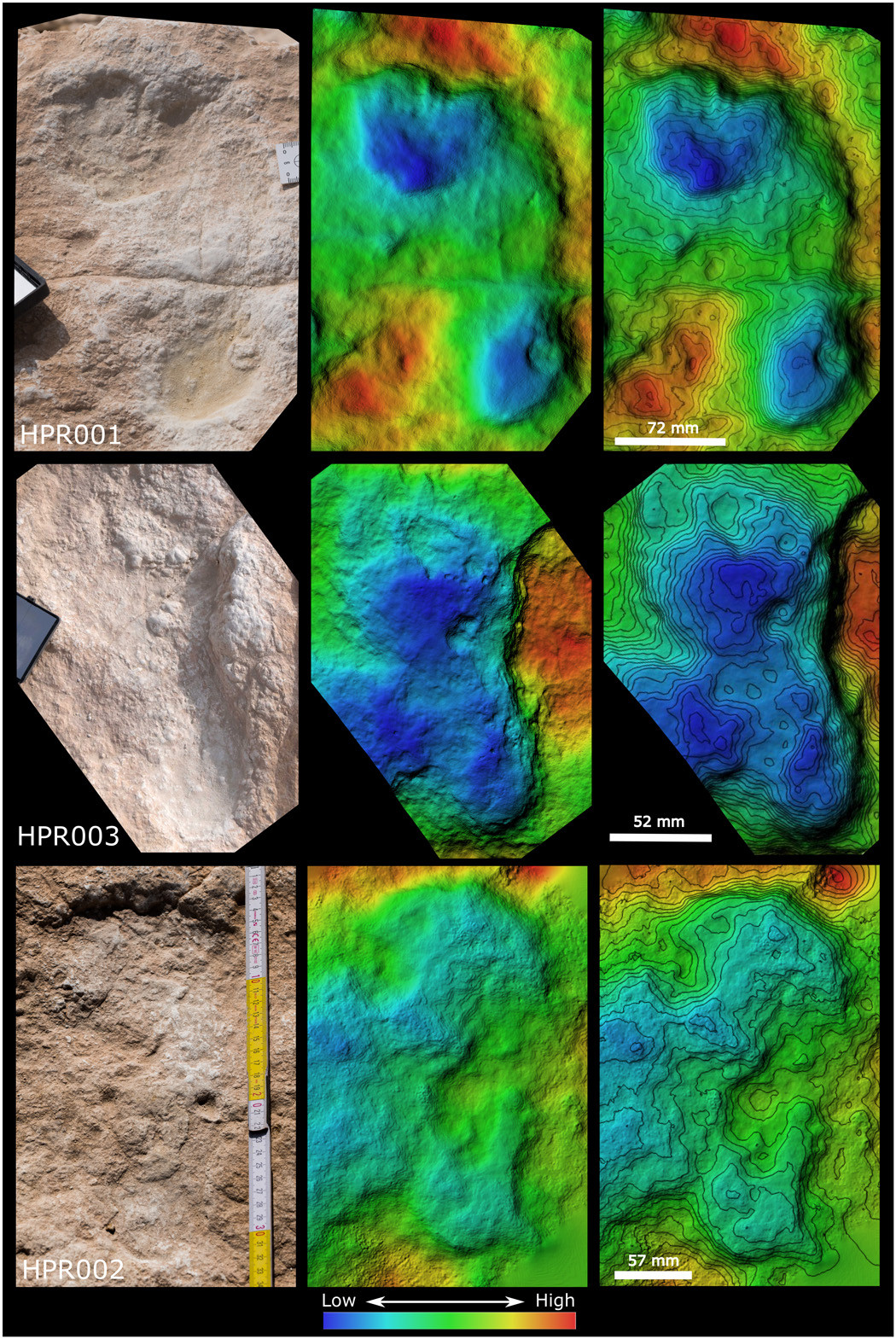
Though there is much that remains unknown, these footprints help reconstruct potential routes taken by early humans as they expanded out of Africa.
Reconstructing the Ancient Landscape
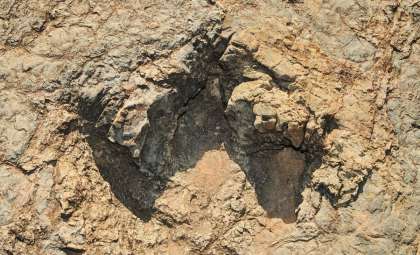
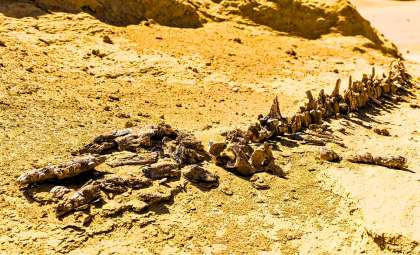
What stands out about this discovery is the environment these footprints were imprinted on. The location was formerly a lake, strikingly different from today’s barren desert. Animal footprints discovered nearby point to a lusher, more productive ecosystem that once existed here.
“The presence of large animals such as elephants and hippos, together with open grasslands and large water resources, may have made northern Arabia a particularly attractive place to humans moving between Africa and Eurasia,” explained Michael Petraglia, an archaeologist at the Max Planck Institute for Science and Human History.
The stark environmental contrast highlights dramatic climatic shifts over tens of thousands of years, showing that this area once sustained a rich array of wildlife and human populations.
Redefining Human Migration Through Arabia
This discovery alters our grasp of early human dispersal. The evidence suggests that the Arabian Peninsula was a crucial corridor in the expansion of Homo sapiens, supporting both animal and human life. The intermingling of footprints points to hospitable conditions that encouraged movement and settlement.
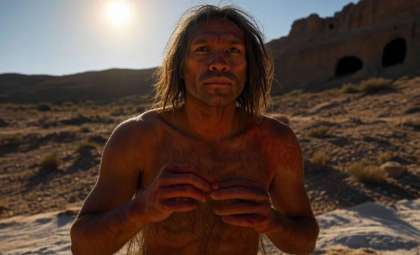
“It is only after the last interglacial with the return of cooler conditions that we have definitive evidence for Neanderthals moving into the region,” sais Stewart. “The footprints, therefore, most likely represent humans, or Homo sapiens.”
This finding challenges the long-held view that harsh climates deterred humans from the Arabian Peninsula, instead highlighting their adaptability across diverse environments as they journeyed between continents.
- Categories:
- Science




0 comments
Sign in to Comment