
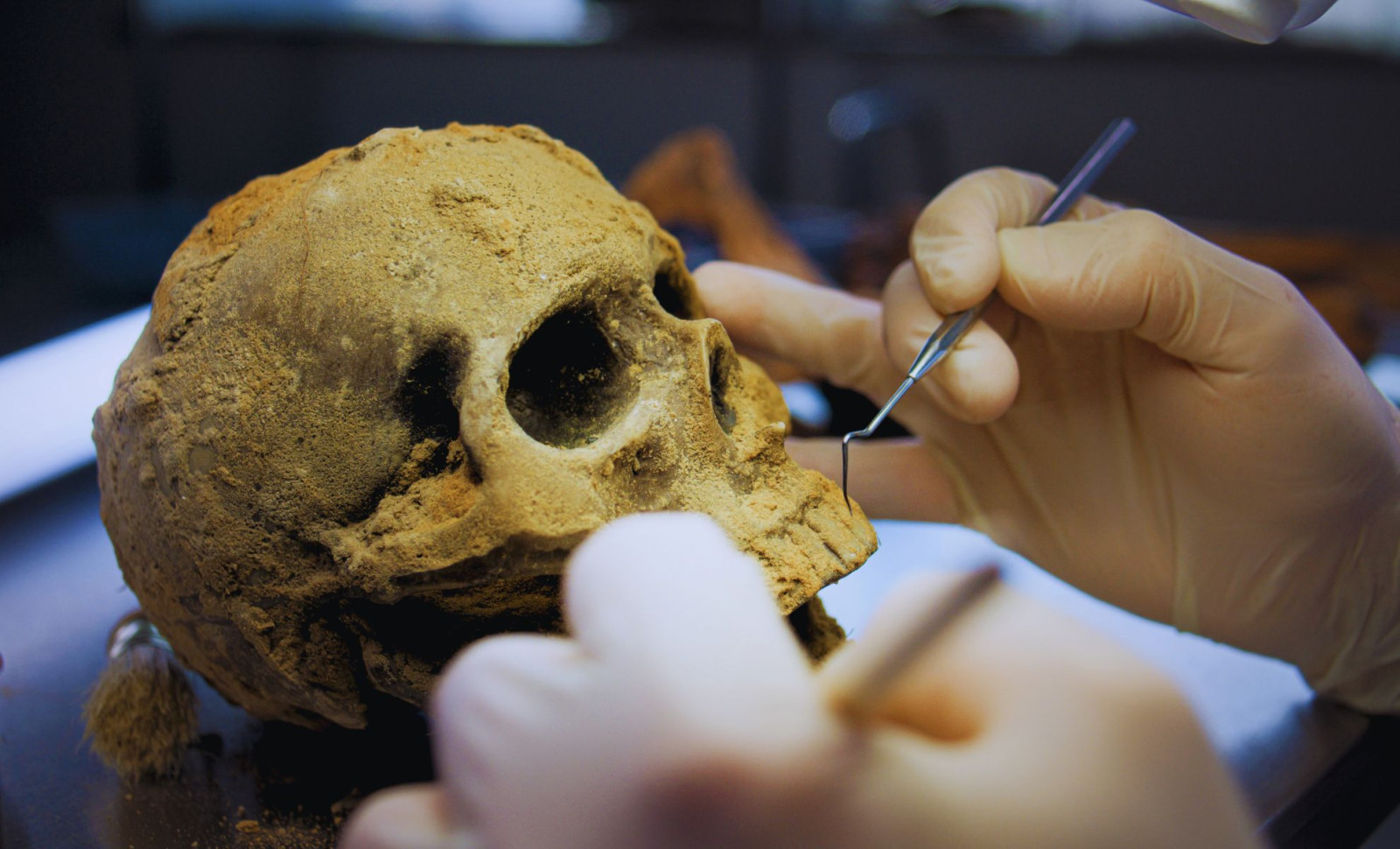
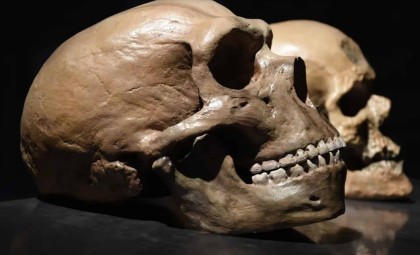
Two fossilized skulls unearthed in Yunxian, northern China, have now been dated to about 1.77 million years ago, establishing them as the earliest hominin remains discovered in eastern Asia. This new evidence disputes previous assumptions linking these fossils to Denisovans and instead classifies them as early Homo erectus.
This updated timeline reshapes our understanding of human migration across Eurasia, suggesting that Homo erectus arrived in East Asia much sooner and possibly dispersed more rapidly than earlier believed.
Published in Science Advances in 2026, the study offers a more robust dating framework to interpret early hominin occupation in China.

New Dating Confirms Yunxian Fossils Are 1.77 Million Years Old
The revised age is based on isotopic measurements taken from sediment layers around the skulls. The research team, led by paleoanthropologist Hua Tu of Shantou University, analyzed the aluminum-26 to beryllium-10 ratio in quartz found at the fossil site.
The Science Advances publication reports that these hominins existed roughly 1.77 million years ago, placing them just 130,000 years after the first emergence of Homo erectus in Africa around 1.9 million years ago.
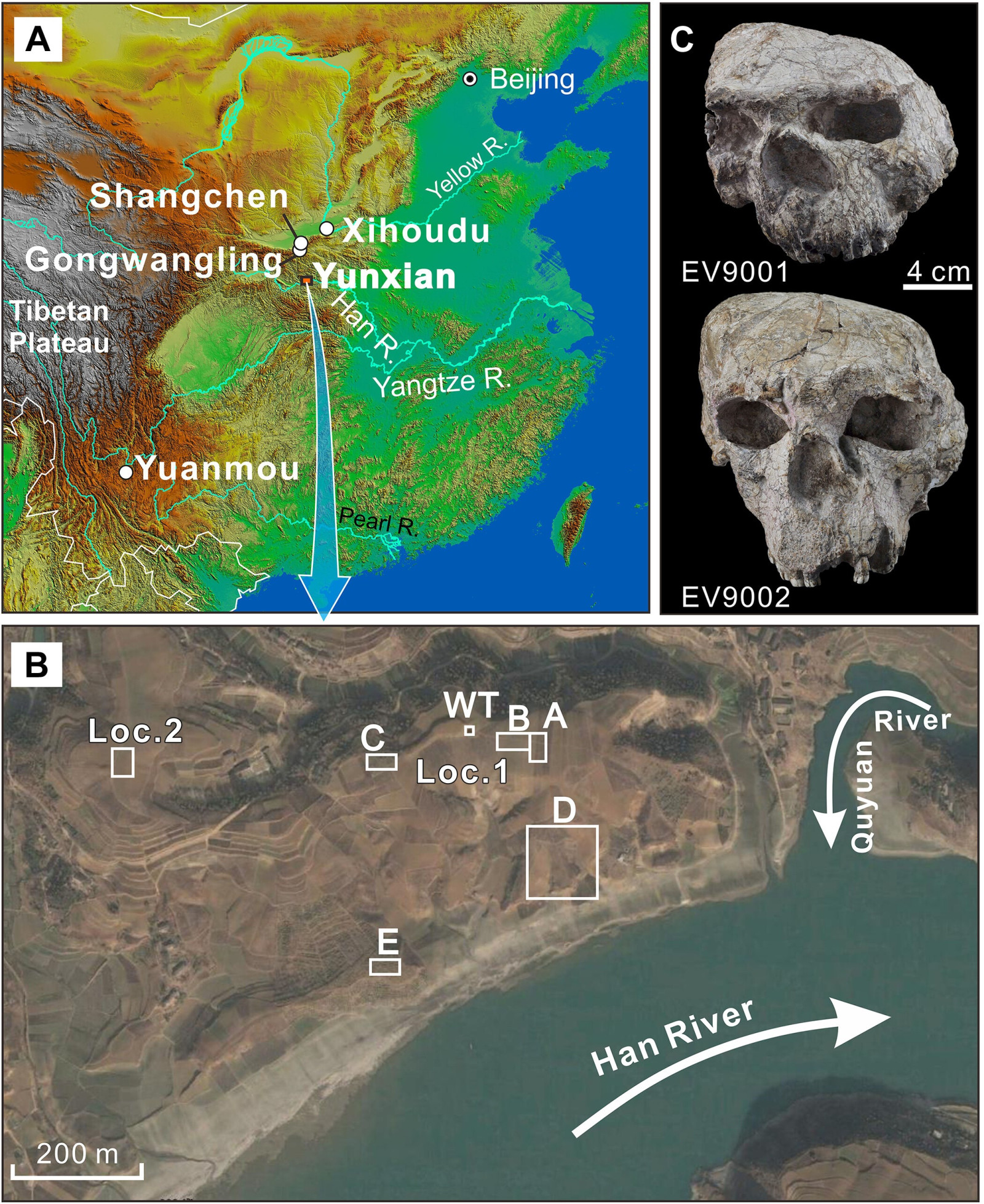
Previously, the Dmanisi Cave fossils in Georgia, dated between 1.85 and 1.77 million years old, held the record for the oldest hominin specimens outside Africa. The Yunxian discoveries now suggest that hominins inhabited both central China and western Eurasia within a tight chronological window.
The next oldest Homo erectus fossils in China, from Gongwangling north of Yunxian, are dated to 1.63 million years ago. This new data shortens the perceived timeline of eastward migration significantly.
Denisovan Connection Challenged by New Chronology
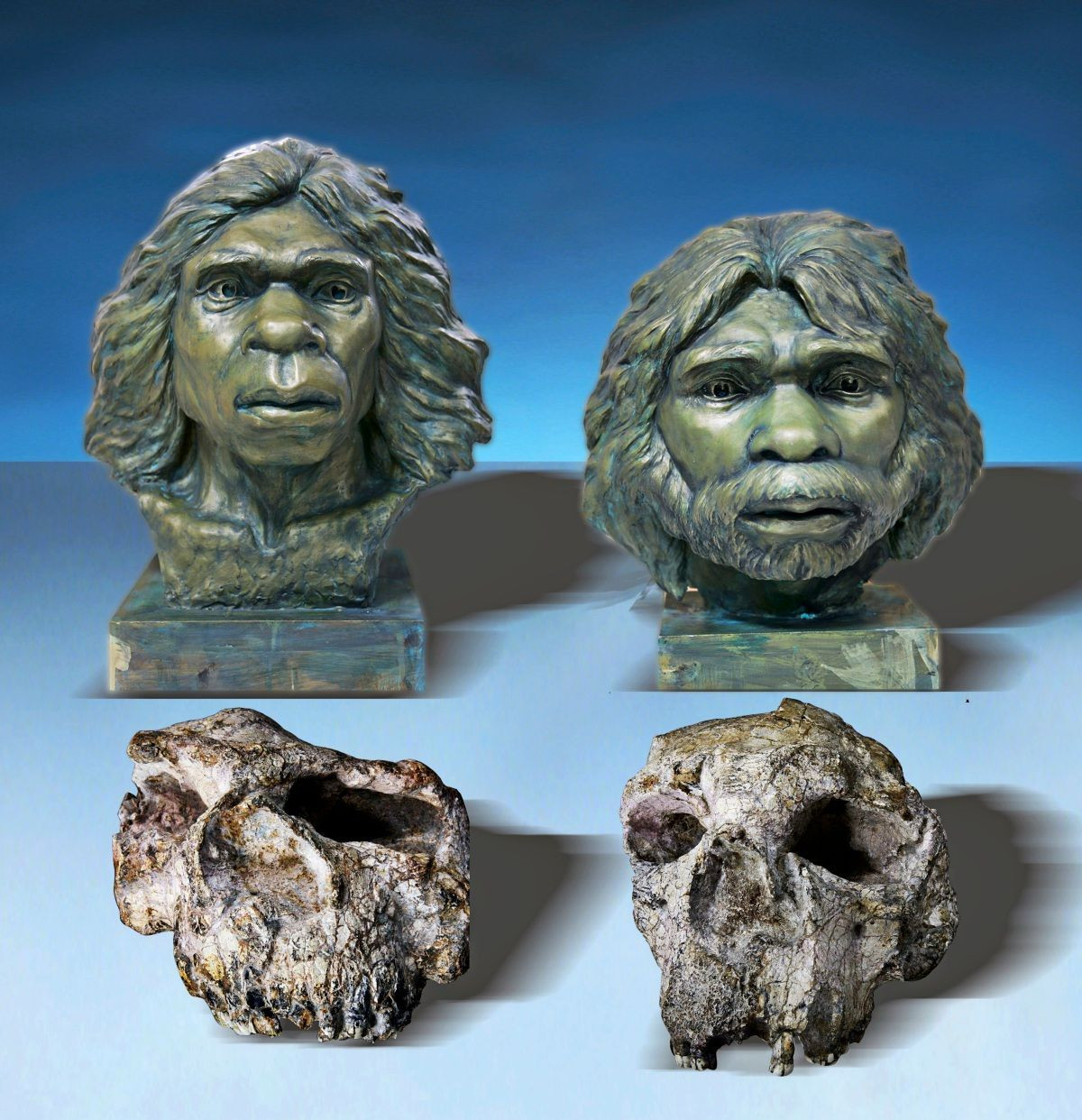
These updated dates contradict a September 2025 publication that suggested Yunxian skulls were ancestral to the Denisovans, or Homo longi.
That earlier work digitally reconstructed one Yunxian skull and noted its resemblance to a 146,000-year-old specimen from Harbin, whose DNA analysis had linked it to Denisovans. Using paleomagnetic data from that period, the study theorized Yunxian hominins lived shortly after Denisovans diverged from our lineage and proposed a phylogenetic model where modern humans and Denisovans share a closer relationship than either does with Neanderthals.
The current dating disputes this narrative. Paleoanthropologist John Hawks from the University of Wisconsin, who was not part of this research but commented to Ars Technica, remarked:
“1.77 million years is just too old to be a credible connection to the Denisovan group, which DNA tells us got started after around 700,000 years ago.”
This earlier date leads scientists to classify the Yunxian remains as Homo erectus rather than Denisovans.
Implications for Early Human Migration and Tool Use
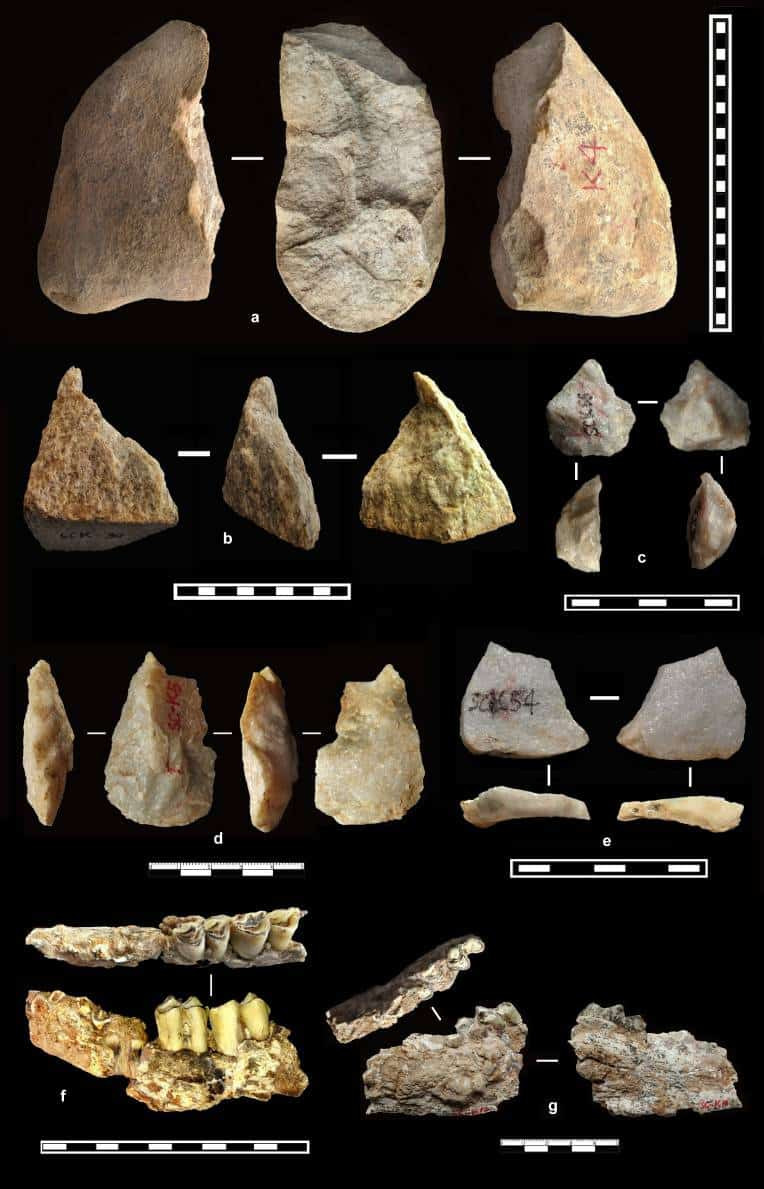
Archaeological sites such as Shangchen, near the southern edge of the Loess Plateau, have yielded stone implements dated to about 2.1 million years ago, while at Xihoudu in northern China, tools date back to 2.43 million years. Although these locations have produced artifacts, no hominin fossils have been discovered there to date.
Christopher Bae, coauthor of the study and researcher at the University of Hawai‘i at Mānoa, commented:
“If you have a site in China that’s 2.43 million years, and the origin of Homo erectus is 1.9 million years ago, either you need to push the origin of Homo erectus back to 2.5 or 2.6 million years or we need to accept that we need to be looking at other hominins that may have actually moved out of Africa.”
Potential candidates for these earlier migrations include species like Homo habilis or Homo rudolfensis. However, without fossil evidence from Shangchen or Xihoudu, the precise makers of these ancient tools cannot be definitively identified.
- Categories:
- Science





0 comments
Sign in to Comment