
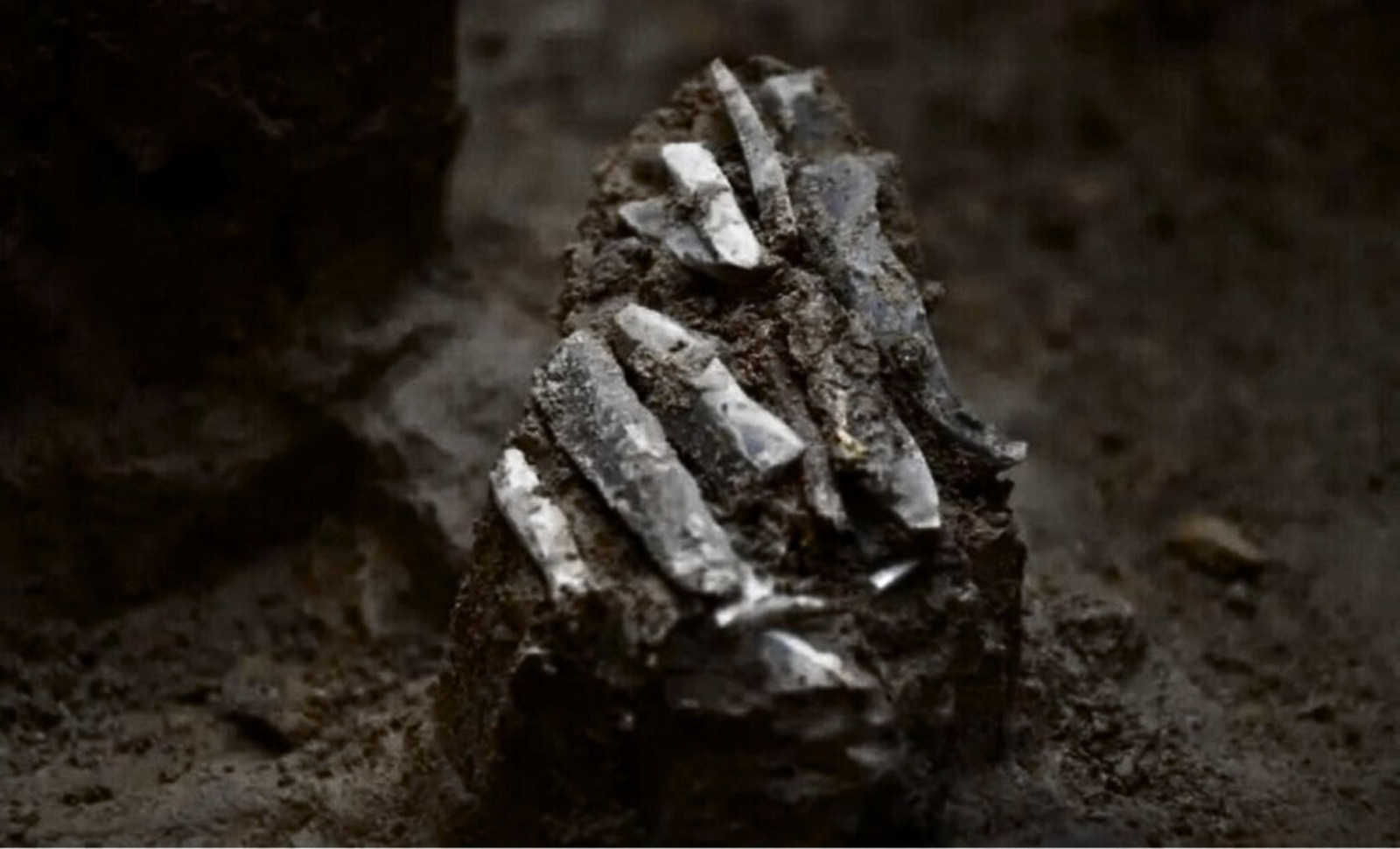
Over many years, the rolling hills of South Moravia have produced countless Stone Age relics, mostly isolated fragments from a long-past era. However, a unique collection of 29 stone tools discovered in 2021 at the Milovice IV site challenges this norm by potentially representing the belongings of a single individual.
Unlike typical scattered remnants, these stones were found tightly grouped, maintaining the arrangement one would expect if they had been stored in a leather or bark pouch that eventually decomposed over millennia. Radiocarbon analysis of charcoal within the same sediment layer dates the assemblage to between 30,250 and 29,550 years ago, coinciding with the widespread Gravettian culture in central Europe.
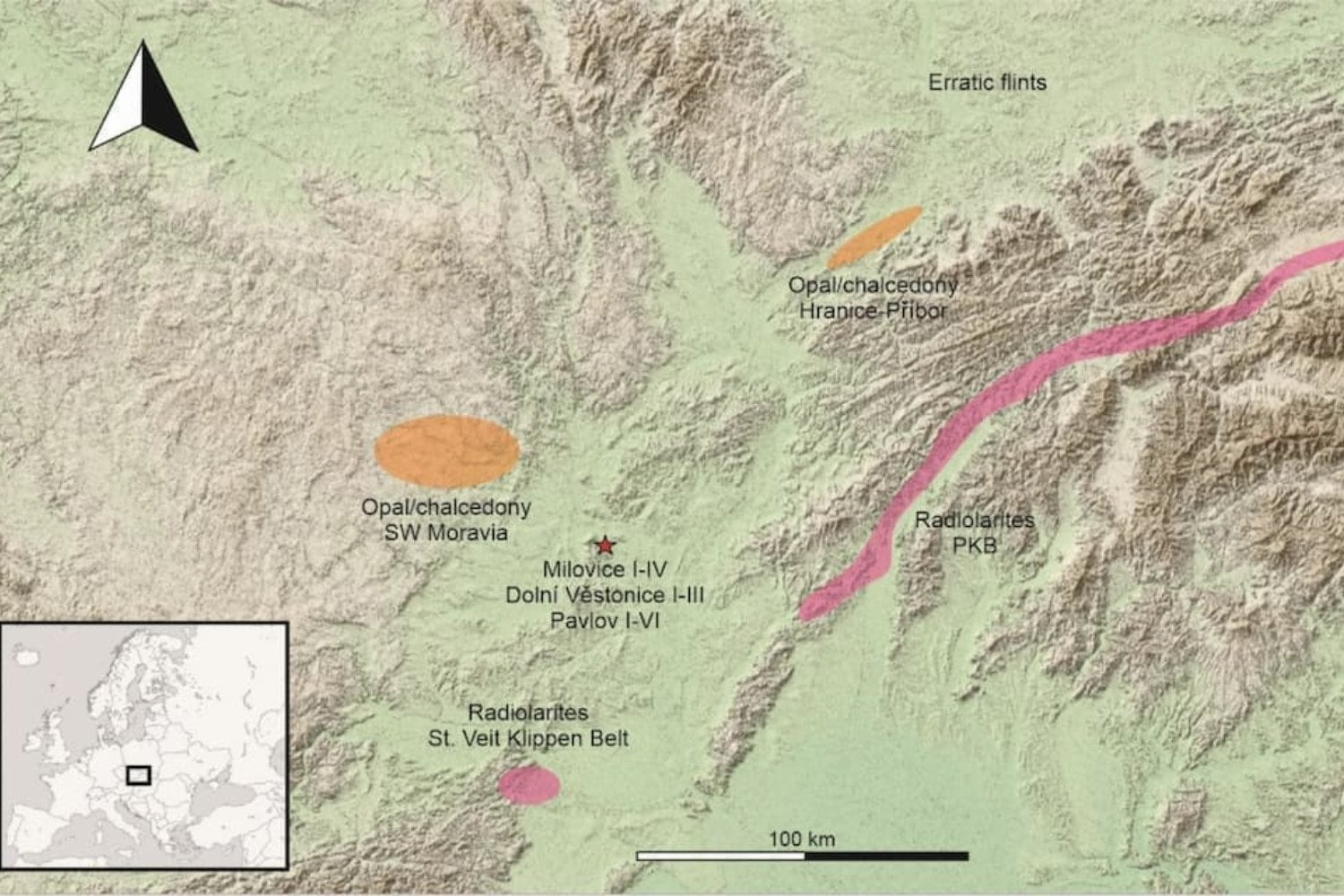
The significance of this find, detailed in the Journal of Paleolithic Archaeology, lies in its association with the complete personal belongings of one Ice Age individual, rather than a cumulative deposit from multiple people spanning generations. This distinction offers a rare glimpse into the daily life and travel habits of an Ice Age hunter, the tools they deemed vital, and their survival strategies during resource-scarce excursions away from home.

An Unbroken Cache Through Time
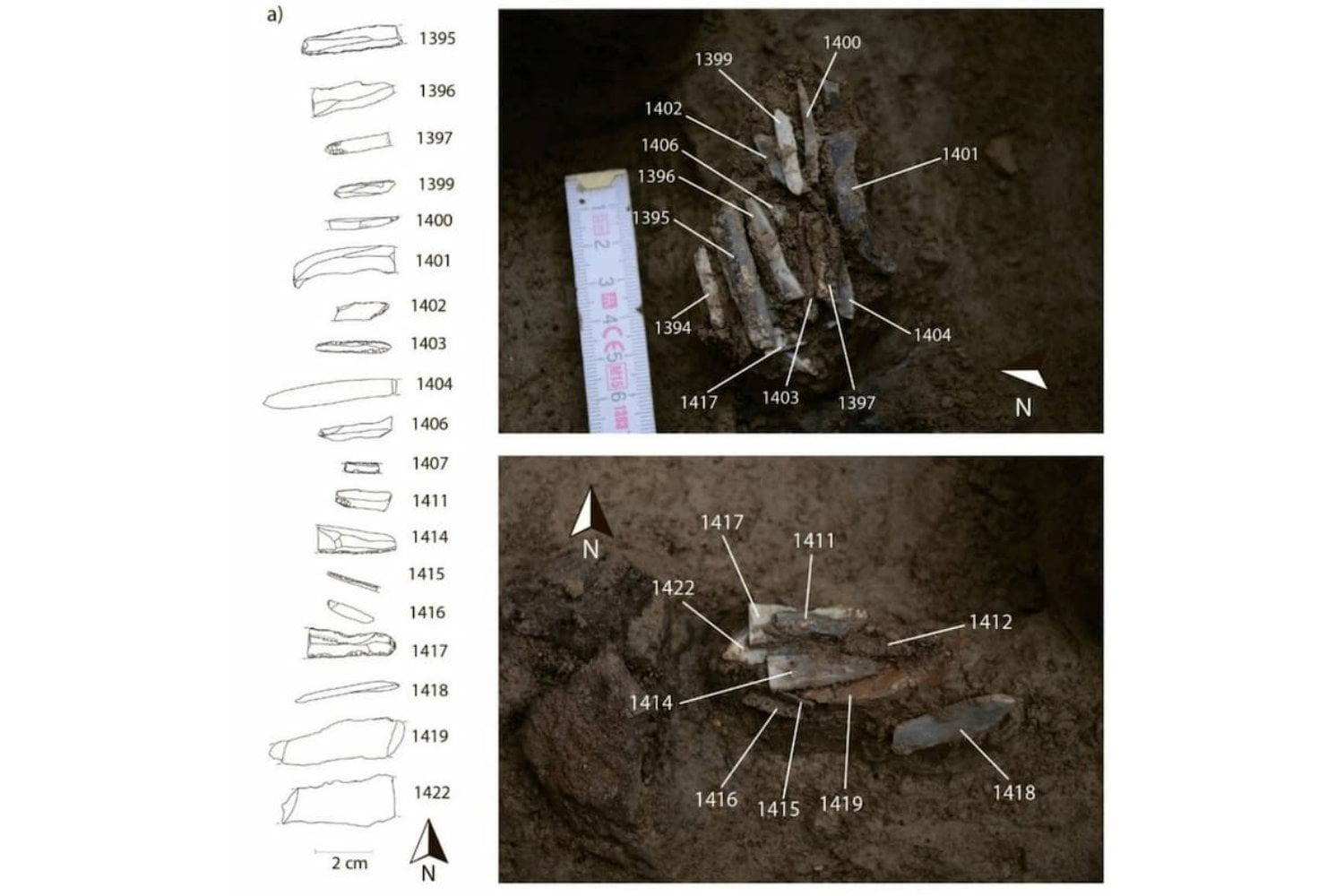
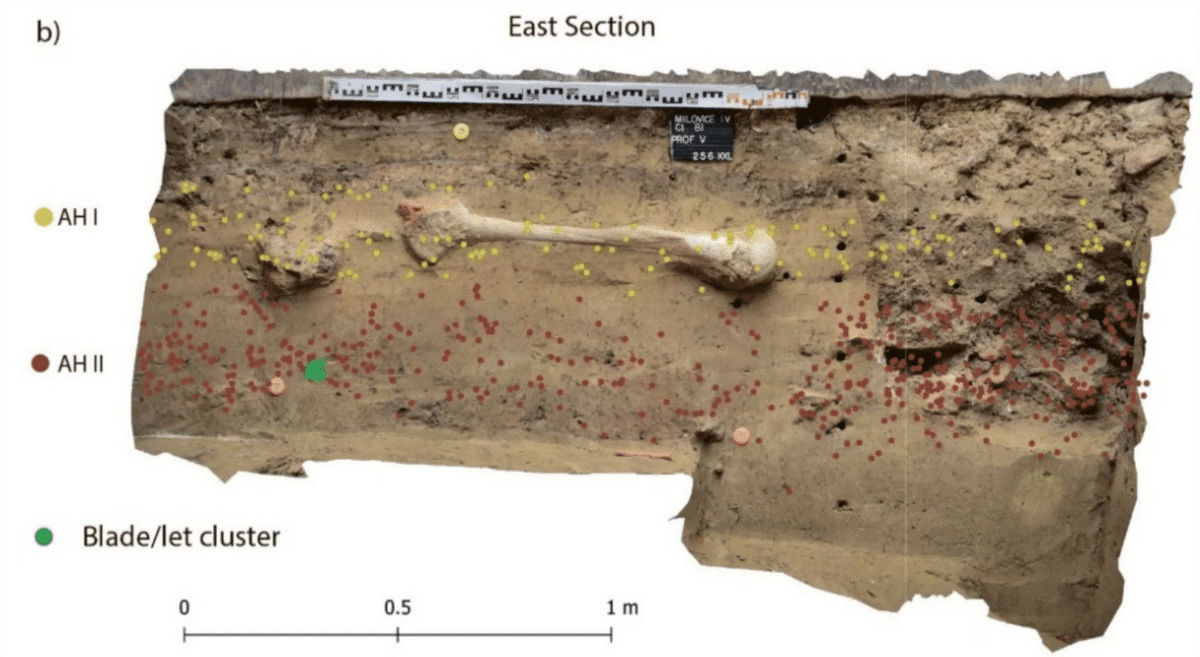
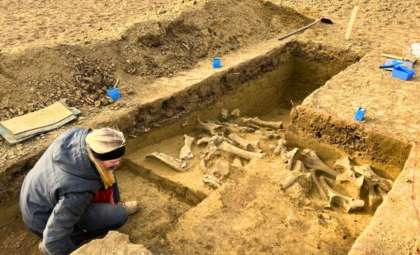
The 2021 excavation at Milovice IV revealed a rich stratigraphy with several Upper Paleolithic horizons. The tool kit was uncovered within Archaeological Horizon II, a layer that also contained a hearth and faunal remains dominated by horses and reindeer. Researchers used precise total station measurements and performed the excavation in three controlled stages, capturing detailed photographs to preserve the spatial relationships of the 29 blades and bladelets.
"The evidence suggests these items were originally bundled inside a perishable container," states the study published in the Journal of Paleolithic Archaeology. The container’s organic material has long since decayed, which is expected given the rarity of organic preservation in open-air sites from this time period.
The sediment formation happened rapidly, as noted by the authors: “The primary deposition of AH II likely occurred soon after, or possibly during, the human occupation of the site.” This swift formation likely prevented disturbance and kept the tool collection intact rather than scattered over time.
Examining the Stone Artifacts
Typological and use-wear analyses, conducted by teams at Sapienza University and the University of Hradec Králové, revealed that the tools served multiple purposes. “Many of the artifacts exhibited breakage patterns characteristic of projectile weapons, while other tools bore signs of cutting, scraping, and drilling,” the researchers explained.
The stones themselves originated from a variety of sources determined through laser ablation inductively coupled plasma mass spectrometry. Some materials came from over 100 kilometers away. “This diversity indicates the individual’s extensive mobility or connections within a broader network,” the report points out.
The tools show signs of heavy use and adaptation. Broken fragments were re-sharpened and repurposed for different tasks. “The practice of reutilizing small shards and spalls suggests an economical approach, likely motivated by limited access to raw materials during hunting or migration,” the analysis notes.
Dominik Chlachula from the Czech Academy of Sciences and lead author of the study told Live Science via email that these objects “likely document a single moment in one individual’s life, which is exceptionally uncommon for the Paleolithic era.” He added that such discoveries may help illuminate behaviors during prehistoric migrations or hunting expeditions that rarely leave archaeological traces.
Peering into the Hunter’s World
The Gravettian culture, flourished in Europe between roughly 33,000 and 24,000 years ago, is renowned for mammoth bone dwellings, sophisticated stone craftsmanship, and iconic Venus figurines. Inhabitants of sites close to Milovice IV, such as Dolní Věstonice and Pavlov, survived in cold steppe environments, hunting animals like horses, reindeer, and mammoths.
“While their subsistence was primarily hunting and gathering, they exhibited complex social structures, cultural sophistication, and extensive long-distance connections,” Chlachula said in his interview with Live Science.
The Milovice IV toolkit aligns with this broader cultural context but adds a personal dimension. The assortment of raw materials suggests vast movement or trade links, while the evidence of tool recycling reflects decisions made by a single user under real limitations.
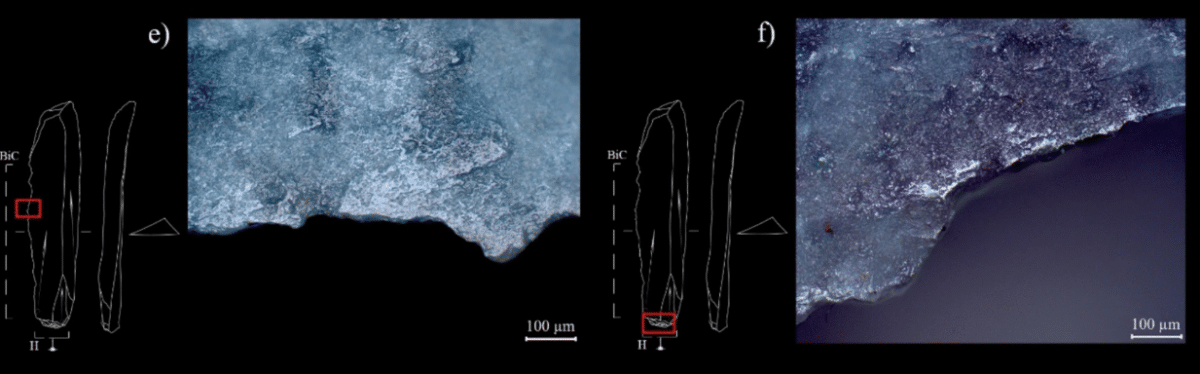
Discovered within a camp surrounded by hearths and butchered bones, the toolkit ties the individual to a social environment, even though the tools also tell a story of lone expeditions for hunting or gathering away from home base. Coverage by New Scientist highlights this remarkable finding, describing it as a peek into what a prehistoric hunter might have carried in a pouch.
The study emphasizes that, had these artifacts been found separately, they would blend into the large number of everyday worn tools commonly discovered at Milovice IV. “It is the context that renders them extraordinary,” the authors assert. Today, the 29 blades and bladelets are carefully stored at the Czech Academy of Sciences, where they remain available for further examination as experts continue unraveling the site’s formation processes.
- Categories:
- Science








0 comments
Sign in to Comment