
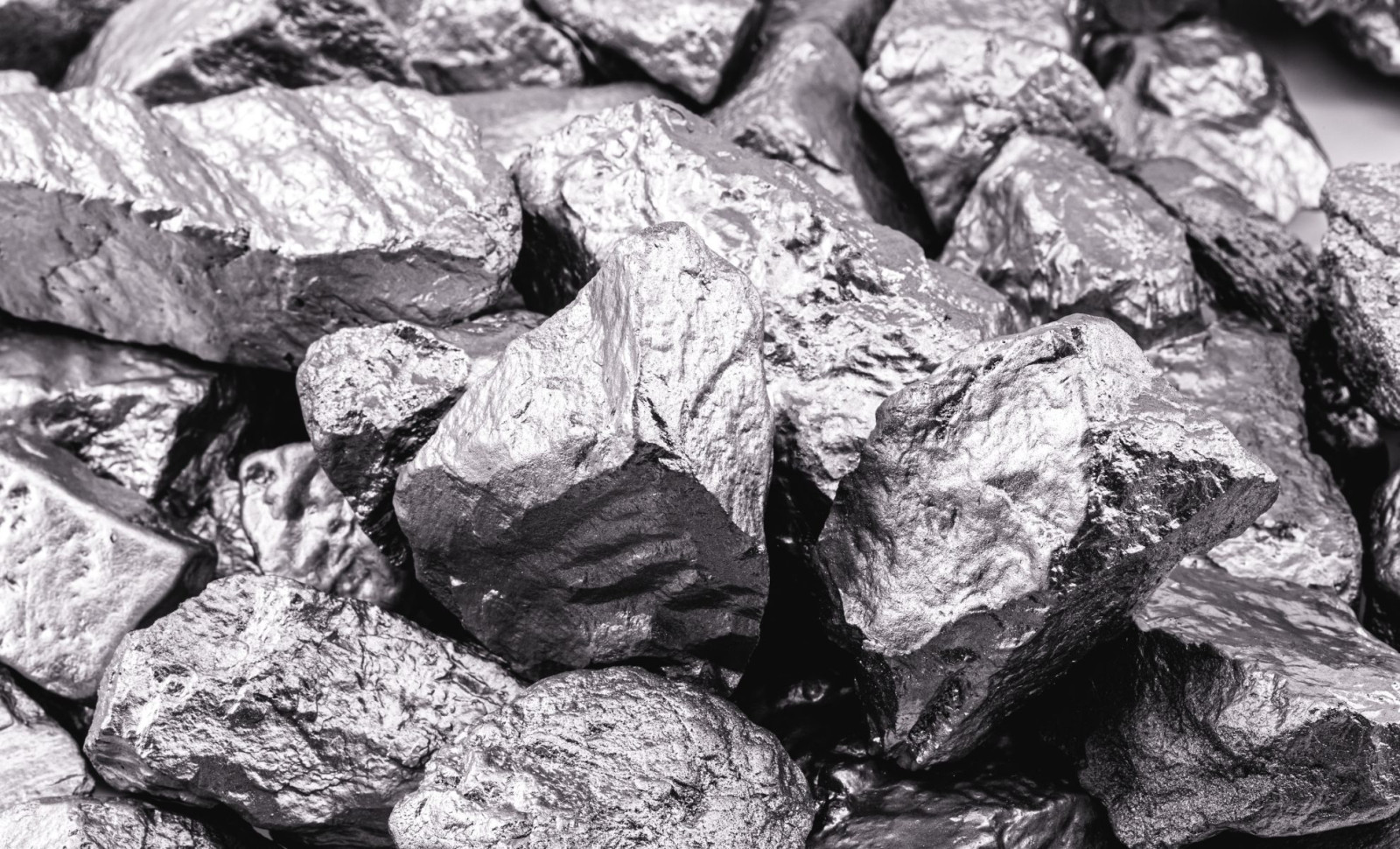
Billions of years ago, Earth's seas contained virtually no metals, yet tiny organisms managed to survive by relying on molybdenum, a rare and precious metal. Recent research reveals that this scarce element played a critical role in fueling early biological systems.
Published in Nature Communications, this study sheds light on the biochemical tools that might have supported Earth's very first life forms. Understanding how early microbes utilized limited metals raises fascinating questions about potential life-supporting elements on other planets.
Tracing the Origins of Molybdenum in Life Processes
Today, molybdenum is indispensable, forming the core of crucial enzymes that govern key biochemical pathways involving carbon, nitrogen, and sulfur cycling. As Betül Kaçar, leader of the Kaçar Lab at the University of Wisconsin-Madison and senior author, explains:

“Asking when life began using molybdenum is really asking when some of the most consequential metabolic strategies became possible.” Without this metal, vital reactions in living cells would proceed far too slowly to sustain life as we know it.
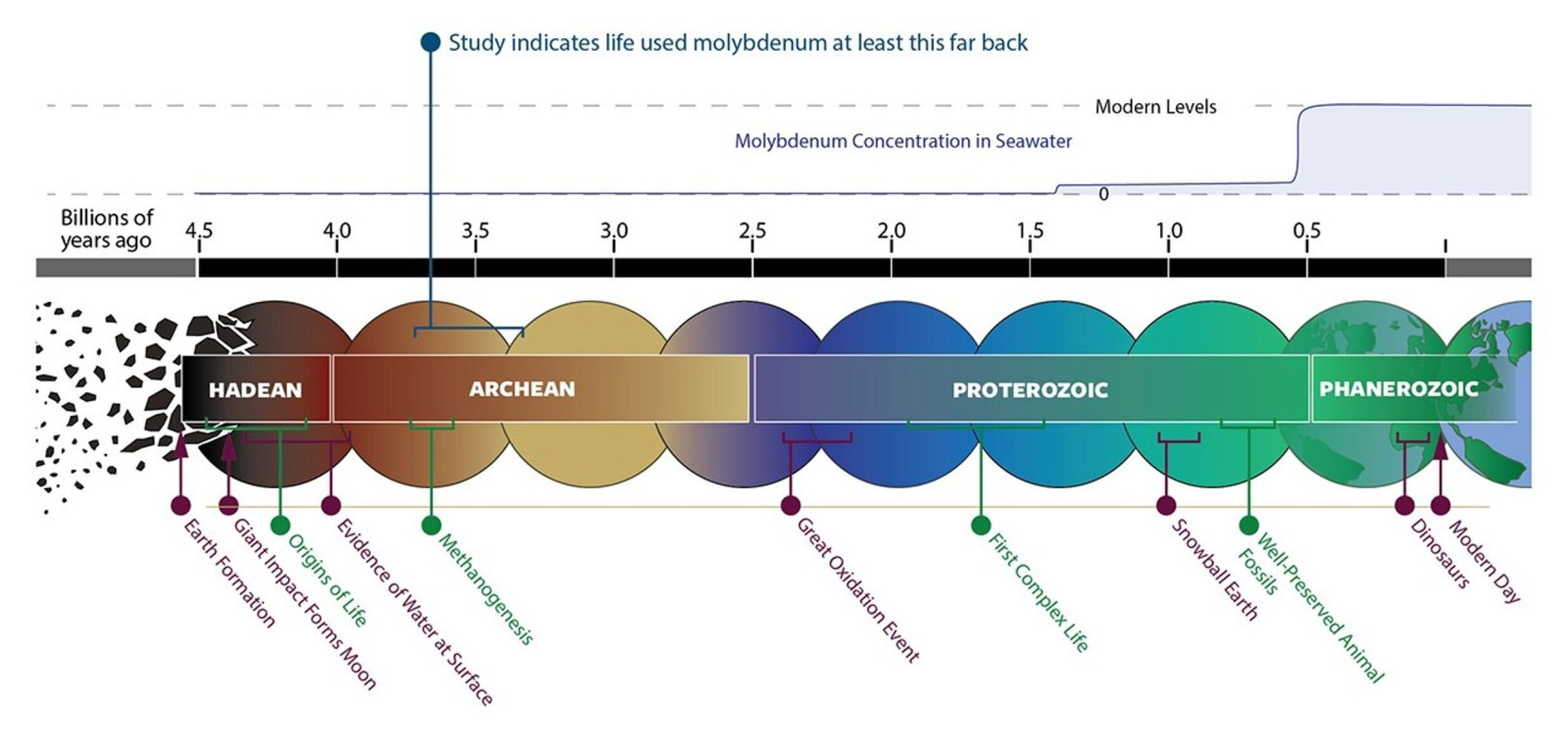
Researchers have long debated when molybdenum became utilized by early life, given its rarity during Earth's infancy. Earlier ideas proposed that life might initially have leveraged tungsten instead, only switching to molybdenum later. New findings, however, demonstrate that enzyme systems based on both metals date back to the Archean eon.
“Our work shows that early life likely worked with both metals rather than following a ‘tungsten first, molybdenum later’ story,” she adds.
The molecular clock data from the study places molybdenum utilization between the Eoarchean and Mesoarchean periods, approximately 3.7 to 3.1 billion years ago. This contradicts the notion that molybdenum became essential only after the Great Oxidation Event.
The Role of Hydrothermal Vents in Metal Availability
How did microbes obtain molybdenum in such a metal-deficient world? The key may lie in extreme environments deep on the ocean floor. As noted by Phys.org, hydrothermal vents released trace metals like iron, zinc, copper, nickel, manganese, vanadium, molybdenum, cobalt, and tungsten. These submarine chemical factories, which still actively operate today, could have acted as vital supply hubs for ancient microbial ecosystems.
Supporting this, recent research from the MUSE ICAR Astrobiology Consortium at UW-Madison identified specific environmental niches where early life forms might have accessed pockets of molybdenum and other scarce metals. Kaçar elaborates:
“Even if Archean seawater held little dissolved molybdenum overall, localized systems such as hydrothermal vents could still have supplied usable amounts of molybdenum and other metals.”
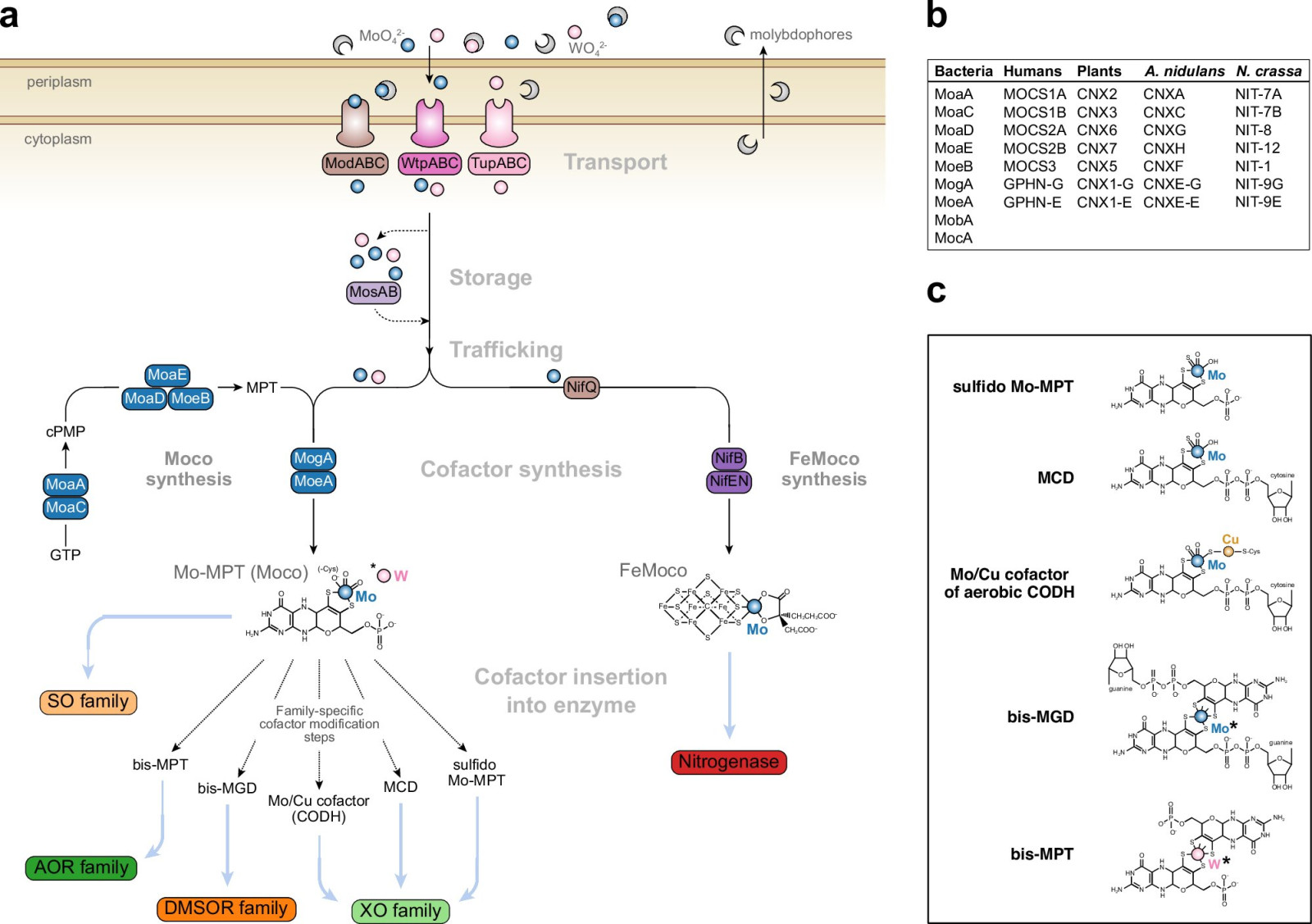
Interestingly, molybdenum’s relative rarity did not reduce its significance to early life. Its distinct catalytic characteristics made it a favored element despite the challenge of acquiring it. According to Kaçar:
“Molybdenum may have been worth ‘choosing’ because it enables catalysis across a broad range of substrates and redox conditions. In other words, scarcity did not make molybdenum unimportant; its catalytic advantages may have made it worth evolving ways to acquire and use.”
Implications for the Quest to Find Life Beyond Earth
By revealing how early life harnessed limited resources and adapted to use specific metals, this research compels a rethink in the search for life on other planets. Simply seeking “Earth-like” environments might overlook diverse biochemical possibilities. As Kaçar states:
“Our NASA ICAR shows that mapping the evolutionary history of bio-essential elements on Earth can help us predict what life on other worlds might use, and that different abiotic inventories could lead to different biological element choices.”
This perspective suggests that alien life could follow biochemical pathways distinct from those on Earth, shaped by unique oxygen levels and metal availability on their planets. Consequently, astrobiologists must embrace flexible strategies instead of rigidly expecting life to mirror Earth’s known patterns.
“Life detection should be metal-aware, redox-aware, and evolution-aware. We should look not just for ‘Earth-like life now,’ but for biochemical strategies that would make sense on a planet with a different history of oxygenation and metal availability,” Kaçar concludes:
- Categories:
- Science








0 comments
Sign in to Comment