
Deep within a limestone cave on the Gower Peninsula in southern Wales, eleven parallel red lines have been dated to approximately 17,000 years old, potentially representing the oldest rock art discovered in the United Kingdom. These marks are found in Bacon Hole, a cave situated in cliffs overlooking the Bristol Channel, first documented over 100 years ago.
A recent study published in Quaternary employed pigment composition analysis and uranium-thorium dating of mineral deposits overlaying the lines to confirm their human origin, reigniting a debate that began when the artwork was initially discovered and later dismissed in the early 1900s.
Rediscovery of a Long-Forgotten Rock Art Panel
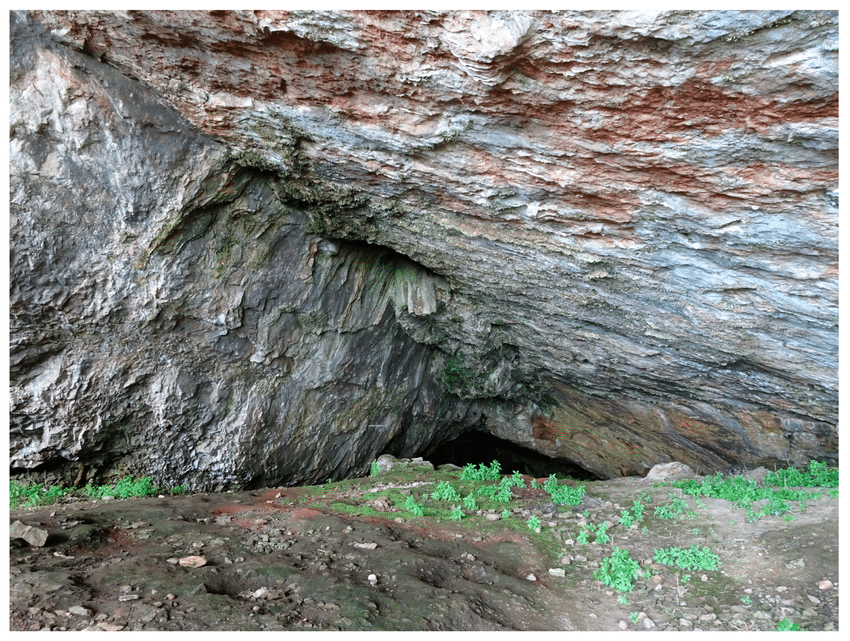
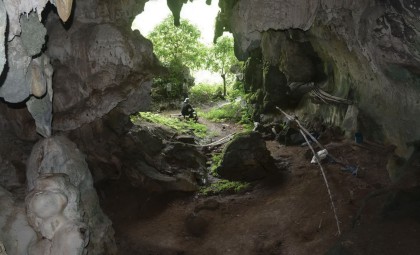
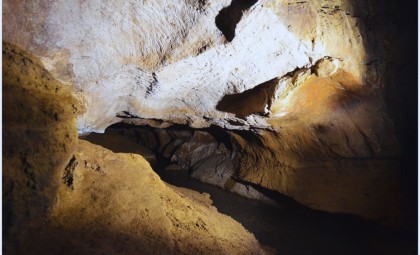
Bacon Hole is located within the Pennard parish, embedded in the limestone cliffs of southern Gower with a vantage point over the Bristol Channel. The red-lined panel lies in a side gallery to the east of the cave's main chamber, an area completely devoid of natural light. Access involves descending a steep path along the cliff edge.

The artwork was first documented in 1912 by geologist William Sollas and prehistoric archaeologist Henri Breuil, who interpreted the eleven red lines as the earliest example of Upper Palaeolithic cave art found in Britain. Their claim garnered international attention at the time.

However, by 1928, further investigations attributed the red lines to natural mineral staining from iron oxides seeping through the rock, leading to skepticism surrounding their human origin. This caused the site's exact location within the cave to lapse into obscurity for many decades.
The panel was only relocated in September 2022 by an international group of researchers. Follow-up studies over the next two years combined modern imaging techniques and laboratory tests to determine if the markings were intentional artworks or natural phenomena.
Hand-Applied Hematite Pigment Confirmed by Scientific Analysis
After relocating the panel, the team captured detailed high-resolution photographs of the rock surface. These images were enhanced using D-Stretch, a digital imaging method frequently utilized in archaeology to reveal faint or obscured patterns.
In April 2023, the First Art project collected pigment fragments from the painted surface to analyze organic components and differentiate between natural mineral deposits and manufactured pigment, a key question driving the investigation.
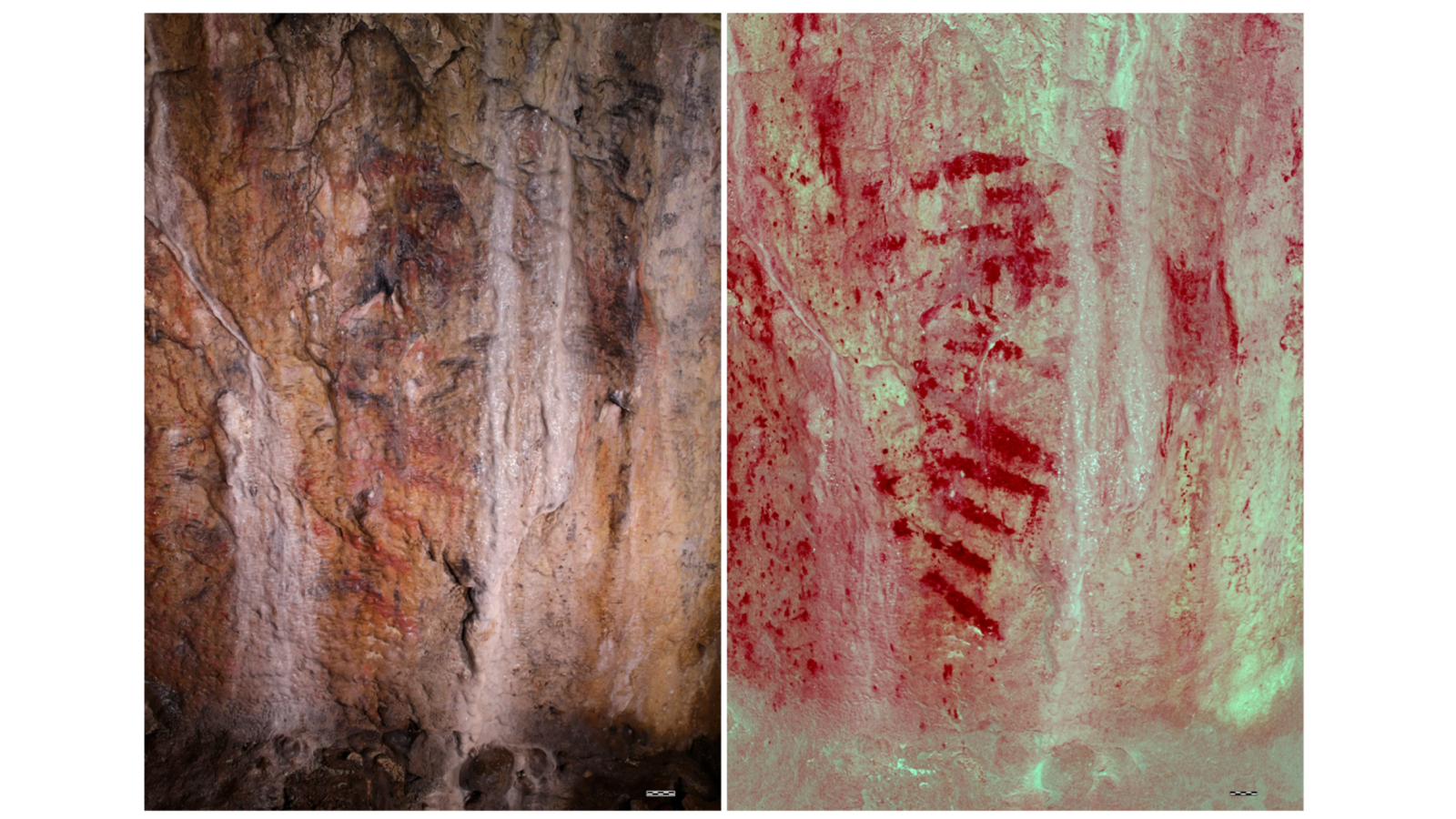
Spectroscopic analysis identified the pigment as hematite, an iron oxide commonly utilized by prehistoric peoples for painting. Although hematite occurs naturally in parts of the cave, the researchers also found finger-made dots and tiny splatters of pigment nearby, which are unlikely to be formed by natural processes. Furthermore, the uniform spacing of the eleven lines suggests intentional creation rather than random mineral deposits.
Uranium-Thorium Dating Estimates the Imagery at Around 17,000 Years Old
To establish when the lines were created, a University of Southampton team sampled the thin layer of white calcite that has grown over the painted surface. Uranium-thorium dating uses the decay of uranium isotopes trapped in calcite to determine the minimum age of the overlying layer.
One dating result placed the calcite formation—and therefore the painting’s minimum age—at about 17,000 years before present, coinciding with the late Upper Palaeolithic period in Britain. To validate the result, an independent lab at Nanjing Normal University performed additional uranium-thorium tests.
However, some calcite samples indicated younger ages, which researchers attribute to newer mineral layers forming due to groundwater infiltration over millennia, complicating precise dating. The authors emphasize caution in interpreting these dates and note the possibility of uranium loss skewing age estimates older.
As highlighted by Live Science, the team acknowledges their findings rely largely on a single set of measurements and call for further investigation of the cave to corroborate the results.
Human Presence at Bacon Hole Spanning Millennia
Evidence from Bacon Hole indicates occupation spanning thousands of years beyond the Upper Palaeolithic. Archaeologists have uncovered artifacts such as pre-Roman pottery shards, Roman bone pins, Irish brooches dated to the 7th century, Saxon beads, and medieval cooking pots, underscoring the cave's long history as a site of human activity.
Notably, in 1894 a local fisherman left his own graffiti marks on the cave walls, layering modern elements atop an ancient cultural landscape. The cave's accessibility from the nearby shoreline likely contributed to its repeated use over centuries.
Study first author George Nash, an archaeologist at the University of Liverpool, told Live Science that the location of the red-lined panel, deep in the darkest part of the cave, may be significant. “The darkness itself may have been an essential part of the ritual experience,” Nash said. He added that practical explanations alone, such as access to food resources on the plain and coastline below, may not fully account for why people kept returning to this particular chamber.
While Bacon Hole is not officially protected as a Scheduled Monument, it lies within an Area of Outstanding Natural Beauty and is recognized as a Site of Special Scientific Interest. The cave remains under the stewardship of the National Trust.
- Categories:
- Science



0 comments
Sign in to Comment