
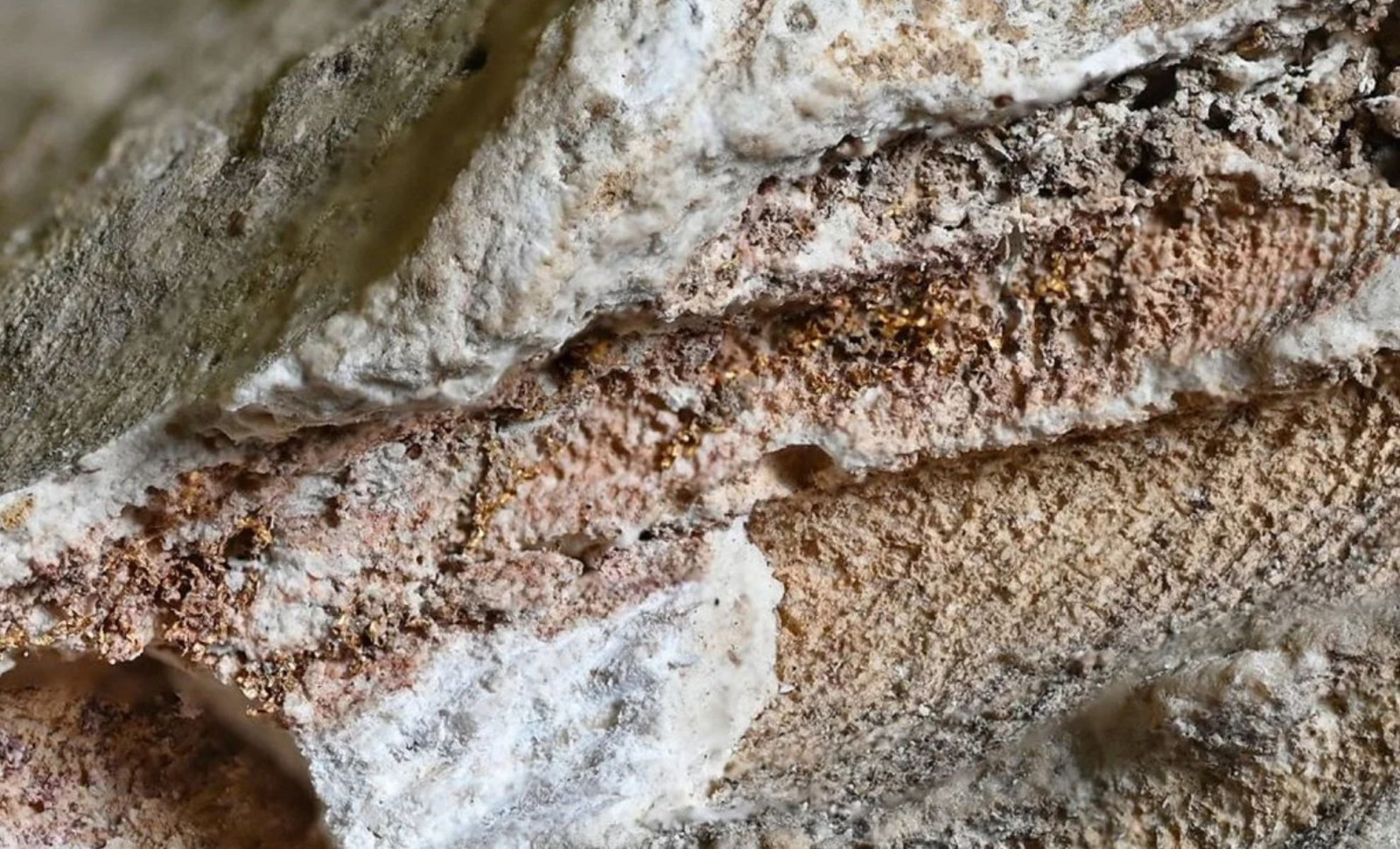
Archaeologists examining infant graves in Roman York uncovered remnants of Tyrian purple, a highly valuable dye in antiquity. These pigment traces were found on textile fragments preserved for almost 1,700 years inside gypsum burials, providing rare insights into the wealth and burial traditions of Roman Britain.
This revelation emerged from the latest study of burials curated by the York Museums Trust. Experts from the University of York also detected gold thread woven into the cloth, highlighting the elite rank of the families involved.
As a prominent city in Roman Britain, York was linked to extensive trade networks across the empire. Luxurious goods from far-flung regions reached the city, yet evidence of clothing is scarce due to the fragile nature of textiles decaying over centuries.

Exquisite Purple Dye Once Reserved for the Elite
The graves date to the late third or early fourth century A.D. One tomb contained a two-year-old child interred with two adults in a stone coffin, while another held an infant of only a few months old within a lead coffin. Maureen Carroll, project lead at the University of York, noted this as the first confirmed use of Tyrian purple in Roman York.
“Traces of purple were not always visible on the gypsum surface, but chemical analysis has rewarded us with surprising results.”
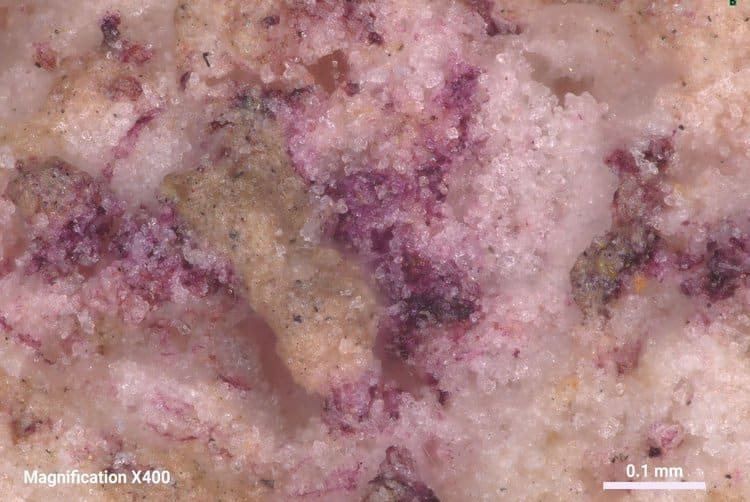
Tyrian purple dye was extracted from murex sea snails and primarily manufactured in the ancient Phoenician city of Tyre, now in modern Lebanon. Producing this dye was labor-intensive, involving the crushing of thousands of shellfish to yield a minuscule amount of pigment.
Its rarity made Tyrian purple extremely costly — during Roman times, its price per weight was reputedly several times that of gold. The color became a powerful emblem of wealth, imperial authority, and elite social rank.
Gypsum Encasing Preserved Ancient Fabrics
The unique use of gypsum in burials around Roman York helped protect these delicate textiles from deterioration. As the liquid gypsum solidified around the wrapped bodies, it formed a hard protective layer that conserved burial details.
Faint purple stains were occasionally visible on the gypsum surface, but many dye traces remained invisible without advanced testing. Jennifer Wakefield, who led lab investigations at the University of York, explained that chemical analyses uncovered dye residues undetectable during preliminary visual checks.
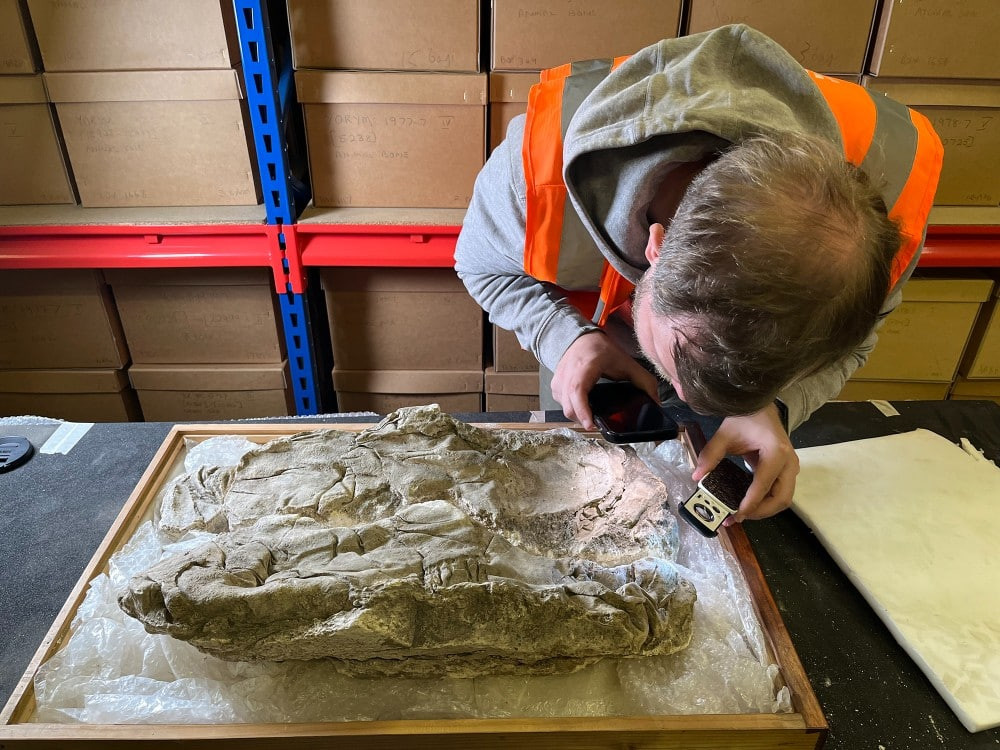
Analysis using liquid chromatography–tandem mass spectrometry (LC-MS/MS) confirmed the dye as authentic Tyrian purple, distinguishing it from other red or violet hues sometimes found in Roman textiles.
The gypsum burial technique is relatively rare compared to other burial customs across Britain and Europe. Adam Park of the Yorkshire Museum commented:
“Taking part in this multidisciplinary project with the University of York has been a truly rewarding experience.”The discovery of the purple dye, and the research it inspired, is providing exciting new insights into Roman York.”
Insights into Roman Mourning Practices for Infants
This finding prompts a reevaluation of Roman attitudes toward infant death. While infant mortality was widespread and public mourning for young children was often limited, the presence of luxurious purple fabrics and gold thread indicates funerals were conducted with notable care. Carroll emphasized that some families chose to invest heavily in burial rites for infants despite their high mortality rates.
This is only the second confirmed occurrence of Tyrian purple in Roman Britain textiles, the first stemming from the Spitalfields woman burial in London, dated around the same era and discovered in 1999.
Scientists are eager to continue examining gypsum burials throughout York and the broader North Yorkshire region to uncover more preserved textiles and dye traces from the ancient past.
- Categories:
- Science





0 comments
Sign in to Comment