
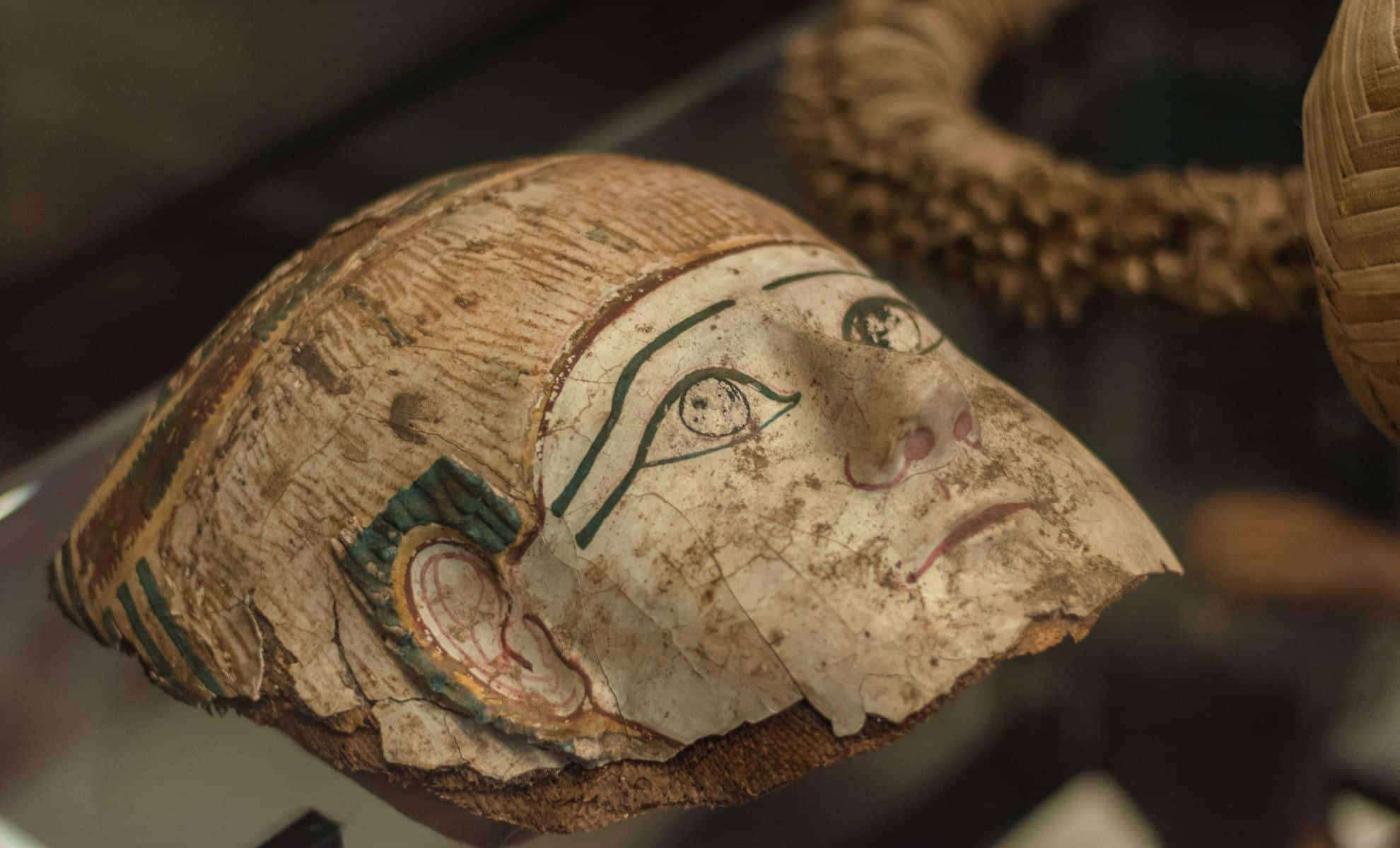
Recent research published in American Antiquity has transformed our understanding of the earliest human inhabitants of North America. Central to this discovery is the Spirit Cave Mummy, the world’s oldest known mummy, whose DNA has established a direct genetic link between ancient peoples and contemporary Native American tribes—challenging long-held anthropological beliefs.
From Forgotten Artifact to Legal Milestone
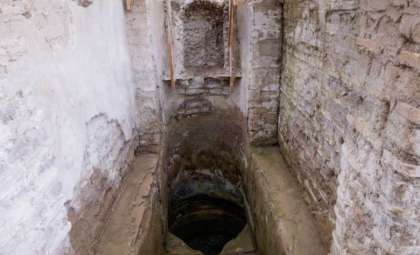
Discovered in 1940 by Sydney and Georgia Wheeler in Spirit Cave, Nevada, the preserved remains of an individual dated back more than 10,000 years.
Originally thought to be just a few thousand years old, the mummy was exhibited at the Nevada State Fair and eventually stored at the Nevada State Museum, where it remained largely overlooked for decades.

Everything changed in 1997 when radiocarbon dating revealed the remains to be approximately 10,700 years old. This made it the oldest naturally mummified human discovered to date.
Struggles for Repatriation and Ancestral Recognition
The Fallon Paiute-Shoshone Tribe immediately identified the mummy—whom they name The Storyteller—as a direct ancestor and sought its repatriation under the Native American Graves Protection and Repatriation Act (NAGPRA). Their claim was initially rejected.
The Bureau of Land Management contended that the remains belonged to Paleoamerican populations, thought to be genetically distinct from current Native peoples.
Over twenty years, the tribe persisted, and in 2018, genomic studies of the ancient DNA uncovered an uninterrupted genetic connection between the Spirit Cave individual and present-day Native Americans.

Tracing 11,000 Years of Indigenous Presence in Nevada
Expanding on these findings, the research team recently analyzed ancient stone tools from Nevada’s Lahontan Basin to chart human occupation patterns. Their study highlights how Indigenous groups adapted to environmental shifts throughout the past 11,000 years.
The Lovelock culture, once thought extinct after 1250 A.D., is now understood to have endured and integrated with incoming Numic-speaking communities during a prolonged drought known as the Late Holocene Dry Period.
Reevaluating the Paleoamerican Theory
This breakthrough challenges long-standing assumptions that early North American settlers were replaced by genetically unrelated peoples. Instead, the DNA from the Spirit Cave Mummy supports a single migratory event, showing a largely continuous and isolated lineage.
Such evidence aligns with the oral histories of tribes like the Fallon Paiute-Shoshone, who have always maintained ancestral ties to this land.
One Mummy’s Profound Impact on a Continent's Narrative
The tale of Spirit Cave Man extends beyond archaeology—integrating genetic science and Indigenous knowledge, it reshapes not only academic perspectives but also the legal and cultural dynamics concerning Native ancestral remains. Today, the Fallon Paiute-Shoshone honor the Spirit Cave Mummy as The Storyteller for its enduring legacy.
- Categories:
- Science





0 comments
Sign in to Comment