
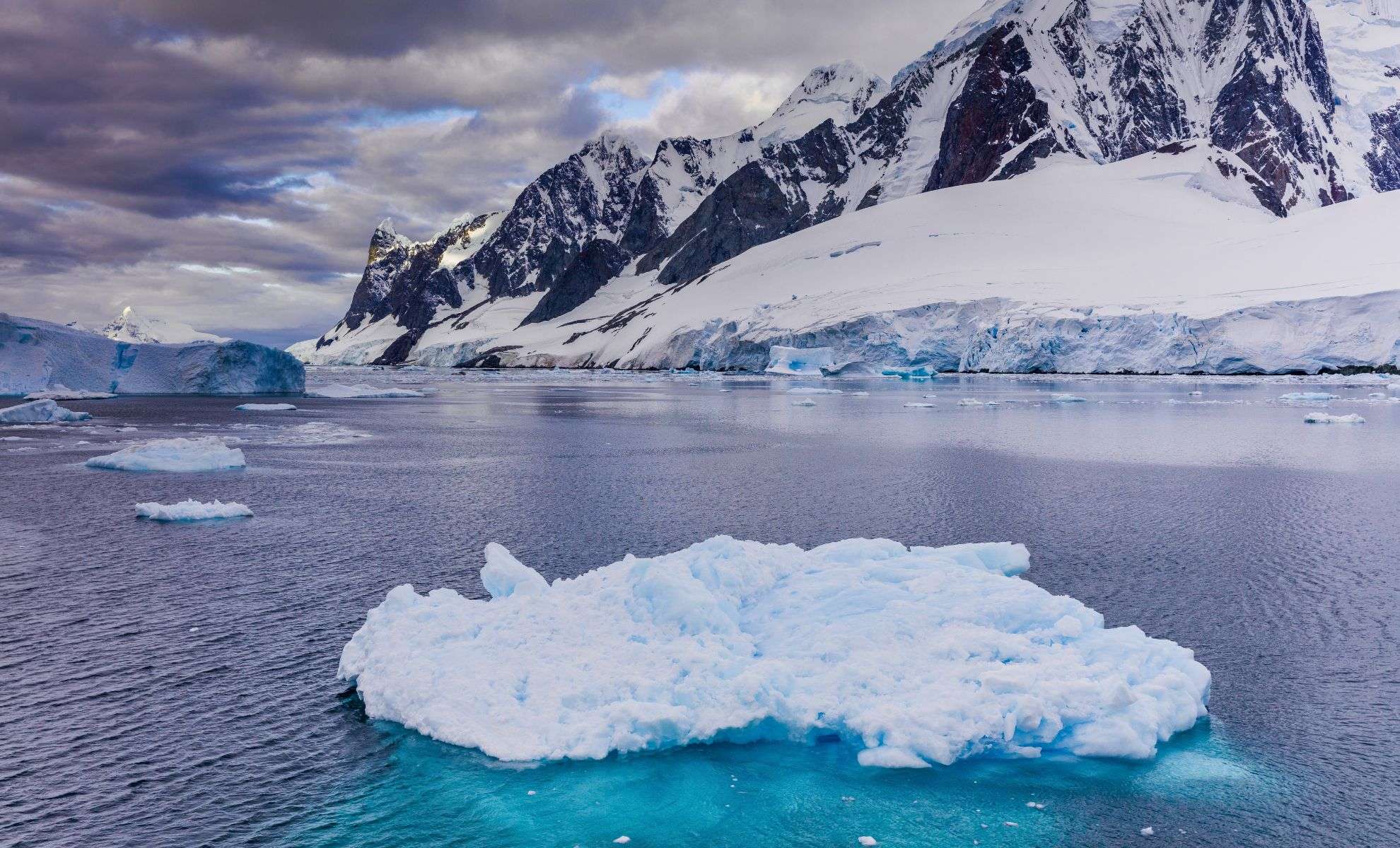
Microscopic algae beneath Antarctic sea ice once played a crucial role in mitigating climate change but are now diminishing, potentially hastening the warming they once helped slow. A recent publication in Nature Geoscience highlights how the algae species Phaeocystis significantly contributed to cooling the planet during a pivotal climatic era.
The Forgotten Bloom That Halted Climate Warming
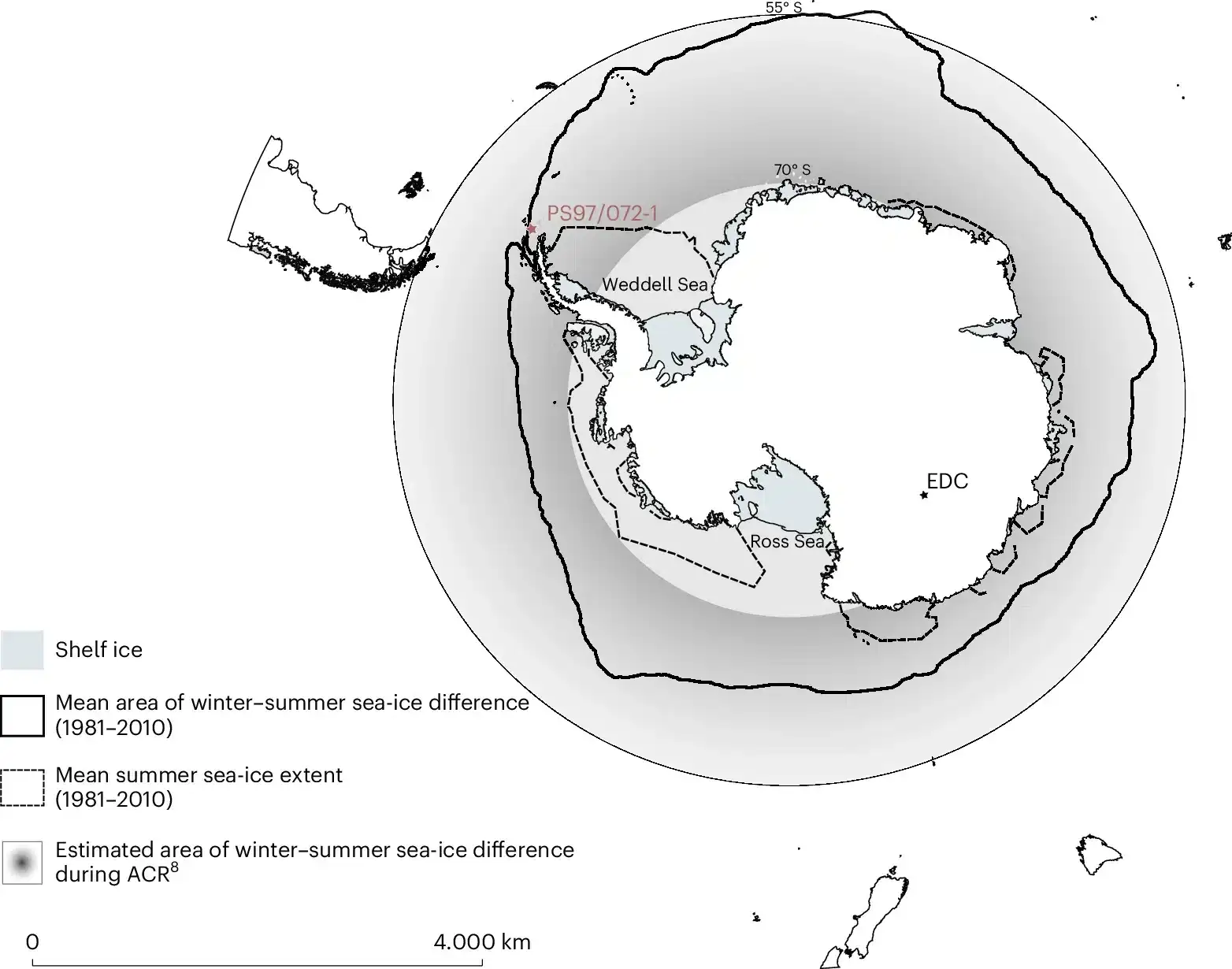
About 14,000 years ago, as the last Ice Age was ending, the Southern Hemisphere experienced an unexpected climatic event called the Antarctic Cold Reversal, marked by prolonged winters and extended sea ice, followed by rapid spring melting. These unique conditions fostered a remarkable biological bloom.
Thanks to nutrient-rich meltwater, vast blooms of Phaeocystis flourished across the Southern Ocean. These blooms absorbed tremendous amounts of carbon dioxide from the atmosphere and stored it deep in the ocean for centuries, acting as a powerful carbon sink. This natural process remained undetected for decades because Phaeocystis does not leave behind visible fossils.

This enigma began to unravel when scientists at the Alfred Wegener Institute utilized ancient DNA analysis on sediment cores taken from nearly 2,000 feet beneath the Bransfield Strait. They uncovered genetic evidence of Phaeocystis dating back to the Cold Reversal period, confirming these algae's significant role in global climate regulation.
Beyond Carbon Sequestration: Vital Ecosystem Engineers
These algae serve as a foundational food source for tiny creatures like zooplankton, which in turn feed fish, seabirds, and large marine mammals such as seals and whales. Vigorous algae blooms support a thriving food chain, while their decline threatens ecosystem stability.
Additionally, Phaeocystis emit dimethyl sulfide (DMS), a sulfur compound that encourages cloud formation. These clouds reflect sunlight back into space, helping to cool the Earth’s surface. A reduction in these algae populations may lead to lower cloud coverage and increased solar radiation reaching the planet.
Melting Ice Threatens the Algal Bloom Cycles
Recent data reveal a sharp decline in Antarctic sea ice, disrupting the seasonal patterns that once nurtured these massive algae blooms. Reduced winter ice lowers the production of nutrient-enriched meltwater in spring, directly curtailing Phaeocystis growth.
The same sediment samples that unveiled ancient DNA also showed elevated barium-to-iron ratios — markers of organic matter descending to the ocean bed. These increases coincided with past spring melts and algae bloom occurrences, illustrating a clear link: more sea ice drives more meltwater, leading to larger blooms and greater carbon sequestration.
Lead researcher Josefine Friederike Weiß stated, “Our findings demonstrate that these algal blooms were instrumental in significantly decreasing atmospheric CO₂ during a critical climate transition defined by extensive sea ice.”
Revealing Earth’s Past Through Tiny Genetic Clues
While customary climate studies focus on ice cores and trapped gases, this research pioneers the integration of genetic sequencing with geological analysis to uncover how living organisms have helped regulate Earth's climate for millennia.
Ancient DNA preserved in ocean sediments offers insight not only on historical life forms but also on how entire ecosystems reacted to shifting temperatures and ice cover — knowledge crucial for understanding how biological systems continue to influence the rapidly changing climate today.
- Categories:
- News










0 comments
Sign in to Comment