
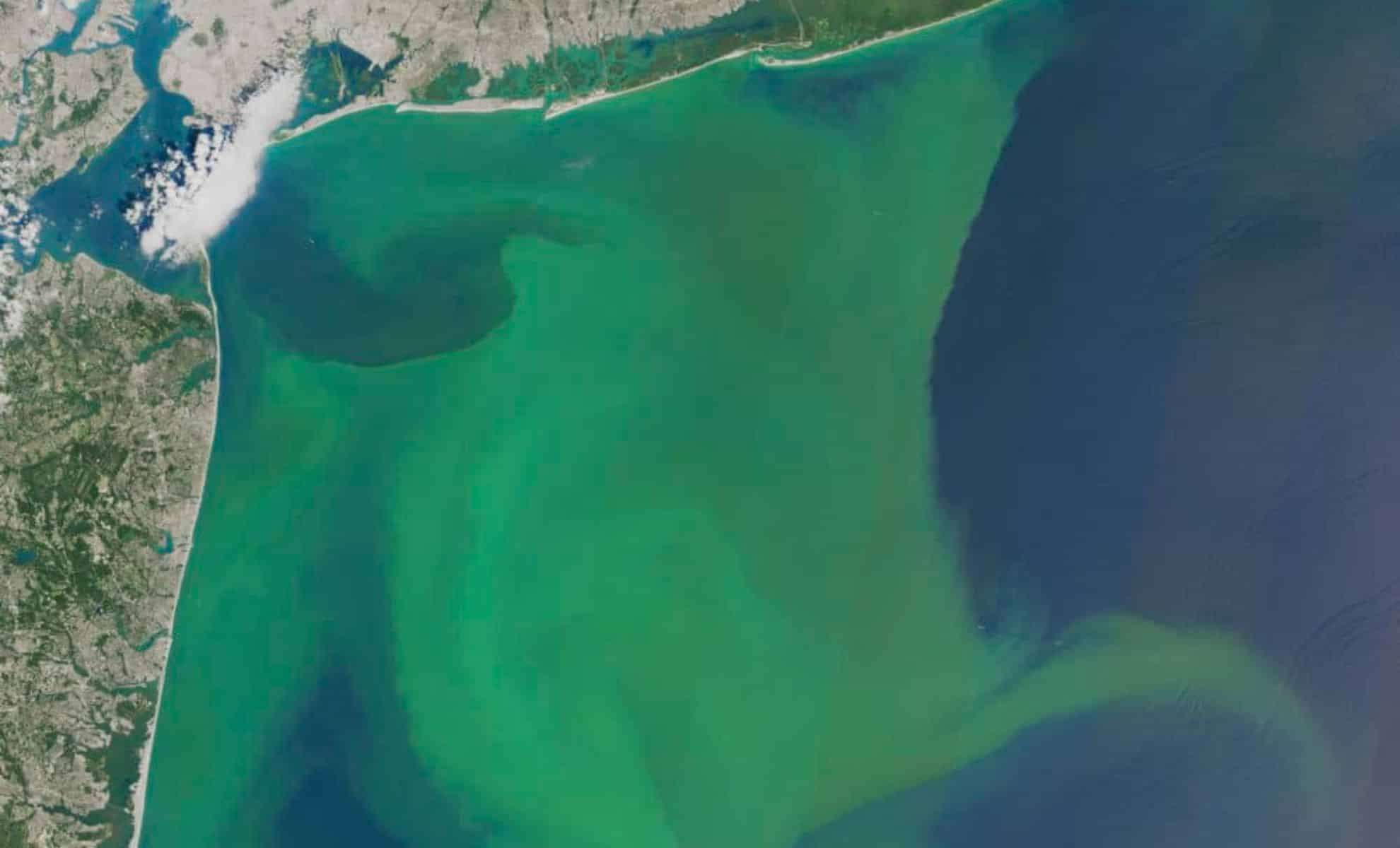
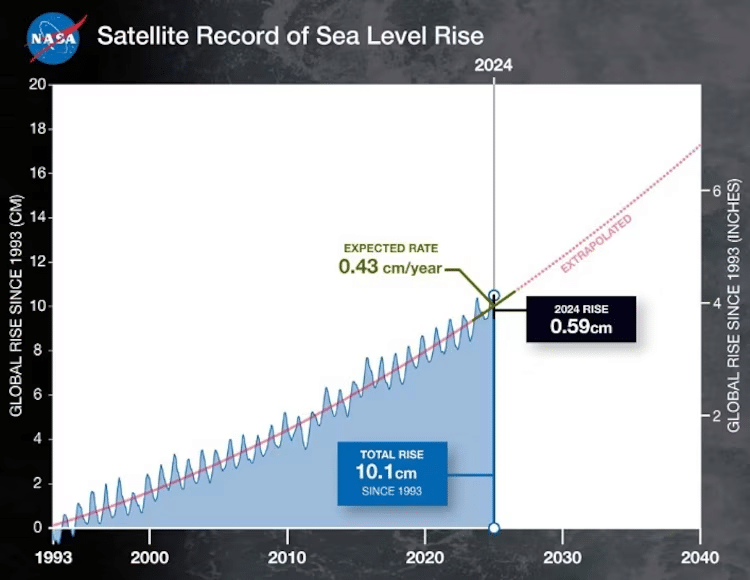
In 2024, researchers observed an unexpected acceleration in sea level rise, with measurements indicating an increase of 0.23 inches annually—surpassing earlier estimates of 0.17 inches. This sharp uptick has prompted urgent investigations, including detailed studies by NASA, which link the trend to ocean heating and the accelerated melting of terrestrial ice.
Unraveling the Causes Behind the Sudden Sea Level Increase
NASA's findings point to thermal expansion—where seawater volume grows as it warms—as the main driver behind the 2024 surge. Historically, sea level rise has resulted equally from this expansion and from glacier and ice sheet melt, but recent observations indicate thermal expansion now contributes around two-thirds of the total rise, marking a shift from prior patterns dominated by ice melt.
Josh Willis, a sea level expert at NASA’s Jet Propulsion Laboratory, explains that while annual variability is typical, the overarching trend toward faster sea level rise is unmistakable. Beyond environmental implications, these changes threaten coastal communities with increased flooding frequency and severity.

The Expanding Consequences of Rising Oceans
The impact of accelerating sea level rise is already evident globally. In Northern California, rising waters have led to heightened flooding and shoreline erosion. Similarly, a Central American Indigenous community is confronting displacement threats due to encroaching ocean waters swallowing their island home.
Scientists caution that this ongoing rise will intensify storm surges, forcing floodwaters further inland during severe weather such as hurricanes. The National Oceanic and Atmospheric Administration (NOAA) also notes that elevated sea levels cause more frequent occurrences of high-tide flooding, sometimes called “nuisance flooding,” which can disrupt communities and lead to costly repairs.
Strategies to Combat the Impact of Sea Level Rise
Given the mounting urgency, a multifaceted approach is essential to limit the damage caused by rising seas. Elevating public understanding about the causes and consequences of sea level rise is a vital first step. Scientists stress the importance of curbing global warming to slow ocean temperature increases and thus reduce thermal expansion effects.
Advocating for climate change mitigation policies, particularly those aimed at lowering carbon emissions, plays a critical role in addressing this challenge at its source. Additionally, public support for leaders prioritizing environmental initiatives can help steer policy in the right direction.
Though the hurdles posed by rising sea levels are formidable, early and decisive actions can minimize risks and safeguard vulnerable populations worldwide.
- Categories:
- News










0 comments
Sign in to Comment