

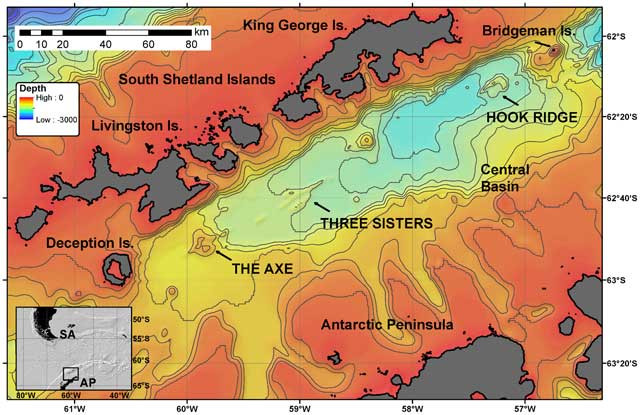
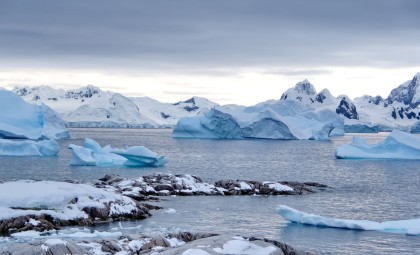
Scientists from the United Kingdom have identified a rare cold volcanic vent beneath the Antarctic waves near the South Shetland Islands. Unlike typical hydrothermal vents known for their intense heat and bizarre ecosystems, the newly discovered Hook Ridge vent is characterized by its cooler temperatures and absence of common vent-dwelling life forms.
Led by researchers at the National Oceanography Center in Southampton, this finding offers new perspectives on volcanic fluid emissions in one of the planet's harshest environments. Normally, hydrothermal vents emit hot, mineral-rich fluids that sustain unique communities of organisms relying on chemosynthesis — a process where life forms convert chemical compounds into energy.
In contrast, Antarctica’s Hook Ridge vent deviates from these familiar patterns, challenging scientists to reconsider what conditions allow life to persist in extreme underwater habitats.

An Unexpected Glow and Elusive Ecosystems Off Antarctica
Hydrothermal vents generally discharge warm, chemically charged water that nourishes specialized ecosystems independent of sunlight. However, at about 1,200 meters deep near Hook Ridge, researchers encountered a faint, gleaming plume not produced by heat but by differences in salinity and other water properties.
“Geochemical measurements of the water column provided evidence of slightly reducing, localized plumes close to the seafloor at Hook Ridge,” explained Dr. Alfred Aquilina, lead author of the study.
Unlike conventional vents that teem with unusual organisms, the Antarctic vent showed a surprising lack of biological presence. Findings published in PLOS One suggest that the vent's irregularity prevents it from consistently delivering the chemicals necessary for chemosynthetic ecosystems to flourish.
Traces of Past Volcanic Activity Revealed
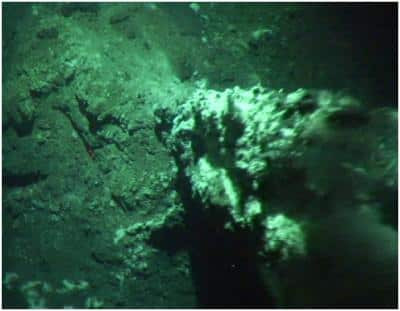
Though no current life was detected near the vent, scientists uncovered a small mineral chimney on the Antarctic seabed, pointing to historical hydrothermal processes.
This chimney formed through mineral deposition, indicating that Hook Ridge once exhibited warmer and more vigorous venting. These remnants hint that the vent may have supported life previously, but its presently erratic behavior likely obstructs a stable habitat for vent-dependent species.
Dr. Aquilina and colleagues suggest that the vent’s fluctuating nature disrupts the steady flow of essential chemicals, explaining the absence of specialized organisms during their exploration.
The Importance of Studying Unconventional Hydrothermal Sites
Even without active life forms, Dr. Aquilina emphasizes that such unusual vents are crucial to understand because Southern Ocean hydrothermal systems might facilitate genetic material exchange between disparate oceanic regions.
“The more hydrothermal vents we can find and investigate, the more we can understand about the evolution and dispersal of the creatures that live off the chemicals expelled in these dark, deep environments,” he said.
This unexpected finding opens new questions about why certain vents, despite containing key chemicals, fail to support biological communities. Exploring these anomalies could deepen knowledge about life’s resilience in the deep sea.
- Categories:
- Science







0 comments
Sign in to Comment