
More than four decades ago, a fossil fragment uncovered in Antarctica has now been recognized as the continent's very first confirmed dinosaur bone. Initially thought to be a piece of a marine reptile, recent research published in Acta Palaeontologica Polonica reveals that it belongs to a titanosaur, a group of gigantic sauropod dinosaurs.
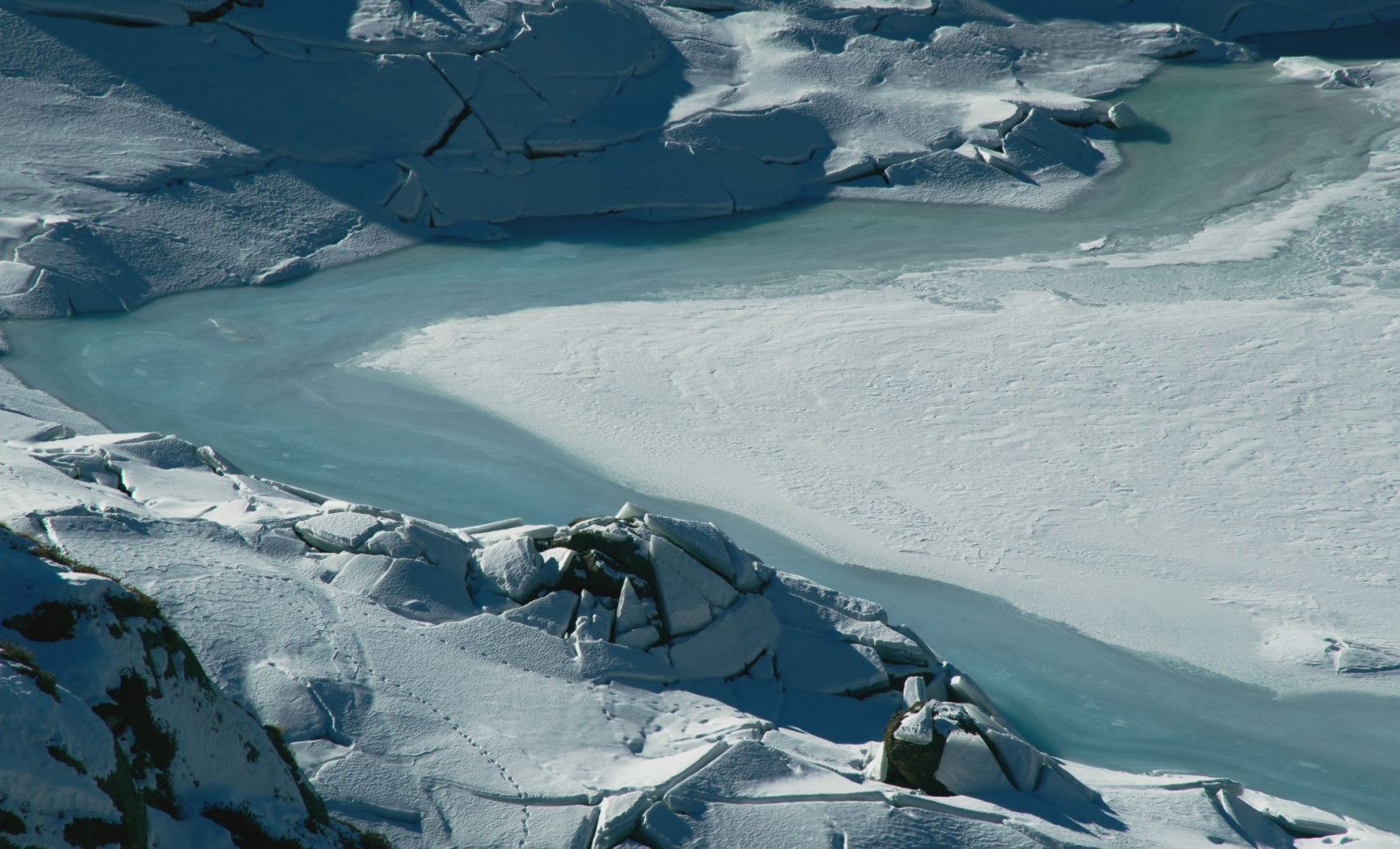
This remarkable specimen was recovered on James Ross Island near the Antarctic Peninsula, an area that today endures an icy and inhospitable climate, far removed from the ecosystems that supported towering land vertebrates. However, millions of years ago, Antarctica was part of a warmer supercontinent in the Southern Hemisphere, featuring lush forests and connected to landmasses that would evolve into South America and New Zealand.
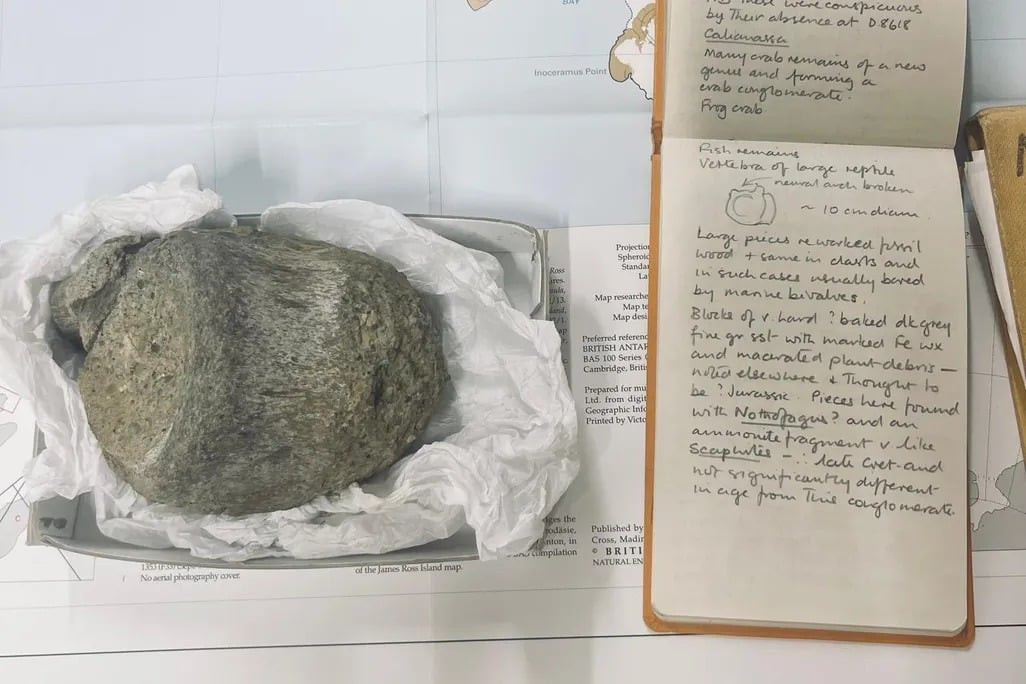
The bone was excavated during a British Antarctic Survey expedition in 1985. Due to the prevalence of marine fossils such as ammonites found nearby, the specimen was initially stored as part of marine reptile remains. Decades later, fresh examination identified the fossil as a dinosaur vertebra.

An Overlooked Relic for Decades
The fossil, collected on James Ross Island, was originally cataloged as belonging to a marine reptile, aligning with field notes from the British Antarctic Survey. This misclassification was understandable given the fossil's fragmentary condition and the abundance of marine life fossils in the same strata. The reinterpretation came after detailed analysis by scientists including Professor Paul Barrett.
“Believe it or not, this is the first bit of dinosaur ever discovered on Antarctica,” he said. “It was overlooked because I think it was misidentified while under harsh field conditions, but it is a sauropod and it’s only the second sauropod bone from the entire continent.”
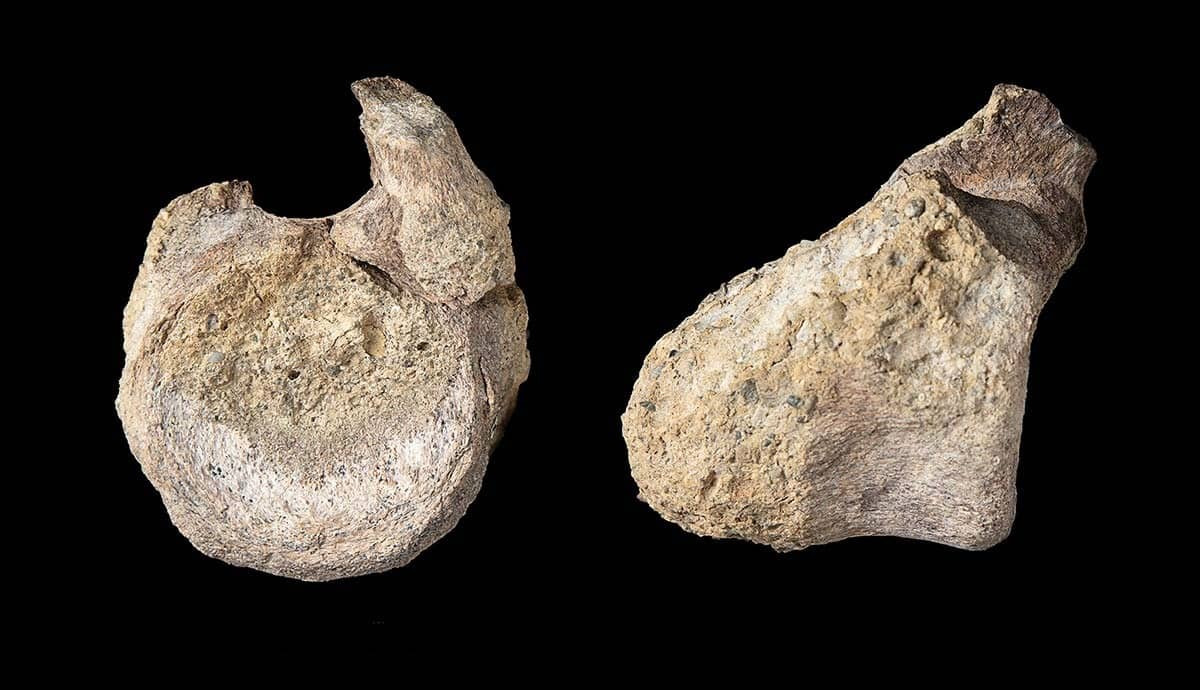
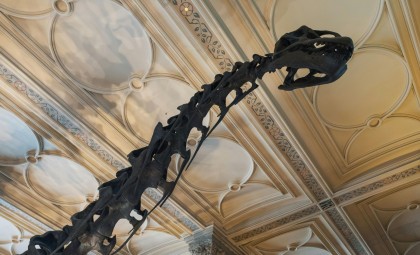
Though limited to just one vertebra, the fossil's features align with those of sauropods, particularly titanosaurs. Size estimates of the bone imply the dinosaur measured approximately six to seven meters long, although it remains unclear if this represented a juvenile or a fully grown, smaller species.
Antarctica’s Ancient Climate Within Reach
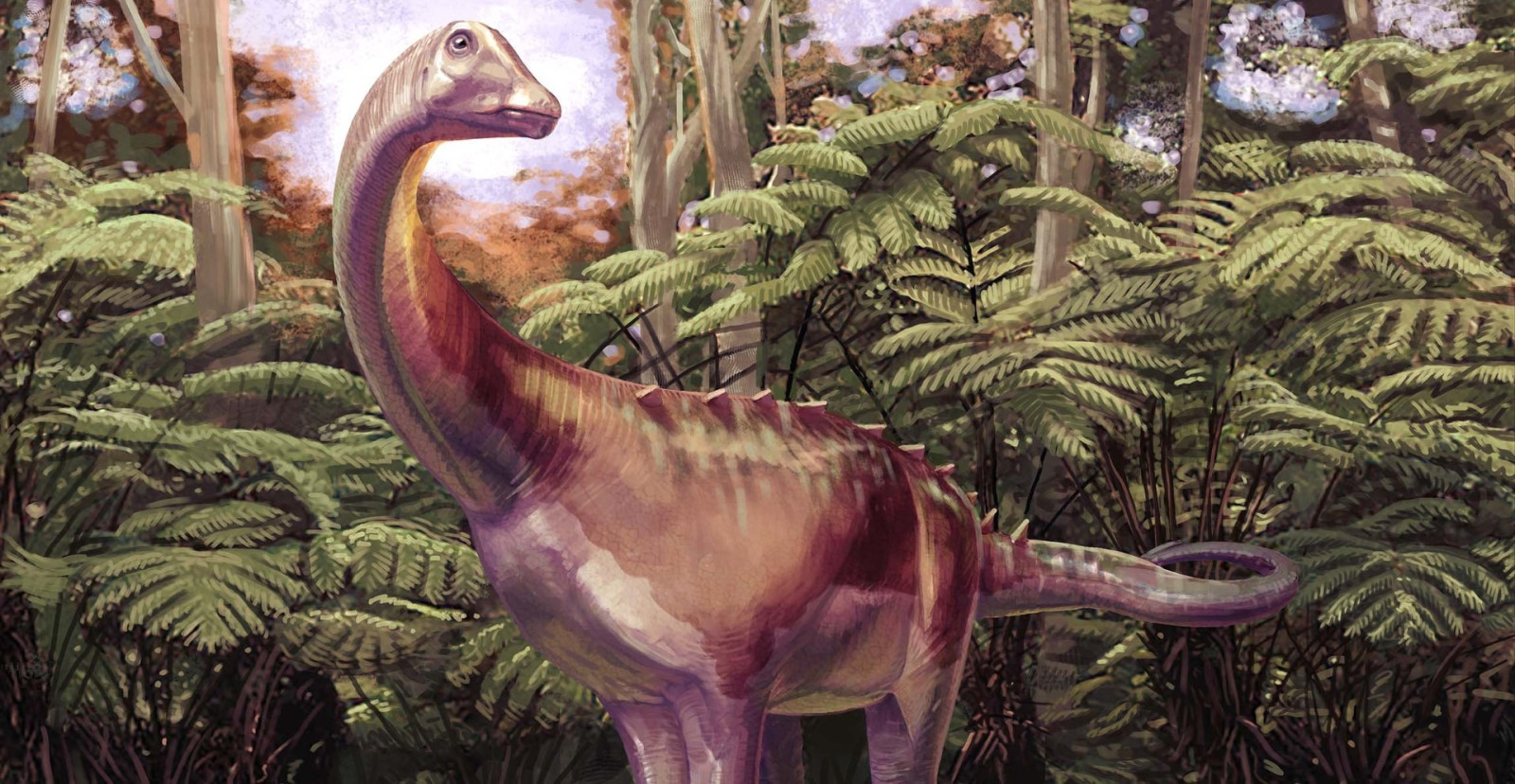
During the Late Cretaceous, Antarctica experienced a climate far removed from today’s frigid conditions. Research in Acta Palaeontologica Polonica describes it as part of a contiguous southern landmass featuring temperate forests dominated by ferns, conifers, and palmlike flora, painting a much greener picture.
Still, the continent's high latitude imposed challenging environmental dynamics, with extended periods of darkness during winter balanced by continuous daylight in the summer. The fossil record indicates a rich dinosaur fauna including small herbivores like Morrosaurus, armored ankylosaurs like Antarctopelta, and predatory species such as Imperobator. Early avian fossils like Vegavis also testify to the diverse life forms inhabiting the region.
As highlighted by the Natural History Museum, the currently known fossils likely represent only a fraction of Antarctica’s prehistoric biodiversity. Due to their scarcity and frequent damage, many species may have gone undiscovered.
A Journey From Land to Ocean
A striking aspect of this discovery concerns the bone’s geological context. Unlike typical terrestrial deposits, the fossil emerged from marine sediments loaded with ammonites. The British Antarctic Survey attributes the presence of ammonites to precise dating of the strata to the start of the Campanian stage in the Late Cretaceous.
The most plausible explanation suggests the dinosaur died on land, and its remains were transported downstream, eventually settling in marine sediment after reaching the sea. Beyond this specific find, the discovery prompts questions about how titanosaurs and other dinosaurs dispersed across connected southern continents during that period.
Titanosaurs have been documented in South America and New Zealand but are yet to be confirmed in Australia. The new research proposes that the Antarctic Peninsula may have once served as a vital land corridor, enabling ancient species to travel between now distant regions.
- Categories:
- News






0 comments
Sign in to Comment