
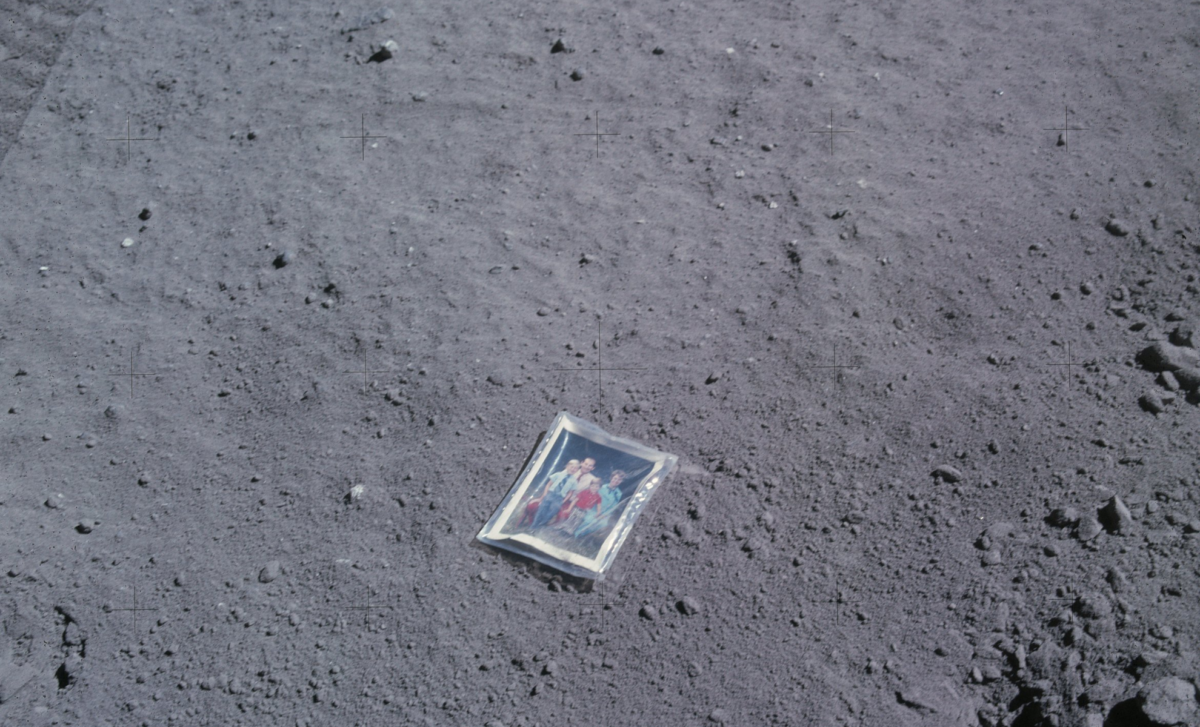
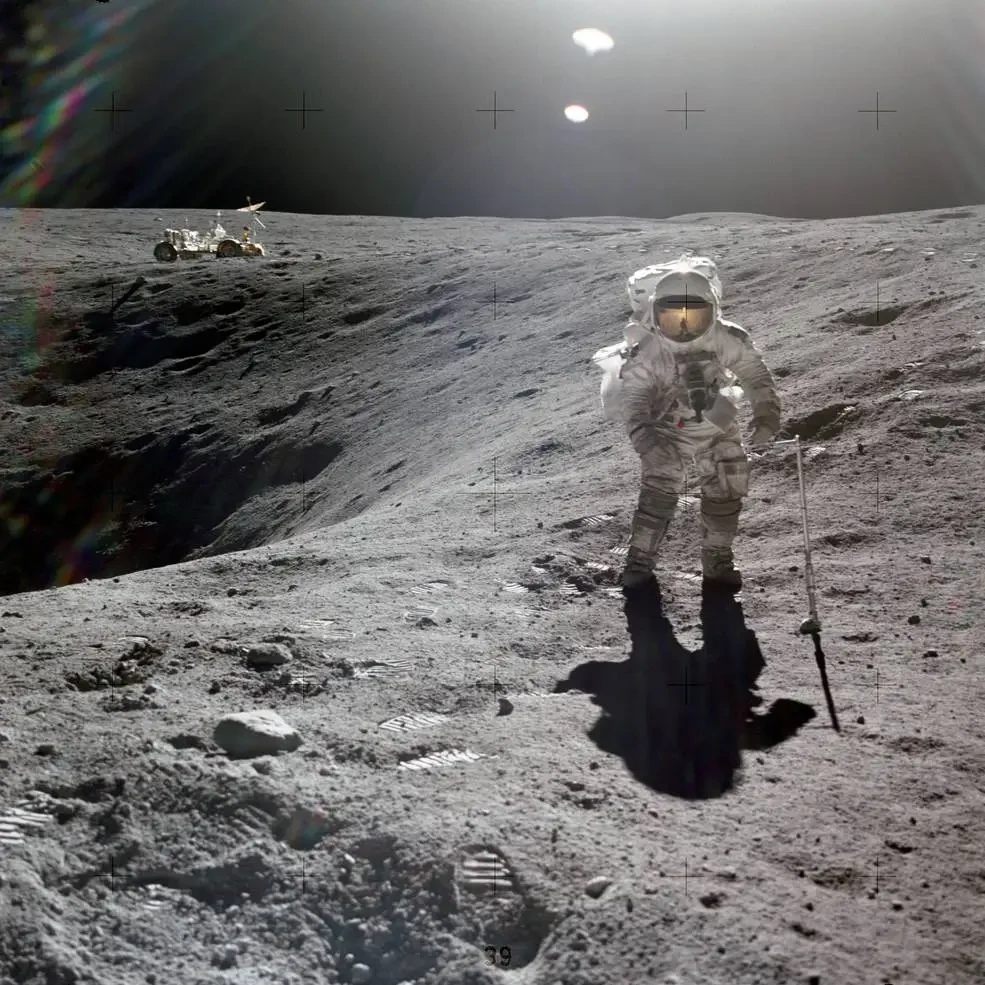
During NASA’s 1972 Apollo 16 expedition, astronaut Charlie Duke left behind more than footprints; he placed a meaningful keepsake on the lunar surface that may still endure. According to NASA archives and mission reports, this cherished family photo has withstood the unforgiving conditions of the Moon for over 50 years, symbolizing a deeply personal imprint of humanity beyond Earth.
A Thoughtful Act Within a Landmark Space Journey
The Apollo 16 flight represented one of the concluding missions of mankind’s initial phase of lunar exploration. For Charlie Duke, however, it signified something more intimate than scientific discovery. Prior to launch, he sought a way to include his family in the experience, aiming to create a shared connection despite the vast distance.
Reflecting on it in a 2015 interview, Duke shared,

“Just to get the kids excited about what dad was going to do, I said ‘Would y’all like to go to the moon with me?’ We can take a picture of the family and so the whole family can go to the moon.”
This heartfelt idea took shape as a small photograph, carefully stowed with the mission supplies. When Duke arrived on the lunar surface, he gently set the photo down—turning it into a symbolic token of his and his family’s presence on an alien world. Amidst the mission’s focus on precision and exploration, this gesture stands out as a profoundly human moment.
A Timeless Message on a Distant World
The photograph carries more than just an image; on its reverse, Duke documented a message for future finders or as a time stamp of that extraordinary moment.
He wrote: “This is the family of astronaut Charlie Duke from planet Earth who landed on the moon on April 20, 1972.”
This note elevates the photo beyond a personal memento, making it a time capsule—a mark of origin and identity left on a body millions of miles from Earth. Official NASA mission archives note that without atmosphere, the lunar environment preserves such objects mostly intact, although radiation and temperature extremes may have changed its appearance.
Survival Against Lunar Extremes
The Moon endures some of the most extreme environmental conditions imaginable. Temperatures fluctuate dramatically between blistering daytime heat and frigid nights. Constant exposure to cosmic radiation occurs due to the lack of atmospheric shielding. In such a hostile setting, most items deteriorate rapidly.
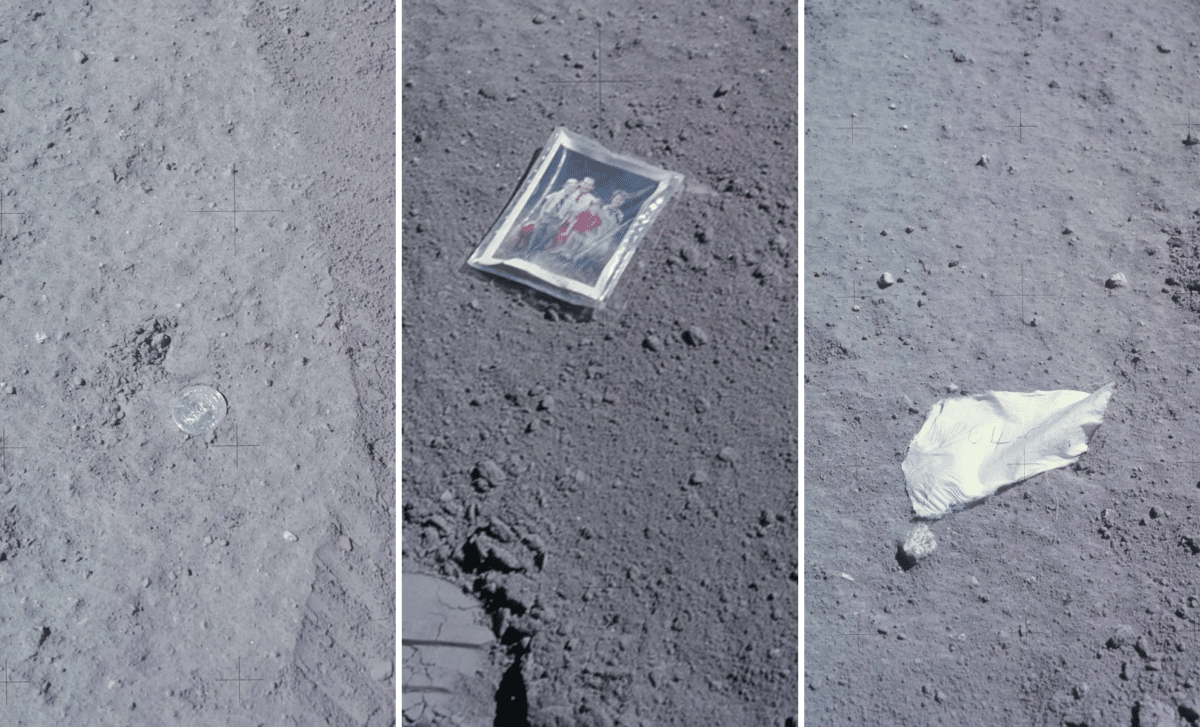
Despite all this, the photograph likely remains in place, if not flawless. Its persistence highlights the vulnerability and resilience of human artifacts left beyond Earth. Unlike engineered equipment or mission flags designed for toughness, this photograph was an everyday object not intended to last decades on the lunar surface.
The ongoing presence of this simple photo raises compelling questions about artifact preservation in space and the fate of human objects left on other worlds. It also illustrates how even the smallest personal items can hold profound symbolic meaning in extraordinary settings.
A Subtle Testament to Human Presence in Space
The Apollo missions are frequently remembered for their technological milestones and geopolitical importance, yet artifacts like Duke’s family photo reveal a more personal side of space travel. They highlight how astronauts carried elements of their private lives into the vast unknown, connecting Earth with the cosmos.
Decades later, this photograph stands as a silent witness to a pivotal human achievement. It doesn’t collect data or perform scientific work, but its significance endures. It embodies connection, memory, and the desire to leave a human imprint far from home.
As upcoming missions prepare to bring humans back to the Moon, objects like this photo serve as poignant reminders that exploration is not only about discovery but also about heritage and identity.
- Categories:
- Nasa








0 comments
Sign in to Comment