

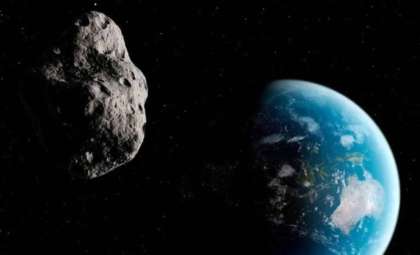
Within our solar system's immense vastness, various space objects traverse steadily, occasionally nearing Earth’s orbit. Among these Near-Earth Objects, the asteroid Apophis—often called the “God of Chaos”—has garnered significant interest from scientists and space agencies ahead of its predicted close approach in 2029. Researchers are actively examining its orbit to assess any potential risks.
Apophis: A Significant Space Object Approaching Earth
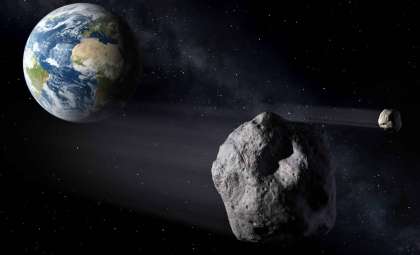
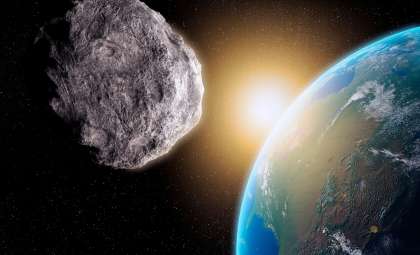
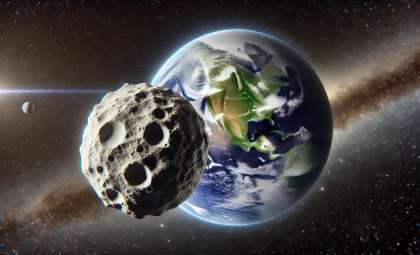
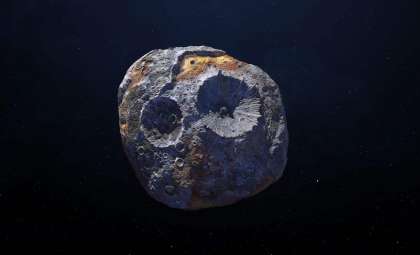
First spotted in 2004, Asteroid 99942 Apophis stands out due to its considerable size and how close it will come to our planet. Named after the ancient Egyptian figure symbolizing chaos and destruction, this asteroid spans approximately 335 to 375 meters across.
Apophis draws particular attention because of its ranking on the Torino Impact Hazard Scale, which estimates the threat level of space rocks on a scale from 0 (no danger) to 10 (certainly catastrophic impact). Presently, Apophis is classified at level 4, reflecting:

- A close passage deserving careful observation by astronomers
- A collision probability of at least 1%
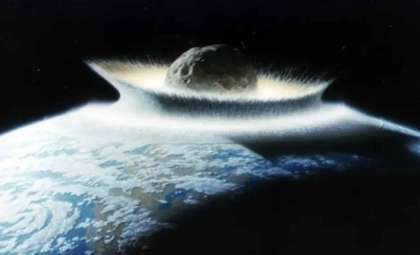
- Potential to cause regional-scale damage if an impact occurs
Although the chance of collision remains low in the near term, its potential consequences make continuous observation essential. Alongside tracking other celestial visitors crossing our cosmic neighborhood, monitoring Apophis is a global priority.
April 2029: Apophis’ Record-Setting Pass
In April 2029, Apophis is scheduled to approach Earth closer than any known asteroid in recent times, passing just about 32,000 kilometers above the surface—closer than many geostationary satellites.
This rare event presents a golden opportunity for scientific discovery and public interest. The European Space Agency (ESA) has initiated the Rapid Apophis Mission for Space Safety (RAMSES) to utilize this encounter. Key mission milestones include:
Mission ComponentDetailsScheduled Launch2028Arrival at ApophisFebruary 2029Main GoalExamine how Apophis reacts to Earth's gravitational influenceProjected Viewers2 billion (weather permitting)
This mission aims to gather critical insights into the asteroid’s composition, physical characteristics, and gravitational responses, advancing our knowledge of objects that could threaten Earth.
Impact Possibilities: Assessing the Risks
Although current data indicates no imminent collision risk, experts continue to evaluate scenarios that might shift Apophis’ trajectory. Notably, Canadian astronomer Paul Wiegert published a detailed study in The Planetary Science Journal on August 26, 2024, exploring one such situation.
Wiegert’s analysis investigates how collisions with smaller space debris might affect Apophis’s path. His results show that an encounter with even a tiny asteroid about 3.4 meters wide could slightly nudge Apophis toward Earth. However, the probability of this happening is exceedingly rare—estimated at less than one in two billion.
This remote likelihood highlights the immense scale of space and the scarcity of impactful collisions but also emphasizes the necessity for vigilant tracking and planetary defense strategies.
Global Coordination for Asteroid Preparedness
The attention on Apophis has spurred extensive international efforts focused on improving asteroid detection and mitigation systems. Agencies like NASA and ESA are enhancing technologies and models to better predict and respond to potential threats.
The main areas of development include:
- Advanced observation instruments
- Improved trajectory forecasting algorithms
- Innovative deflection missions
- Coordinated international emergency protocols
These initiatives extend beyond Apophis, aiming to safeguard Earth from various cosmic hazards. As we continue to observe notable astronomical phenomena such as supermoons and eclipses, the global scientific community remains alert to detect potentially dangerous objects.
The saga of Apophis, the so-called “God of Chaos,” reminds us of the delicate balance within our cosmic environment. Approaching its historic 2029 close pass, humanity stands ready through enhanced knowledge and preparedness, ensuring we're equipped for any challenge space might present.
- Categories:
- Astronomy







0 comments
Sign in to Comment