
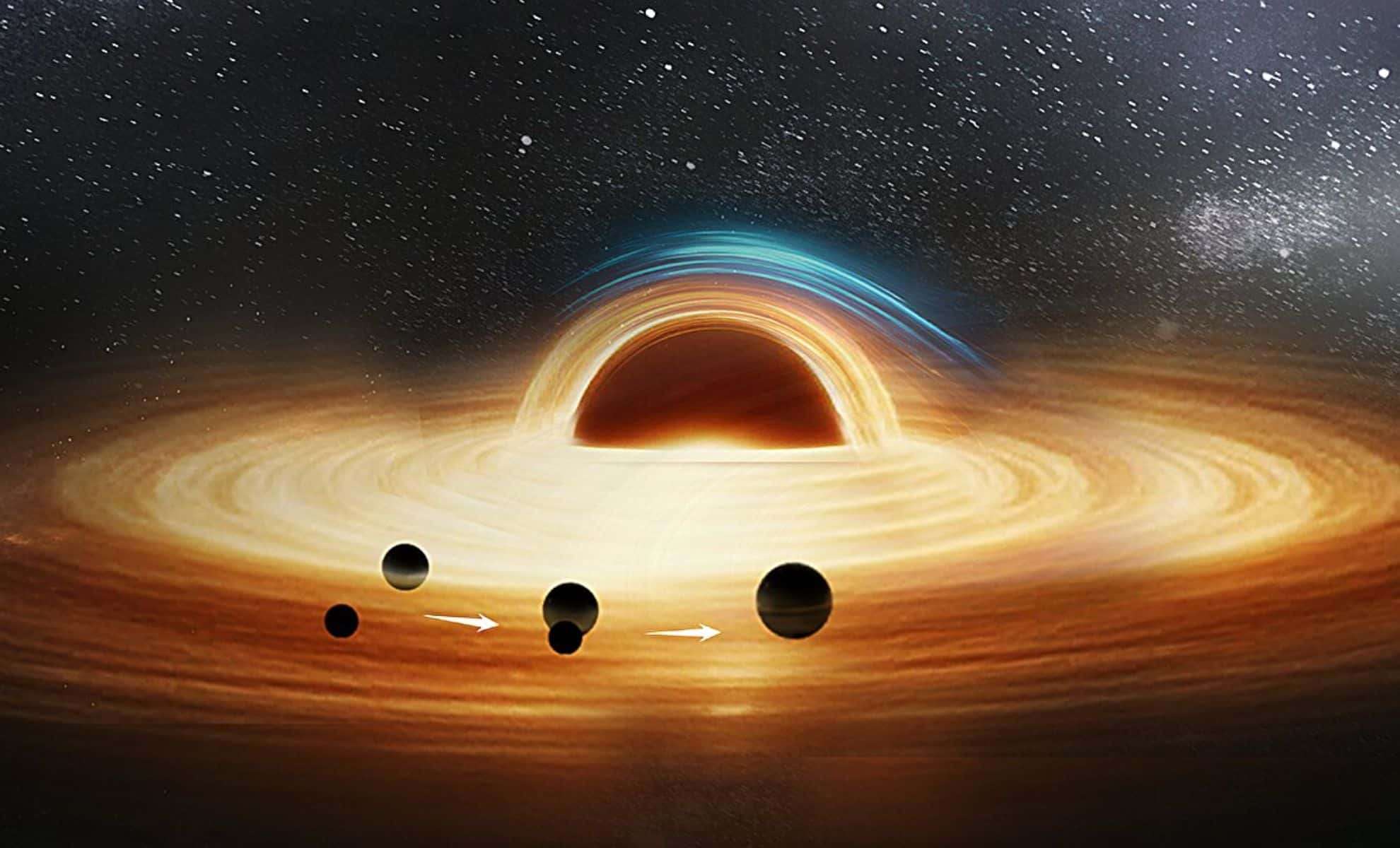
A team of researchers at the Shanghai Astronomical Observatory (SHAO), part of the Chinese Academy of Sciences, has made a pioneering find indicating that binary black holes might commonly exist alongside a third massive and enigmatic companion—potentially a supermassive black hole. This challenges the previous notion of these binaries as isolated cosmic wanderers.
Tracing the Clues in GW190814
The breakthrough originated from an in-depth study of the gravitational wave event GW190814, recorded by the LIGO-Virgo-KAGRA collaboration. Dr. Han Wenbiao’s group detected distinctive anomalies in this signal that suggested the merging binary black holes were gravitationally influenced by an additional nearby object.
According to the research, published on July 21 in The Astrophysical Journal Letters, the unusually skewed mass ratio of approximately 10:1 between the black holes points toward a hierarchical triple system arrangement. This configuration may involve a supermassive black hole exerting gravitational control over the binary pair.

Within this scenario, the supermassive black hole could have gradually drawn the binary black holes inward through tidal interactions, influencing their dynamics and altering how we perceive black hole system evolution.
Decoding the Gravitational Wave Signature
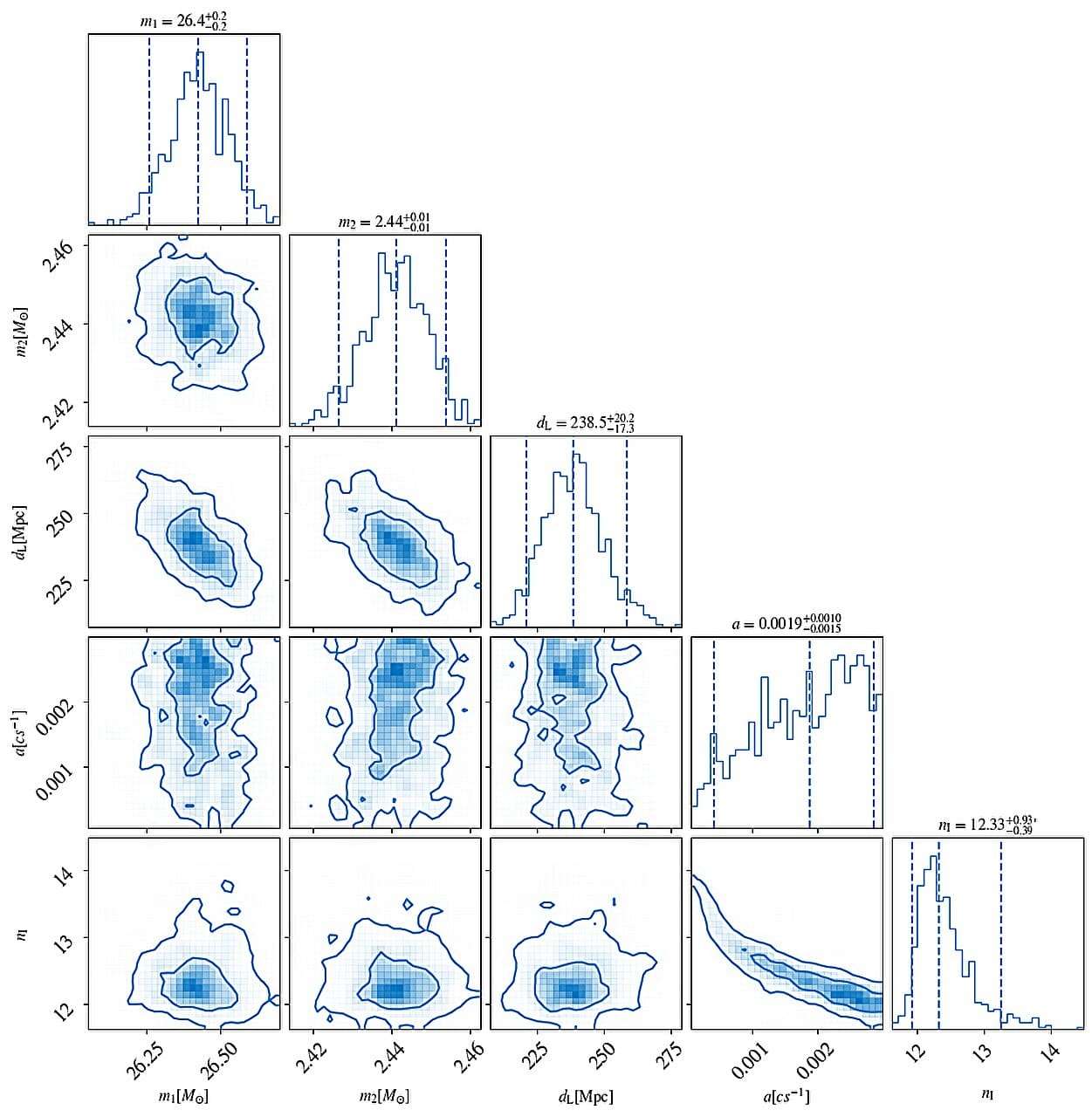
Co-author Dr. Yang Shucheng highlighted that the distinctive mass disparity observed in GW190814 made it ideal for probing the effects of an external gravitational influence. The team proposed that if a binary merges near a third compact body, the binary’s orbit would experience perturbations leading to what’s called "line-of-sight acceleration." This phenomenon modulates the gravitational wave frequency through a Doppler shift, imprinting a unique signal pattern.
By integrating this acceleration effect into their models and applying it across various gravitational wave events, they found that the enhanced model provided a significantly better fit for GW190814 than traditional binary-only models. The Bayesian evidence ratio of 58:1 strongly supports the presence of a tertiary companion impacting the merger.
Opening Doors to More Complex Black Hole Systems
This discovery marks the first confirmed identification of a third compact object participating in a binary black hole merger. Dr. Han Wenbiao emphasized, “This is the inaugural international detection offering robust evidence for a triple system in a black hole merger.” Their findings invite a reconsideration of how intricate black hole assemblies form and evolve.
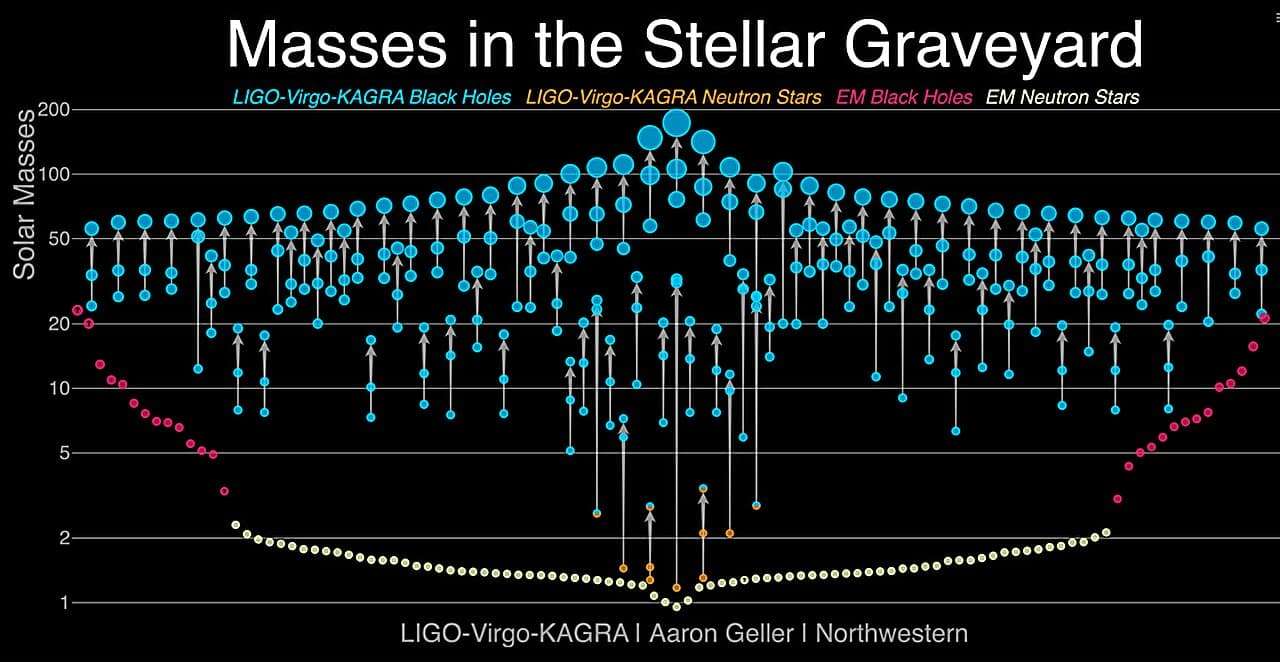
Looking ahead, the arrival of next-generation gravitational wave observatories such as the Einstein Telescope, Cosmic Explorer, and LISA is expected to enable even finer detection of subtle gravitational wave features. These advanced instruments will likely unveil more examples of triple systems, enriching our comprehension of black hole dynamics and cosmic environments.
- Categories:
- News












0 comments
Sign in to Comment