
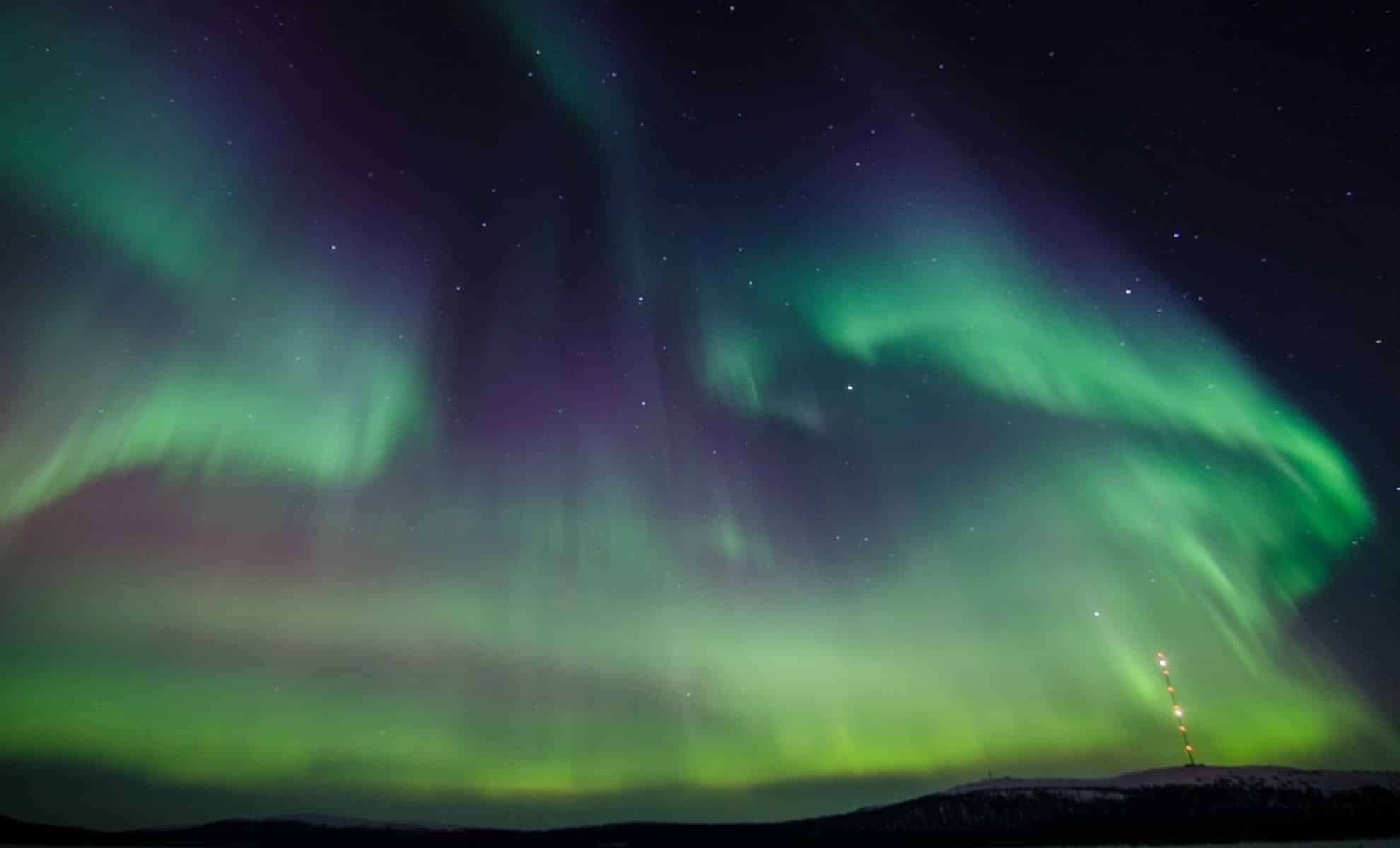
The aurora borealis, commonly known as the northern lights, will put on an extraordinary show across 18 U.S. states this Monday evening, as highlighted by Forbes and the National Oceanic and Atmospheric Administration (NOAA) Space Weather Prediction Center. This event promises to deliver an auroral display visible much farther south than usual, providing unique viewing opportunities for people across a wide portion of the country. Experts note that clear skies and low light pollution will be crucial to fully appreciating the spectacle, which is anticipated to be among the most expansive in recent memory.
The Geomagnetic Storm Fueling This Stunning Aurora
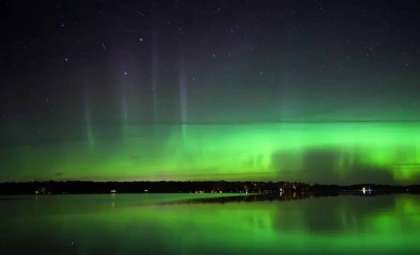
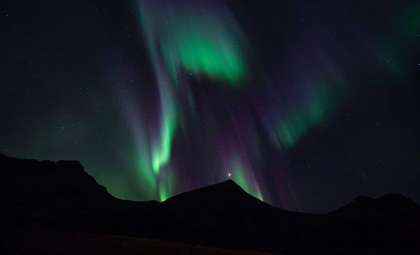
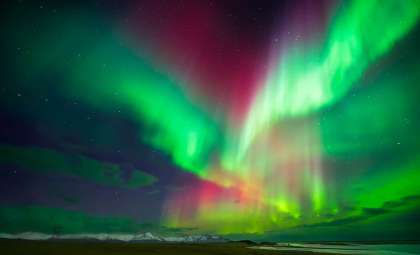
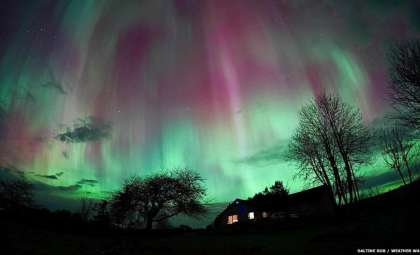
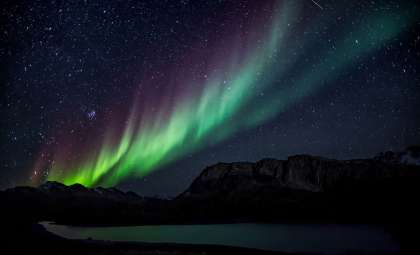
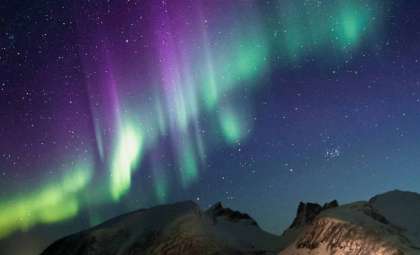
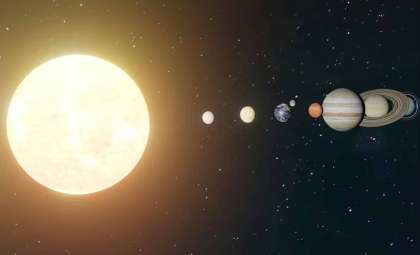
Bright auroras occur when high-energy particles expelled by the sun collide with molecules in Earth's atmosphere, guided by the planet's magnetic field. This particular display is driven by a G2-classified (moderate) geomagnetic storm following a coronal mass ejection (CME) from the sun that arrived days earlier. Interaction of these charged particles with oxygen and nitrogen atoms causes the vivid hues of green, pink, and red typical of auroras.
According to the SWPC's three-day geomagnetic forecast, the peak activity will occur late Monday night, with KP index values high enough to illuminate skies in states such as Illinois, Ohio, and North Carolina. Auroras typically remain confined to northern states like Alaska, Minnesota, or Maine, but the potency of this storm significantly increases the likelihood of southern sightings. For optimal observation, viewers should seek out dark, unobstructed skies away from urban light sources.

Prime Spots and Tips for Auroral Viewing
Residents in the northern and midwestern U.S. are presented with a rare chance to witness the northern lights without traveling to polar regions. Experts advise selecting open spaces, elevated terrain, and spots removed from city illumination to maximize visibility. The best viewing window is expected between 10 p.m. and 2 a.m. local time, when geomagnetic effects are at their strongest.
For photographers eager to capture the display, adjusting cameras for long exposure settings will help reveal the aurora's full color range. It's also recommended to dress warmly, especially in northern states where nighttime temperatures can drop considerably, even in late summer. Following updates from NOAA and local astronomy organizations can help observers stay informed about weather conditions and geomagnetic activity.
Past Occurrences of Southern Auroras in the U.S.
Although auroras mainly occur near the poles, occasional moderate geomagnetic storms can push the lights further south. The previous notable event in October 2023 allowed sightings into southern states including Tennessee and Arkansas. These episodes are rare, making the upcoming Monday night phenomenon especially exciting for skywatchers, photographers, and astronomers.
Long-term scientific data show that solar cycles, repeating approximately every 11 years, influence aurora frequency and strength. We are currently in a phase of rising solar activity, which enhances the potential for auroras to be visible at lower latitudes. This offers a valuable educational experience and greater public engagement with dynamic solar phenomena.
Monitoring Effects and Staying Safe During Geomagnetic Events
While the aurora itself poses no danger, the driving geomagnetic storm can disrupt satellite systems, radio signals, and electrical grids. The NOAA SWPC issues continual 3-day forecasts and live alerts to help minimize these disruptions. Anyone planning to watch or photograph the aurora should follow official announcements, especially if using drones or electronic equipment.
Utility companies and local agencies keep a close eye on solar activity to protect infrastructure. Understanding space weather is increasingly important as modern technology depends on systems vulnerable to geomagnetic fluctuations. This intersection of natural wonder and technological impact highlights the need for ongoing space weather awareness and forecasting.
- Categories:
- News


0 comments
Sign in to Comment