

Falling asleep doesn’t begin the moment your head hits the pillow—it starts much earlier, often influenced by your choices in the kitchen. While many rely on supplements or screen filters to improve their sleep quality, emerging evidence highlights a more essential factor: the food you consume and its timing before sleep can significantly impact how well you rest.
Late-night hunger is a common experience. Whether a result of light meals, stress, or routine, sneaking a snack before bedtime seems harmless. However, researchers caution that certain foods—especially those rich in sugar, saturated fats, or refined carbohydrates—may disrupt melatonin secretion, complicate digestion, and interfere with the body's circadian rhythms.

Choosing the wrong foods before bed can not only disturb sleep onset but also lead to fragmented rest and suppression of REM phases. These disruptions are far from trivial; prolonged sleep insufficiency is associated with heightened risks of heart disease, metabolic conditions, and declines in cognitive function.

Under these circumstances, scientists and clinicians are investigating if specific foods consumed in the evening might actively promote better sleep rather than merely avoiding interference. One particular low-glycemic fruit has surfaced as a standout option.
The Crucial Connection Between When You Eat and How You Sleep
While advice on sleep often centers on reducing screen exposure or stress management, the timing of nutritional intake is proving equally important. Research published in 2020 by The American Journal of Clinical Nutrition revealed that meals high in glycemic index, particularly those eaten four hours before bedtime, correlated with increased difficulty in falling asleep.
Such meals, loaded with refined sugars and starches, cause rapid increases in blood glucose, followed by sharp drops that disrupt nighttime equilibrium. This glucose decline triggers a release of cortisol, heightening alertness when the body should be winding down.
Comfort foods frequently consumed at night—such as chocolate, cured meats, pastries, and aged cheeses—may be satisfying but are taxing on digestion. They require prolonged metabolic processing that can postpone falling asleep and reduce the duration of restorative deep sleep.
Moreover, diets high in saturated fats and sugar are associated with declines in slow-wave sleep, the deep sleep phase critical for memory consolidation and immune system support.
A Sleep-Enhancing Fruit That Deserves Attention
Among common foods, one fruit consistently fits the profile of an ideal bedtime choice. It boasts high fiber content, low sugar levels, and essential nutrients supporting heart health and digestive function—both vital for regulating sleep.
This fruit contains both soluble and insoluble fiber, which help slow digestion and maintain balanced blood sugar throughout the night, reducing midnight awakenings caused by hunger or sugar fluctuations.
This fruit also delivers natural polyphenols, vitamin C, and flavonoids—known for their anti-inflammatory and neuroprotective effects. These compounds contribute to stress relief, mood enhancement, and boosting serotonin, a key neurotransmitter governing sleep cycles.
Its low glycemic load prevents excessive glucose surges that could delay melatonin production. Compared to sweeter fruits like grapes or tropical options, this fruit provides a more stable metabolic impact aligned with natural night physiology.
Incorporating Smarter Nighttime Eating Habits
Evening food choices often arise from convenience rather than evidence-based understanding. Many opt for ultra-processed snacks, sugary cereals, or decadent desserts. Transitioning to natural, fiber-dense foods can take effort but offers meaningful benefits.
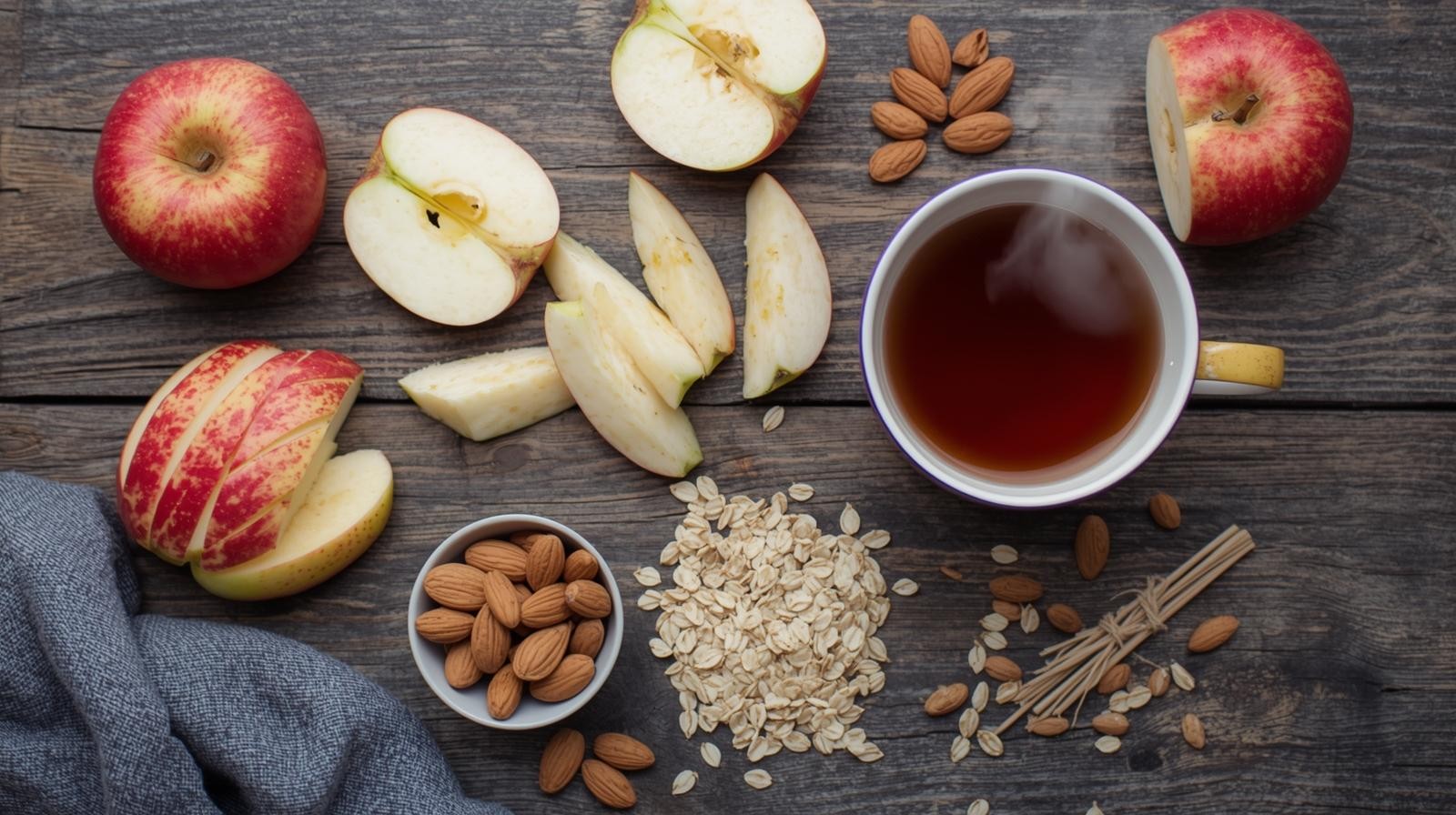
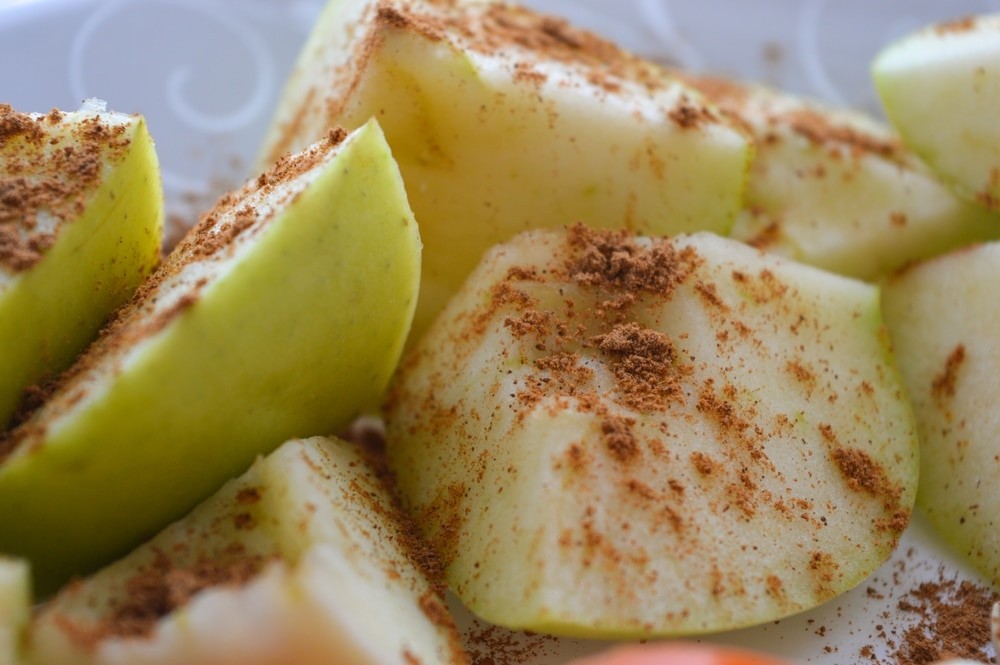
This particular fruit can be enjoyed fresh, sliced with a sprinkle of cinnamon, or gently warmed for comfort. It pairs excellently with herbal teas, needing no added sugars or heavy toppings. Best of all, it requires minimal preparation and fits easily into most cultural diets.
For optimal results, a medium portion about an hour before sleep is sufficient. Overeating—even of healthful items—may overwhelm digestion and hinder sleep benefits. Avoid heavy sauces, dairy-rich dips, or processed accompaniments that could negate its positive effects.
Consistently choosing this fruit as a nightly ritual can also help condition the brain to associate the habit with relaxation, supporting sound sleep hygiene without relying on medication.
- Categories:
- News













0 comments
Sign in to Comment