
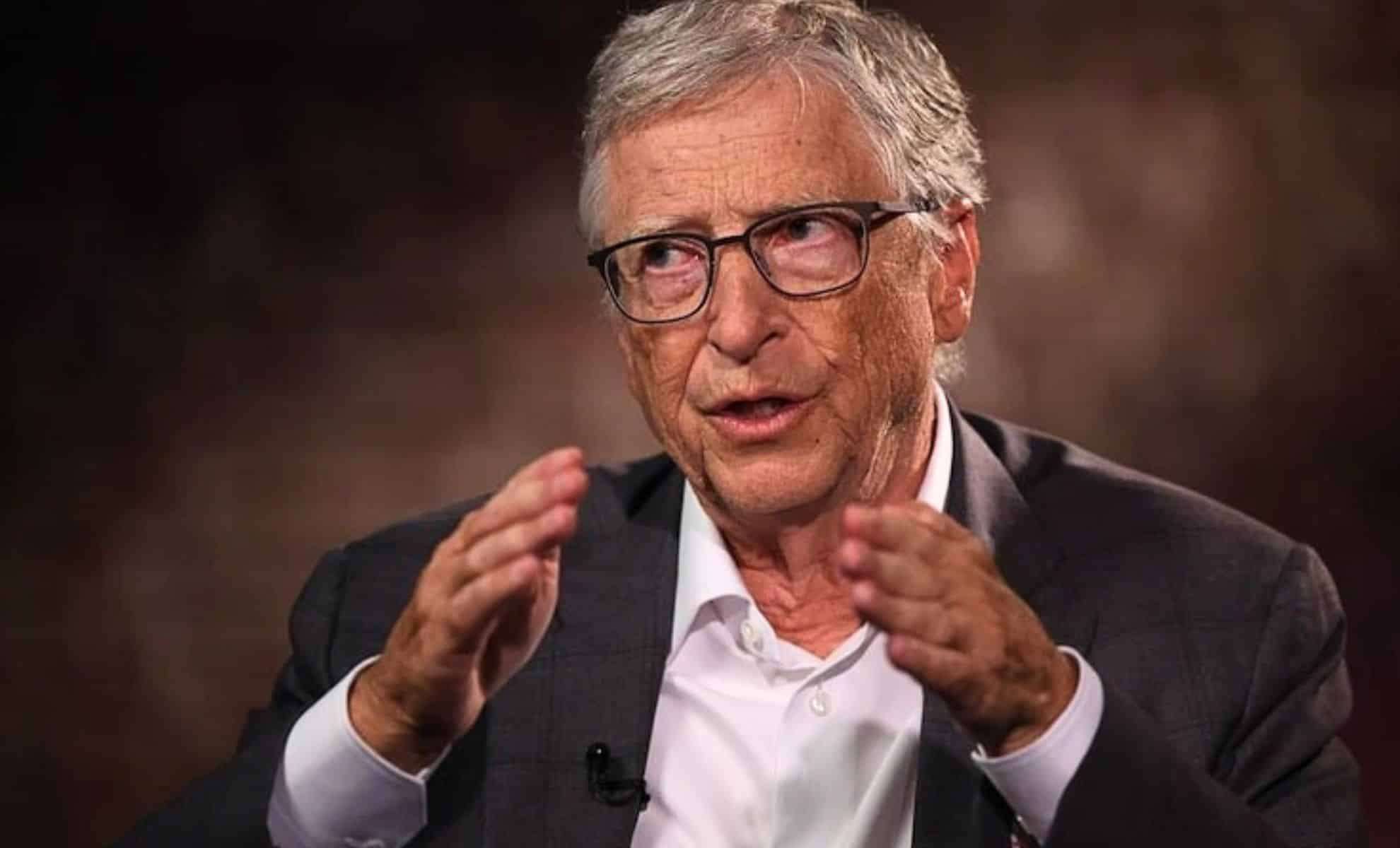
Artificial intelligence is reshaping the workplace on a massive scale, and Bill Gates, co-founder of Microsoft, warns that this transformation is only just beginning. According to Gates, AI will phase out numerous occupations and fundamentally alter the global economic landscape. However, there are three specific careers that appear resistant to AI disruption — at least for the foreseeable future.
AI May Shrink the Workweek to Just Three Days
Picture a future where your workweek lasts only three days. It might sound far-fetched, but Gates predicts AI could automate a significant portion of current jobs, potentially rendering the traditional 40-hour week obsolete.
Yet, this shift won't benefit everyone equally. As automation replaces routine roles, millions of positions might vanish, posing a serious challenge for workers to adjust before changes become irreversible.

Still, Gates points out three professions that are likely to remain essential throughout this AI-driven transition. If you belong to one of these sectors, your role may be protected.
1. Software Developers: The Architects Behind AI
Many assume coders might soon be replaced since AI can generate software code autonomously. But human expertise remains indispensable.
Although AI coding tools are impressive, they still make significant errors. Human developers are crucial for debugging, refining AI systems, and advancing new innovations. Simply put, AI requires human minds to create and maintain it.
If you work in programming, your skills are far from outdated; in fact, they’re becoming even more critical.
2. Energy Sector Professionals: Navigating Complexity Beyond AI’s Reach
Whether in nuclear energy or renewables, this field demands human expertise that machines can’t fully replicate. Scientists, engineers, and technicians are vital for managing infrastructure, making informed decisions, and safeguarding systems.
Would you entrust an AI alone with operating an entire power grid? Likely not. Human vigilance remains essential to ensure reliable and safe energy management.
3. Biologists: Innovation Still Demands Human Insight
Though AI is effectively diagnosing illnesses and interpreting genetic information, Gates believes biology will endure beyond AI’s current capabilities.
The core challenge isn’t AI technology itself, but rather limited funding and the necessity for human creativity. While AI can analyze vast datasets, it cannot substitute the intuitive leaps and innovative thinking driven by researchers.
Consequently, biologists must adapt by collaborating with AI, enhancing rather than competing against it.
Adapting to AI Transforms the Future of Employment
Gates concedes he might be mistaken, emphasizing that forecasting AI’s impact on jobs a decade away is as difficult as predicting the internet prior to Google’s rise.
One thing remains clear: AI’s influence is permanent. The wisest course for workers is to embrace AI as a tool instead of fearing it. For those outside the “safe” sectors, reconsidering career paths may become necessary.
The Horizon: AI Beyond Our Current Imagination
Looking beyond today’s tools like ChatGPT, Gates envisions future AI that can emulate human thinking, learning, and self-improvement.
Such technology might boost our intelligence, efficiency, and even extend human lifespan. Is this science fiction, or an impending breakthrough?
What’s certain is that AI is radically transforming society. The pressing question is whether your profession is among those shielded or if it’s time to explore new opportunities.
- Categories:
- News











0 comments
Sign in to Comment