
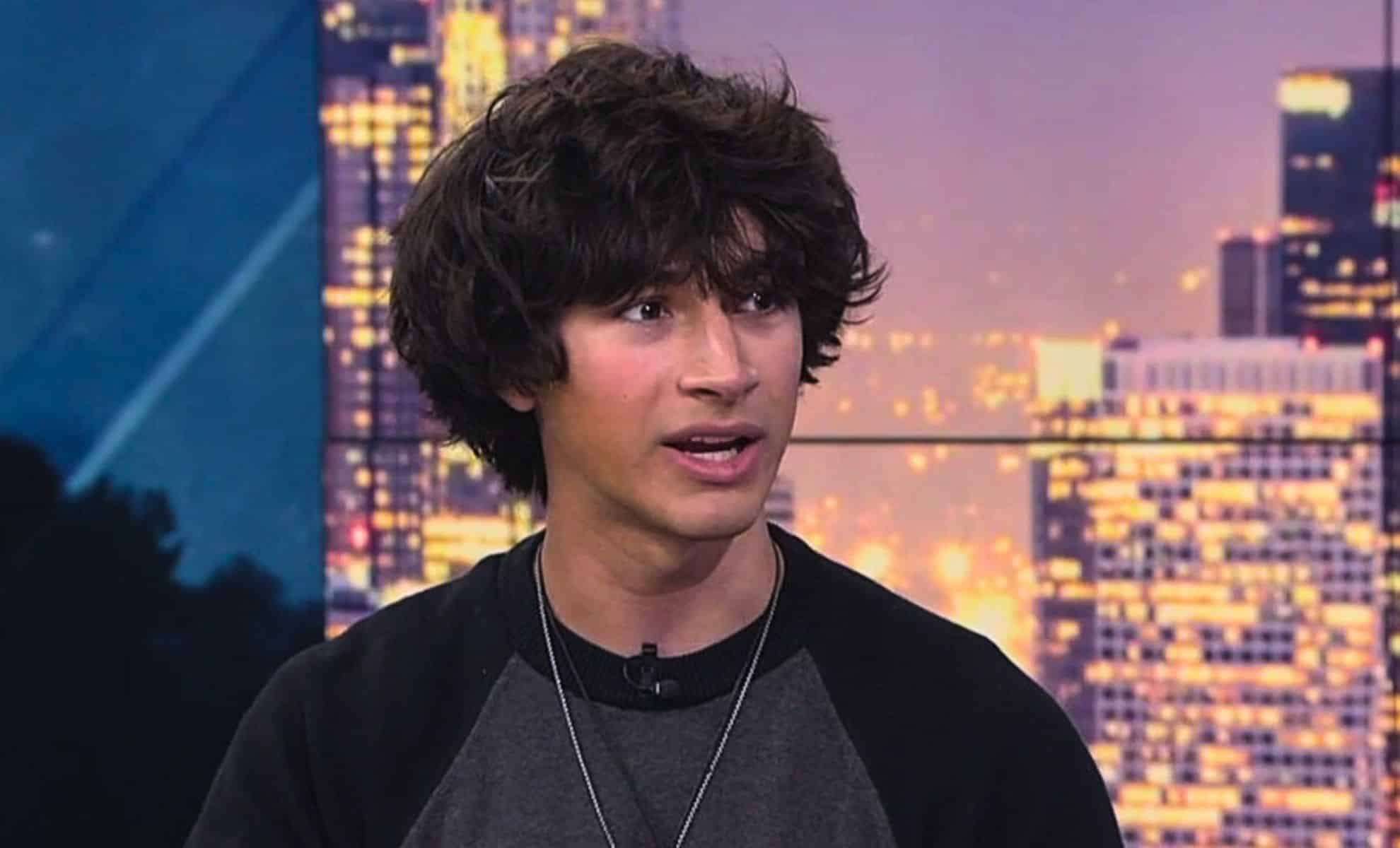
A remarkable advancement in astronomy has emerged thanks to a high school student from California who harnessed artificial intelligence to identify more than 1.5 million previously unknown celestial bodies. His analysis utilized data from a retired NASA mission, and his findings have been rigorously vetted and featured in The Astronomical Journal, confirming their scientific validity.
Teenager Crafts an AI System
Matteo Paz, a Pasadena native, joined Caltech’s Planet Finder Academy in the summer of 2022. This initiative immerses high school students in hands-on astronomy research. Under the mentorship of Davy Kirkpatrick, a lead scientist at Caltech’s Infrared Processing and Analysis Center (IPAC), Paz worked with extensive archives from NASA’s NEOWISE telescope.
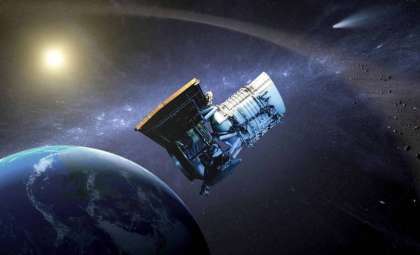
NEOWISE, which launched in 2009 to scan for near-Earth asteroids, collected an extensive dataset over more than ten years. This dataset comprises infrared observations covering the entire sky and includes not only nearby objects but also distant cosmic phenomena often overlooked.

The volume was staggering—as Kirkpatrick noted, analysis could have involved “nearly 200 billion rows” of data. Initially, the team planned manual examination of a small fraction, but Paz chose a more innovative route.
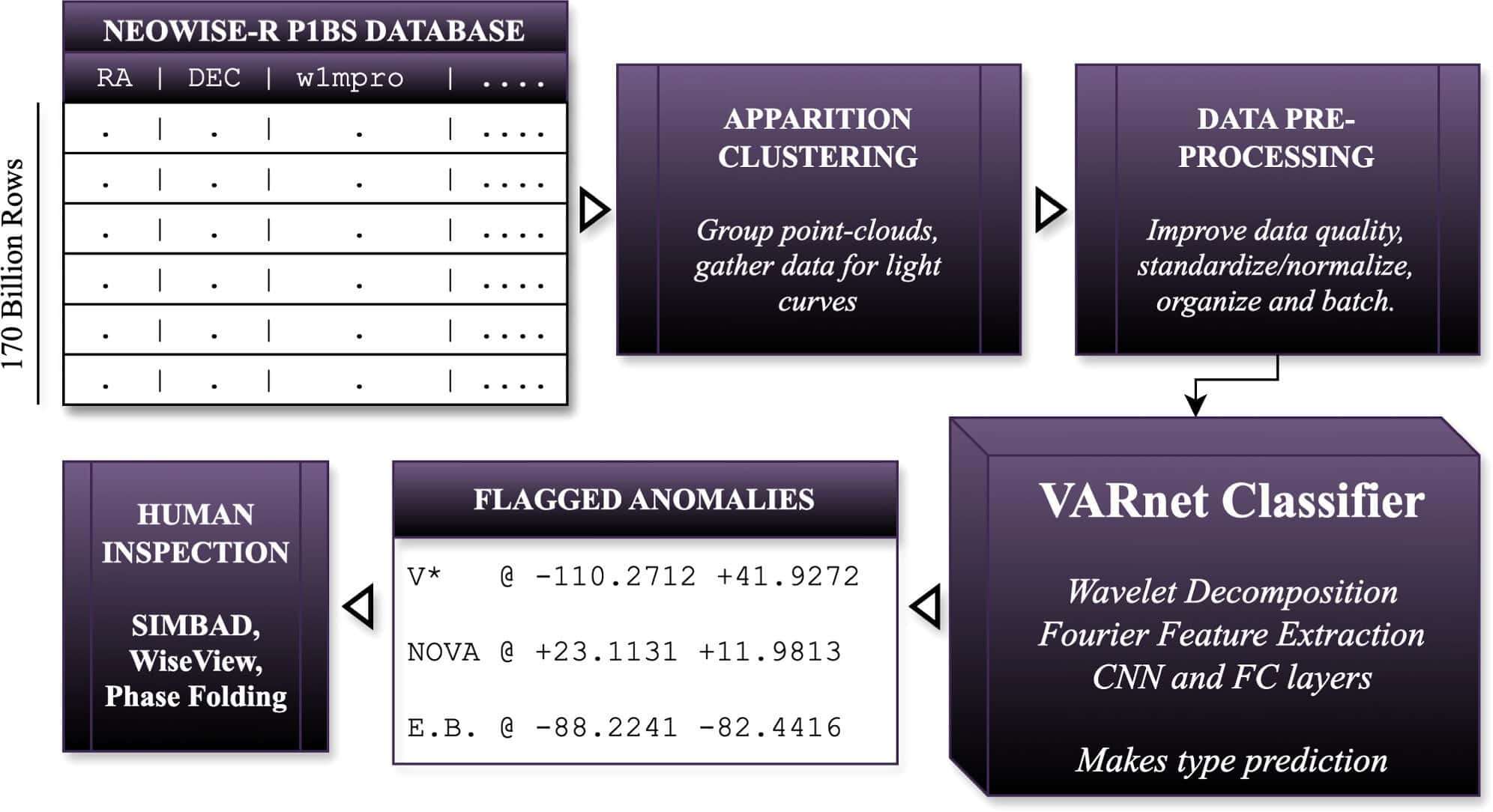
Utilizing his knowledge in theoretical mathematics, coding, and time-series analysis, he engineered an AI-driven machine learning pipeline within six weeks that automated detection of faint, variable light sources—objects whose brightness fluctuates subtly and might be missed by human inspection or traditional methods.
“The model began to show some promise almost immediately,” Kirkpatrick told Phys.org. “As Paz refined it, the results kept getting more interesting.”
This innovation enabled identification of sources that flicker, pulse, or dim intermittently, characteristic of celestial bodies such as quasars, eclipsing binary stars, and supernovae.
Exploring the Heavens with Big Data
Paz’s AI employs mathematical techniques like Fourier transforms and wavelet analysis to scrutinize time-dependent signal variations, particularly in the infrared band. These methods allow extraction of subtle changes that, due to NEOWISE’s sampling constraints, would conventionally be hard to detect.
His system found variables that evolve very gradually or exist only briefly, which often evade detection. This capability is crucial for studying phenomena such as slow transients or cataclysmic variables that don’t conform to predictable cycles.
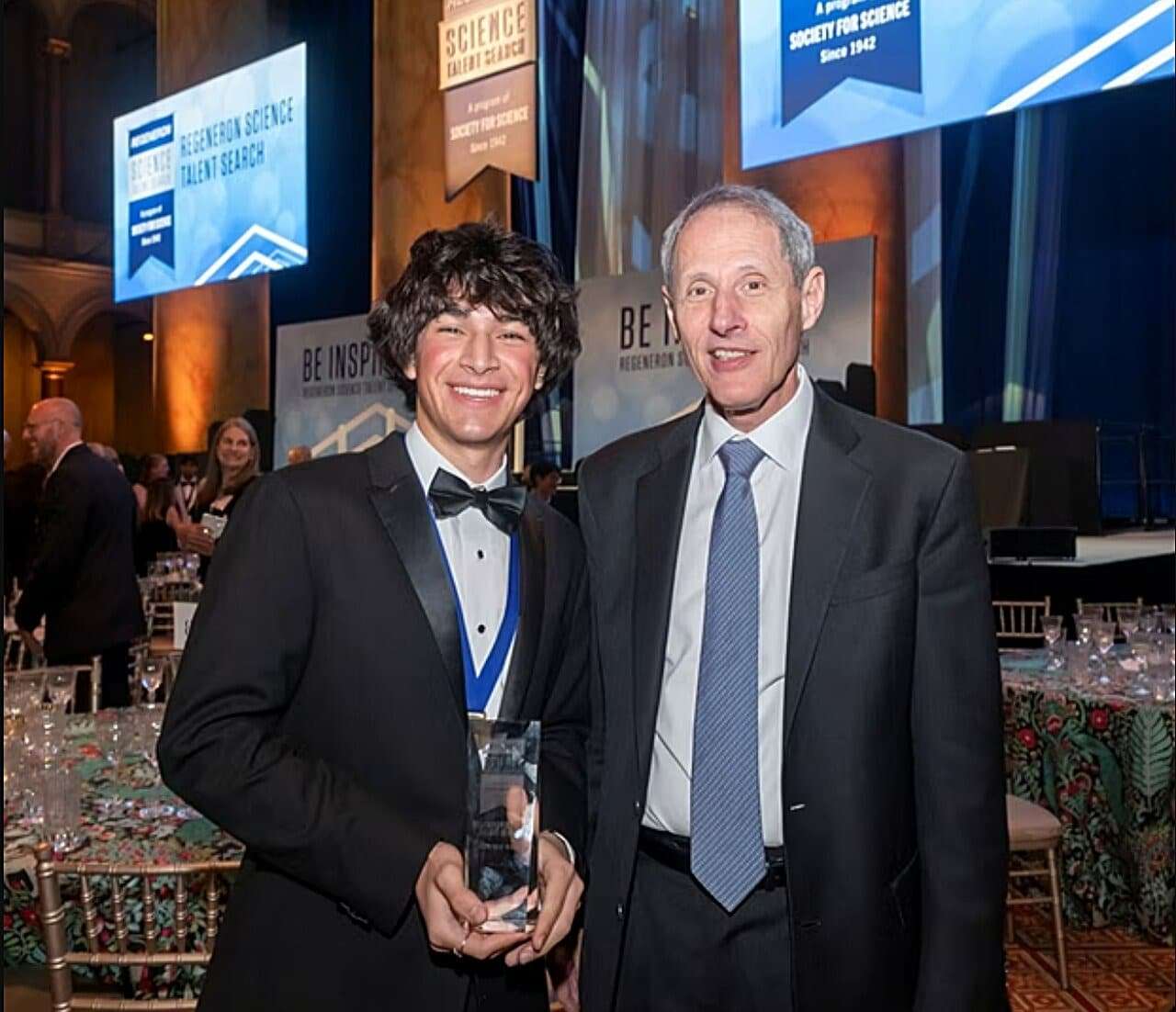
Over months, Paz collaborated with Caltech scientists including Shoubaneh Hemmati, Daniel Masters, Ashish Mahabal, and Matthew Graham to enhance the AI for full-sky application. The outcome was an unprecedented collection of more than 1.5 million variable light sources, now formally published in a paper in The Astronomical Journal.
The finalized catalog is slated for release in 2025 and is expected to guide future observations by instruments like the Vera Rubin Observatory and the James Webb Space Telescope, shedding light on the evolution of stars, distant galaxies, and energetic celestial events.
From Classroom to Cutting-Edge Research
Beyond this accomplishment, Paz, still in high school, has taken up a professional role as a research assistant at IPAC, continuing to advance the AI technology and mentor upcoming participants in the Planet Finder Academy.
Paz attained these advanced skills—such as algorithm creation, temporal data modeling, and computational astrophysics—through the Pasadena Unified School District’s Math Academy, an advanced public program nurturing exceptional mathematical talent.
“If I see their potential, I want to make sure they are reaching it,” Kirkpatrick said. “I’ll do whatever I can to help them out.”
Looking ahead, Paz envisions adapting his AI approach to other fields where analyzing time-dependent data is vital, including finance, environmental monitoring, and neuroscience.
This project highlights how tools created for astronomical exploration can also unlock insights across diverse scientific and practical areas, exemplifying the promise of interdisciplinary machine learning.
- Categories:
- Astronomy ,
- Science ,
- Space







0 comments
Sign in to Comment