
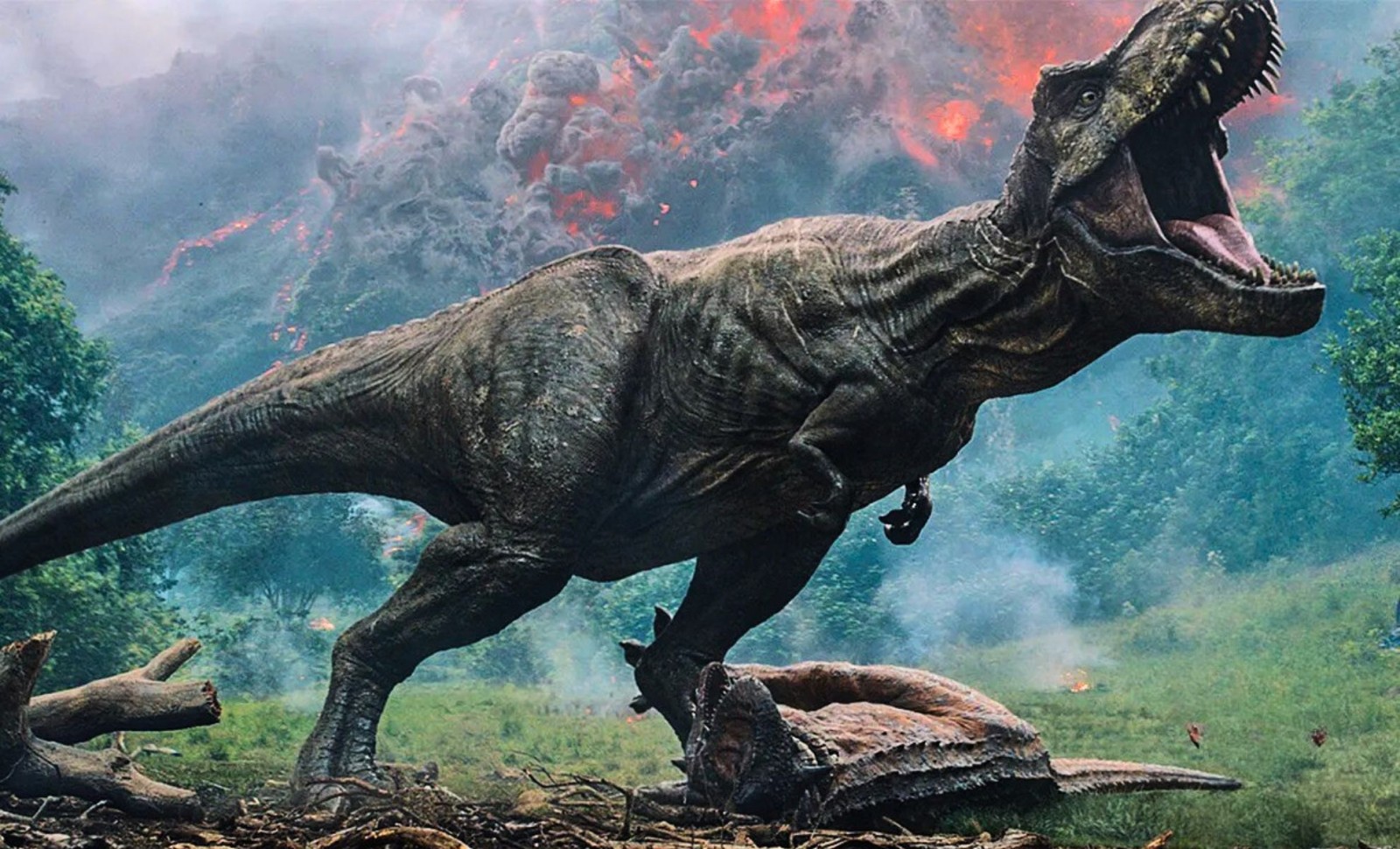
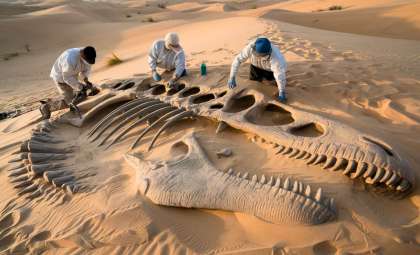
The concept of bringing dinosaurs back to life has fascinated people for generations. From the thrilling scenes of Jurassic Park to sensational headlines about DNA trapped inside ancient amber, the idea of reviving extinct creatures has become emblematic of scientific daring. However, the harsh biochemical facts remain clear: the genetic material of non-avian dinosaurs has vanished beyond recovery.
Although cloning and gene manipulation have made incredible strides, the chance to retrieve usable dinosaur DNA disappeared millions of years ago. Modern science can sequence complete genomes from woolly mammoths and genetically adjust chicken embryos to evoke dinosaur traits. Yet, the original DNA of Tyrannosaurus Rex is irreversibly fragmented—too degraded for any existing or foreseeable technology to reconstruct.
This limitation stems not from a lack of skill but from chemistry itself. DNA molecules deteriorate after death through a process that is measurable, inevitable, and irreversible. Once the organism ceases living, natural repair stops and the DNA strands begin to break apart piece by piece.

The Unyielding Molecular Clock
A landmark 2012 paper in the Proceedings of the Royal Society B examined 158 fossilized moa bones from New Zealand, using radiocarbon dating alongside mitochondrial DNA degradation measurements. Their findings showed DNA decay follows first-order exponential decay kinetics, with a half-life of approximately 521 years for 242 base pairs of mitochondrial DNA.
Even assuming ideal preservation conditions—cool, dry, and devoid of oxygen—no intact DNA strands would survive beyond roughly 6.8 million years. Considering more typical fossilization environments, degradation occurs even faster.
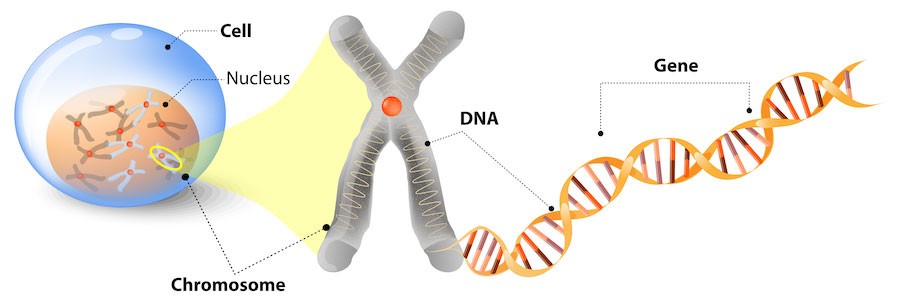
The study also revealed that nuclear DNA, which contains most genetic information, deteriorates at a rate at least twice as fast as mitochondrial DNA. This extreme instability makes the recovery of dinosaur genetic sequences from the Mesozoic practically impossible.
The authors summarized: “The odds of uncovering even one intact gene from dinosaur bones are effectively zero.” Additional confirmation has been found across multiple studies, including evidence presented on PubMed, underscoring this absolute temporal limit.
Dispelling Amber and Amphibian Myths
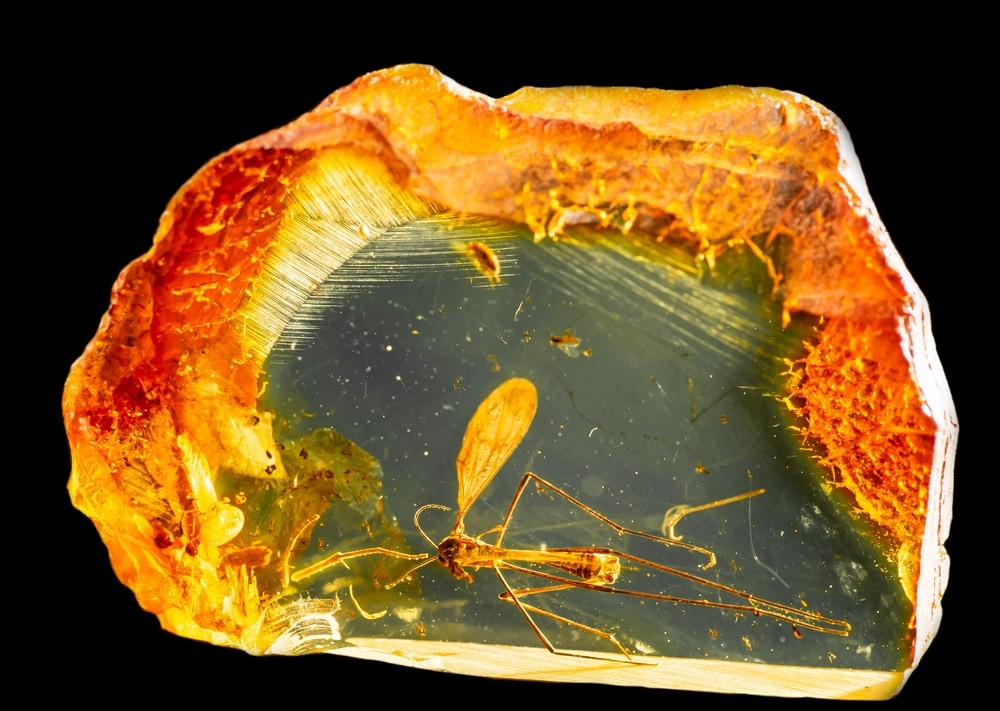
A persistent popular myth suggests that creatures trapped in amber could preserve viable dinosaur DNA. This theory has been conclusively disproved. All scientific attempts to extract DNA from amber-encased specimens millions of years old have failed rigorous peer review, with positive results often attributed to modern DNA contamination or procedural mistakes.
Even if tiny DNA segments survived, they would be excessively fragmented and chemically altered, making genome reconstruction impossible. DNA must be intact, contiguous, and properly ordered to be biologically meaningful. Short, broken fragments cannot guide the recreation of a living organism.
The 1993 movie Jurassic Park popularized the idea of filling genetic gaps with frog DNA. However, frogs split from the archosaur lineage over 350 million years ago, making their DNA structurally incompatible with dinosaur genomes. Attempts at cross-species DNA substitution across such vast evolutionary divides lead to nonfunctional results, not revival.
As The Tech Interactive explained, chromosomes are not modular code blocks that can be swapped at will. Genes require precise alignment on correct scaffolds, and the cellular machinery reading DNA is species-specific. Without a living dinosaur cell as a host, even a perfectly sequenced genome would be biologically unusable.
Unveiling Dinosaur Traits in Birds
Since bringing back actual dinosaurs is chemically impossible, scientists have shifted focus toward extracting ancient traits from the genomes of their closest living relatives—birds.
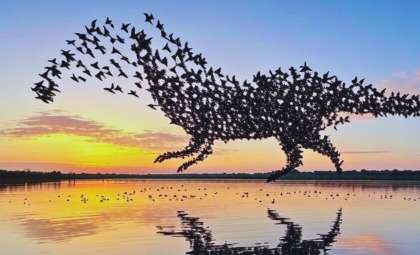
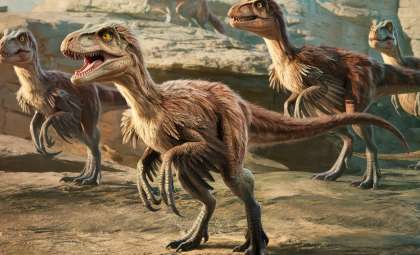
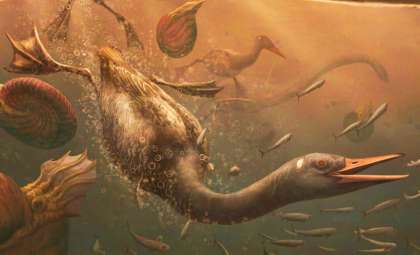
Birds are descendants of dinosaurs, specifically the theropod group containing species like the Velociraptor and T. rex. Their DNA retains molecular relics—inactive genes and regulatory switches—that once governed dinosaur physiology.
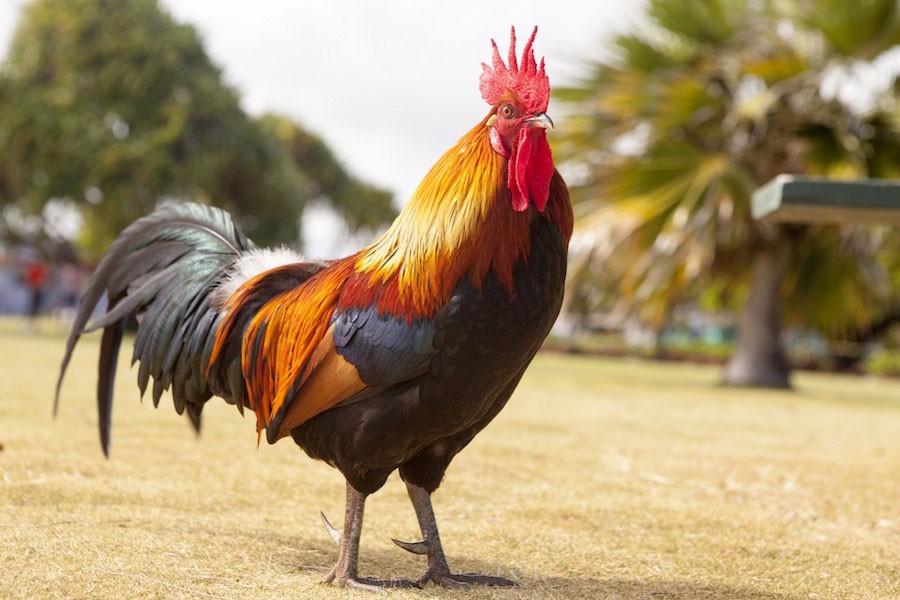
Research teams at Yale University and the University of Chile have bioengineered chicken embryos to inhibit beak growth and encourage the development of snout-like structures reminiscent of early dinosaurs. They also reactivated genes responsible for elongating the fibula, a leg bone that is shorter in modern birds but extended in their reptilian ancestors.
“Our goal was to understand the molecular underpinnings of a major evolutionary transition,” said Bhart-Anjan Bhullar, the Yale biologist who led the beak-reversion study. “Not to create a dino-chicken for spectacle.”
These experiments are part of a growing field known as evolutionary developmental biology (evo-devo), which investigates the genetic mechanisms behind evolution using methods like CRISPR gene editing, comparative genomics, and single-cell technologies. Instead of recovering ancient DNA, the focus is on deciphering and manipulating pre-existing genetic codes hidden within modern species.
The Boundary Between Nature and Design
The future of dinosaur research lies not in ancient fossils but within living avian cells, where vestiges of deep evolutionary history persist. The question shifts from whether dinosaurs can be cloned to whether they can be reverse engineered.
Producing a viable dinosaur-like creature from a bird genome would demand precisely editing thousands of genes and orchestrating complex developmental processes involving bones, muscles, brain function, and metabolism. Achieving this would require a succession of intricate breakthroughs, each formidable on its own.
Beyond dinosaurs, these efforts are transforming our understanding of evolution as a programmable biological system where traits once lost can be selectively revived. This blurring of discovery and synthetic creation poses profound questions about the limits of scientific endeavor.
- Categories:
- Science





0 comments
Sign in to Comment