
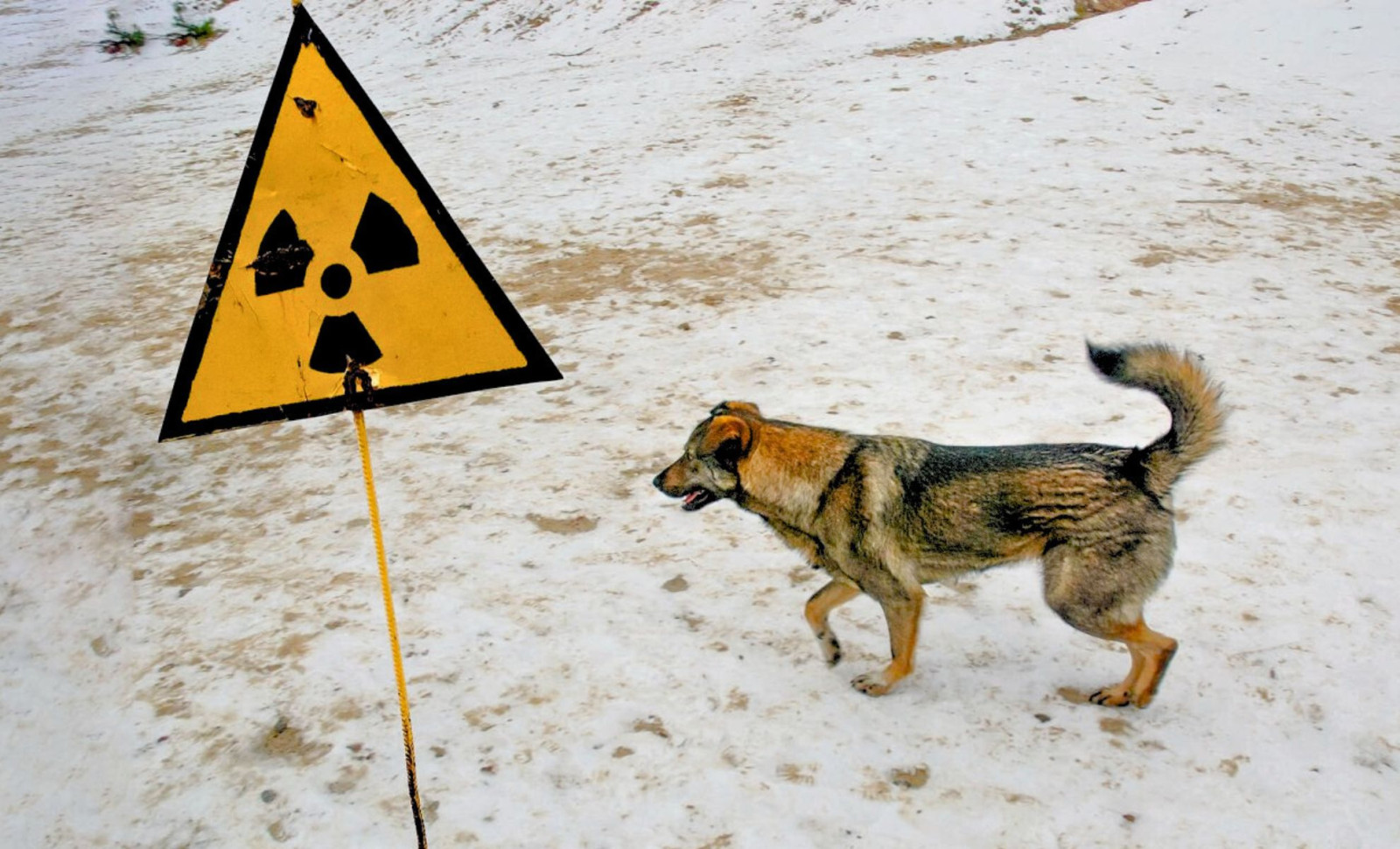
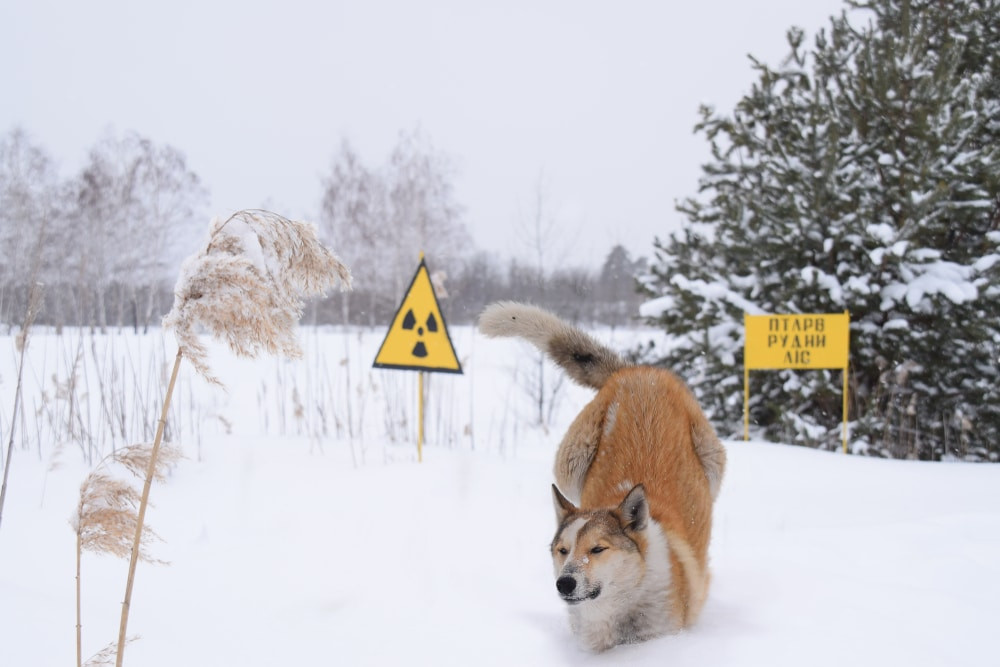
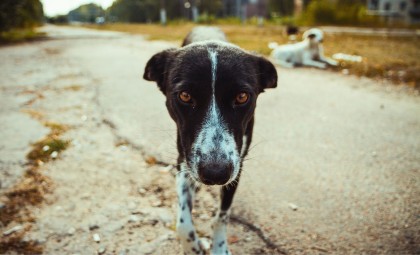
In a secluded area of northern Ukraine, abandoned since a catastrophic nuclear event, researchers continue to study the effects of radiation on local wildlife. The Chernobyl Exclusion Zone, created in the wake of the 1986 meltdown at Reactor 4, now shelters various animal species, notably a group of feral dogs that have thrived and bred there for almost 40 years.
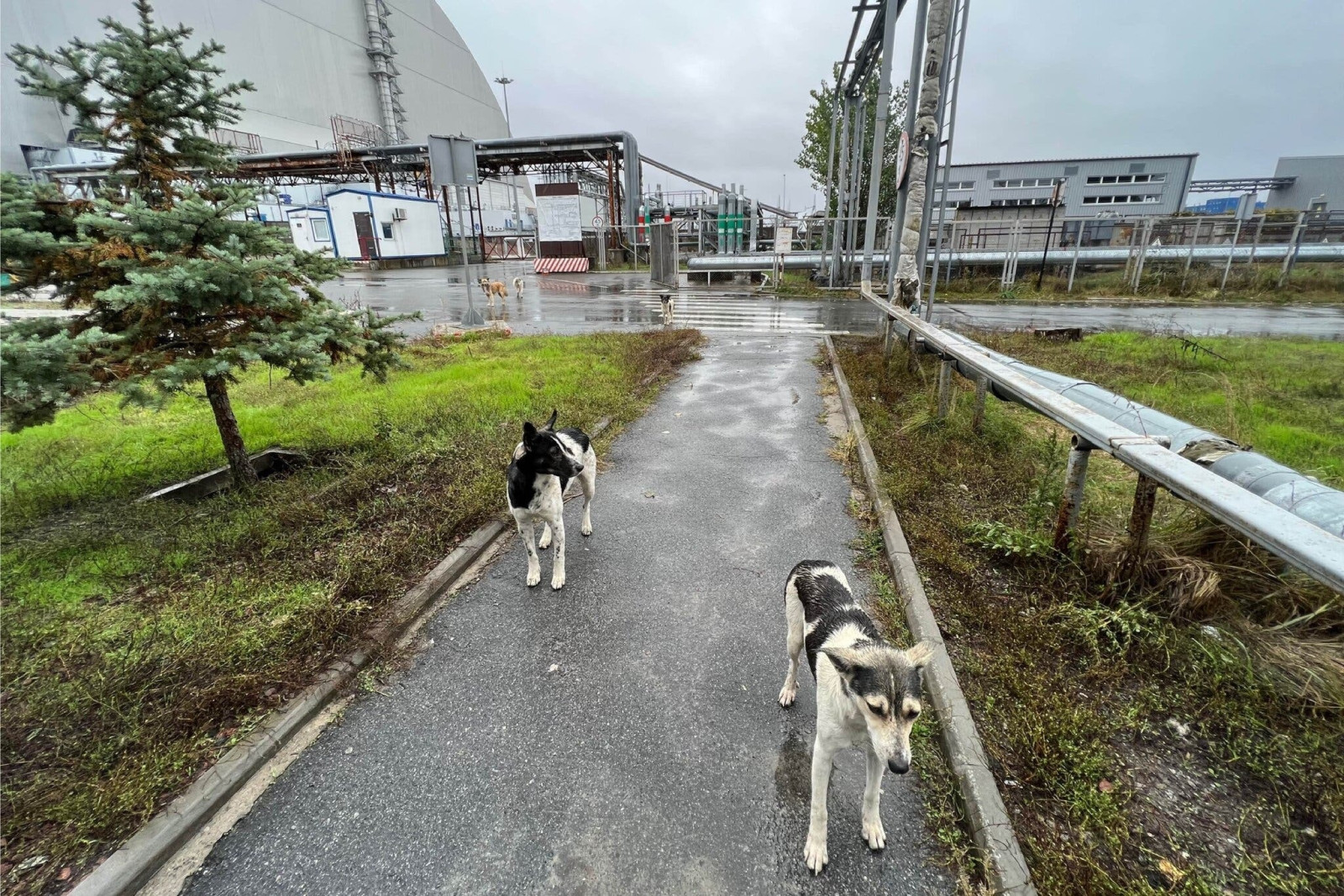
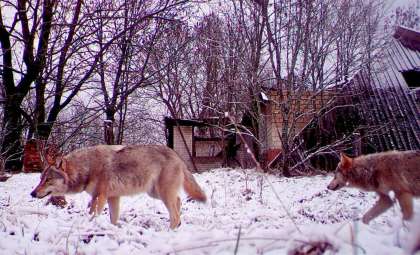
Within the remnants of the Chernobyl Nuclear Power Plant, these self-sustaining dogs endure in an environment still tainted with radioactive elements and chemical pollutants. Their survival amidst persistent ionizing radiation offers valuable insights into genetic adaptation and resilience over extended periods.
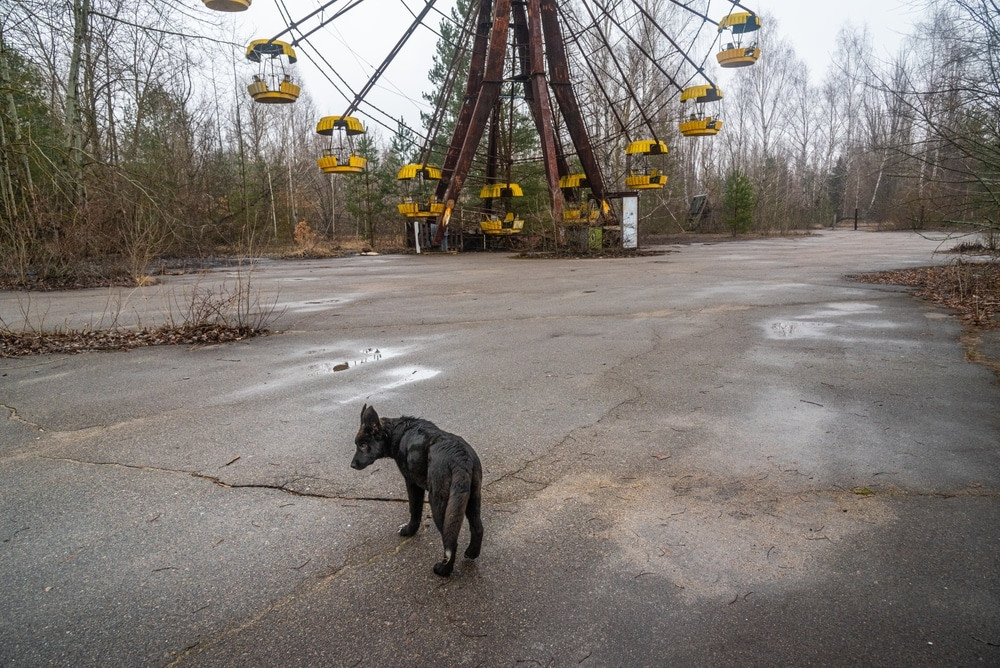
Geneticists examining these dogs discovered marked genomic variations between those dwelling close to the reactor and those farther away. This observation implies that factors like radiation exposure might be influencing their genetic development.

Distinct Genetic Groups Among Chernobyl Dogs
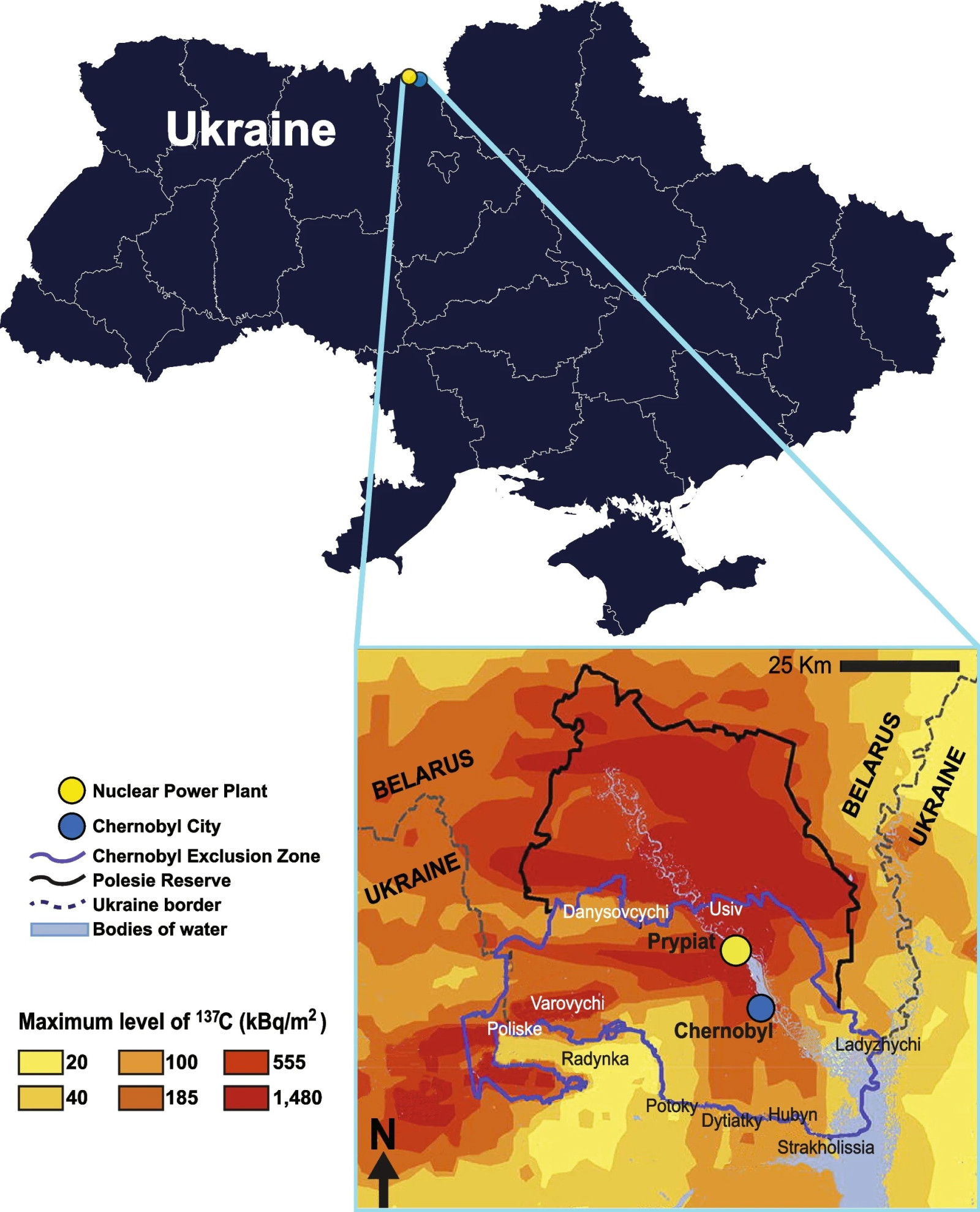
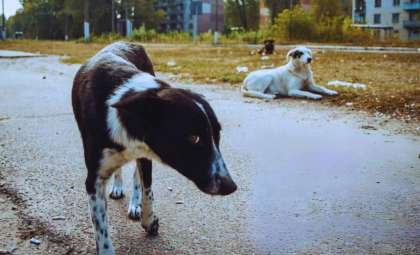
Scientists from North Carolina State University and Columbia University’s Mailman School of Public Health gathered blood samples from 116 partially wild dogs residing within the 30-kilometre-wide Chernobyl Exclusion Zone. Their samples were categorized into two main groups: those living near the nuclear site and others from Chernobyl City, situated approximately 16.5 kilometres away.
Genome-wide analysis indicated substantial genetic differences between these groups, with minimal interbreeding detected and strong signs that the two populations have remained mostly separated despite their proximity.
The study identified 391 outlier genetic markers and pinpointed 52 genes likely influenced by environmental stressors. Many of these genes are involved in critical processes such as DNA damage repair, immune defense mechanisms, regulation of cell cycles, and oxidative stress responses.
Key genes highlighted include XRCC4, known for repairing double-stranded DNA damage due to radiation, and CNTNAP2, which plays a role in immune signalling pathways.
Dr. Matthew Breen, a genomics specialist at NC State and co-principal investigator, stated: “We want to understand if such a profound environmental catastrophe leaves a genetic mark on the organisms that inhabit the zone.”
Consequences of Radiation and Environmental Pollutants
The Chernobyl catastrophe on April 26, 1986, released over 5,000 petabecquerels of radioactive substances across parts of Ukraine, Belarus, and Europe. This event established a highly radioactive area where lingering radionuclides like cesium-137 and strontium-90 remain nearly four decades later.
Radioactive contamination is uneven across the zone. Extremely polluted areas like the Red Forest have some of the highest levels. In addition to radionuclides, the environment contains residues of heavy metals, pesticides, and industrial organic compounds left after evacuation and remediation efforts, comprehensively documented by the International Atomic Energy Agency (IAEA).
Besides radiation, other factors such as firefighting, decaying infrastructure, and cleanup initiatives contribute to a complex chemical environment. Researchers note this toxic mix likely poses overlapping challenges affecting animal populations over time.
The study showed that dogs near the power plant exhibited greater inbreeding, reduced genetic variability, and longer continuous identical DNA regions (homozygosity), indicating a loss of diversity compared to dogs in Chernobyl City, which demonstrated higher genetic variety and less relatedness.
The breeds in both groups mainly included German Shepherd lineage alongside native Eastern European breeds such as the West Siberian Laika and Caucasian Shepherd Dog. Genetic tests confirmed the two groups remain distinct populations with minimal crossbreeding.
Implications for Genetic Science and Environmental Monitoring
While the findings imply possible adaptive changes to environmental challenges, researchers urge caution. Current data cannot definitively prove whether genetic distinctions arise from natural selection or from neutral factors like genetic drift or founder effect.
Dr. Megan Dillon, a doctoral scholar at NC State and key author of the study, questioned: “Why do we see such pronounced genetic divergence between these dog groups?” She emphasized the need to decipher if these patterns are random or linked to environmental stress unique to each habitat.
This research advances understanding of how wildlife adapts after nuclear incidents. Prior investigations have produced varied outcomes; for example, a 2020 study in Environmental Research identified hereditary genetic effects in bank voles near Chernobyl, while other studies have suggested adaptive traits in local bird species, though consensus remains limited.
Dogs, unlike smaller species, provide a closer proxy for examining lasting effects on large mammals, including humans. Their biological closeness and shared living environments with people make them key sentinels — species that help indicate potential health risks in shared ecosystems.
Dr. Breen told Earth.com: “Determining if these genetic changes represent the dogs’ adaptation to radiation exposure could reveal insights into survival in extreme conditions, offering knowledge relevant to any species, human or animal, facing similar hazards.”
- Categories:
- Science







0 comments
Sign in to Comment