
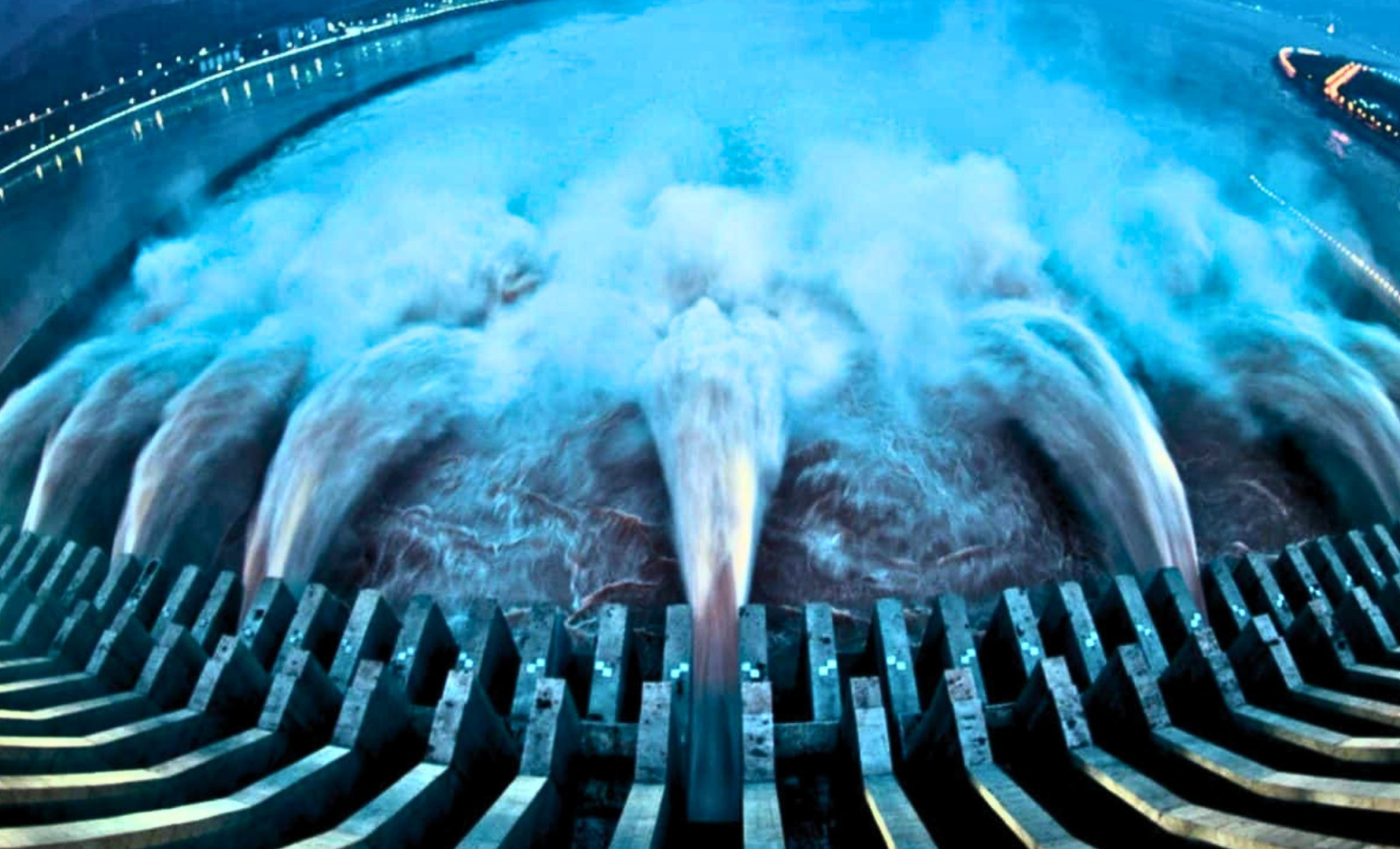
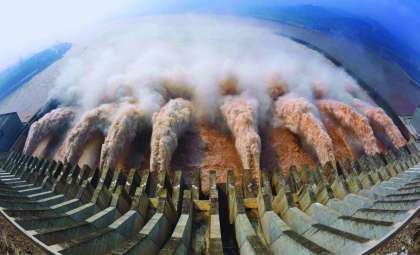
A groundbreaking hydropower development has commenced in Tibet, aiming to surpass the Three Gorges Dam as the planet’s top electricity producer. Chinese official outlets report that the construction is underway along the Yarlung Tsangpo River, with a staggering investment of 1.2 trillion yuan focused on generating about 300 billion kilowatt-hours of electricity annually. This level of output would eclipse any existing hydropower facility worldwide.
Positioned near a sharp river bend just before the watercourse crosses into India as the Brahmaputra, this hydropower project extends its significance beyond China’s borders. Millions rely on this river downstream, making the project a critical factor in Sino-Indian dialogues. Chinese authorities emphasize that the dam's primary purpose is electricity generation, not major water diversion, assuring that downstream water availability won’t see a drastic reduction.
Amid China’s ambitions to expand renewable energy use and curtail coal dependence, hydropower offers a reliable, constant power source that supplements more intermittent renewables like solar and wind. This initiative strengthens the country’s grid capacity in line with growing investments in non-fossil fuel energy to support energy security and climate targets. Initial BBC reporting on the project's approval sparked apprehension in India due to the Brahmaputra’s vital role and ongoing concerns regarding upstream activities.

Harnessing the Himalayan Terrain Through Multiple Stations
Instead of constructing one colossal dam akin to the Three Gorges, this Tibetan project will establish a series of power stations along a steep gradient in the Himalayas. This natural elevation drop concentrates the river’s energy in a narrow area, allowing engineers to extract significant power efficiently with less extensive infrastructure.
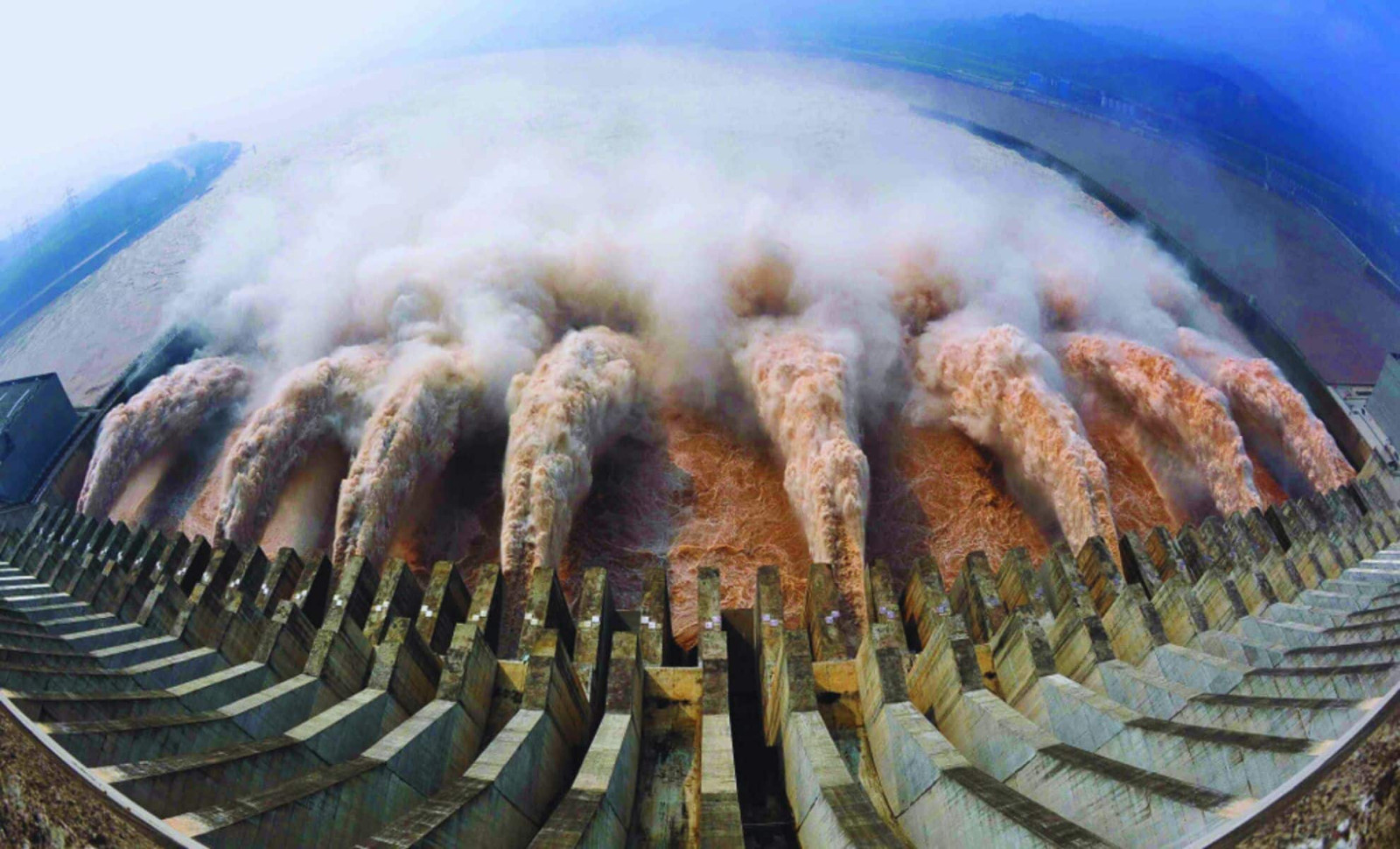
China already hosts the world’s leading hydropower installation with Three Gorges. The new Tibetan cascade is designed to generate even more electricity and is central to national strategies for reducing carbon emissions. Although detailed timelines for each construction phase are yet to be disclosed, the completed facility will likely hold the record for the largest output from a single hydropower development.
With China dominating global hydropower capacity, this venture both extends its supremacy and pushes technical boundaries, as few countries possess Tibet’s unique landscape and the financial resources needed.
Significance of the Brahmaputra’s Watershed
The Yarlung Tsangpo feeds into the Brahmaputra River system, essential for agriculture, drinking water, and natural habitats in India and Bangladesh. India has previously voiced concerns regarding upstream water management's impact on downstream flow. Now confirmed construction reignites these worries amid increasing regional emphasis on water security.
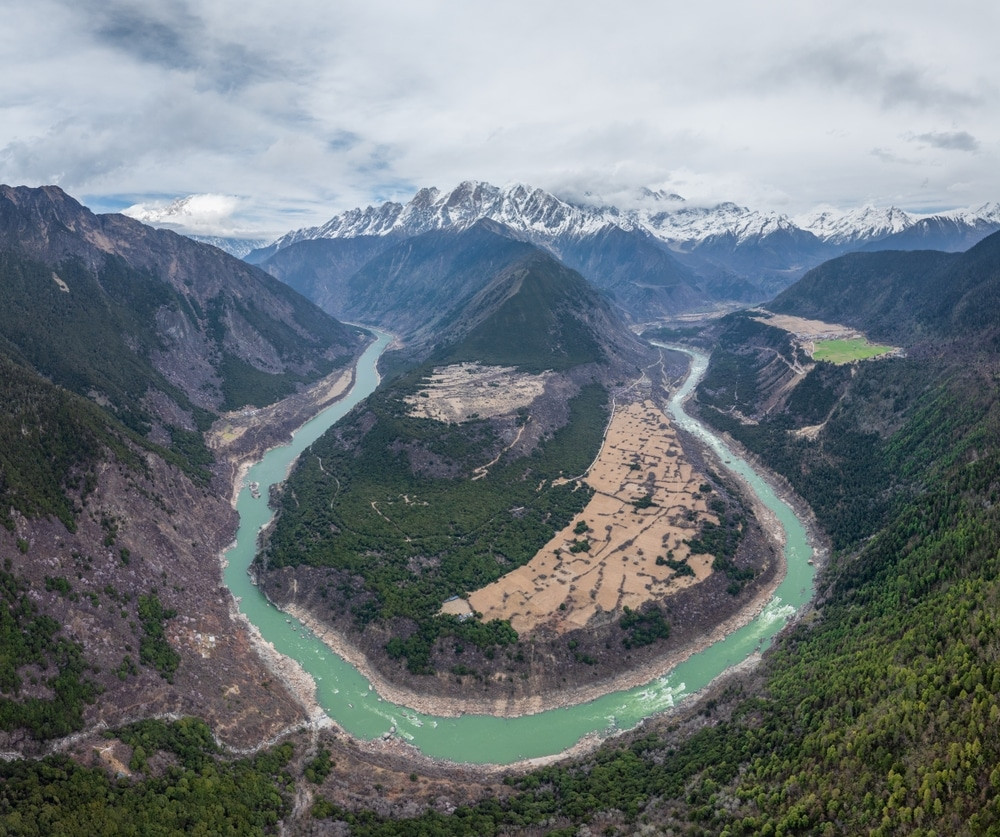
Chinese officials maintain the project focuses on power generation rather than significant water storage or diversion. Nevertheless, any alterations in flow of a transboundary river invite scrutiny. The dam is anticipated to remain a subject of negotiation between China and India. Environmental organizations and neighboring states emphasize the river’s cross-border nature, reinforcing the need for collaborative management even if China proceeds independently.
As large-scale infrastructure continues proliferating across South Asia, governance of shared waters faces intensified challenges, with this effort highlighting the critical need for upstream-downstream cooperation.
Ecological Vulnerability and Earthquake Concerns
The Tibetan Plateau, one of Asia’s most sensitive ecosystems, lies near significant fault lines, posing substantial engineering and safety considerations. Environmental advocates highlight that large dams can disrupt sediment flow, degrade ecosystems, and reduce biodiversity.
The International Campaign for Tibet has noted that past hydropower projects in this region have resulted in community displacement and lacked sufficient transparency, as chronicled by Save Tibet.
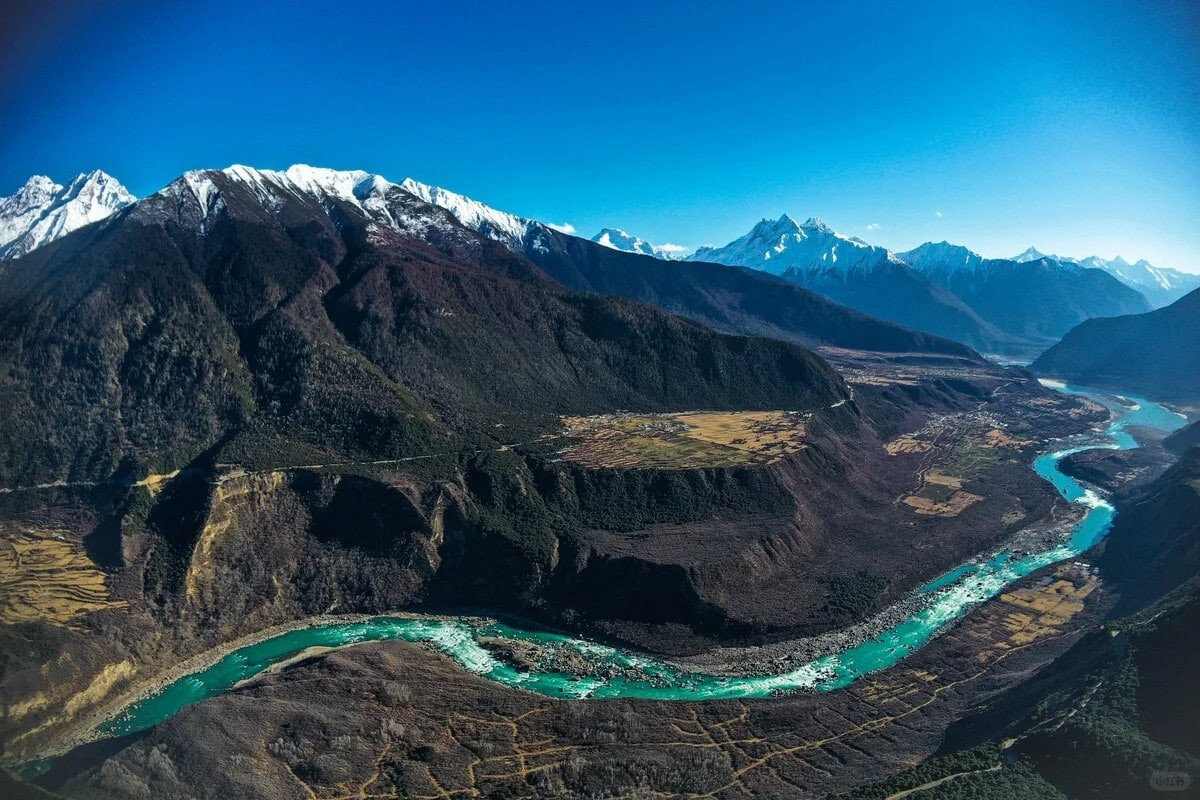
So far, Chinese agencies have not disclosed comprehensive environmental impact studies alongside their initial updates, instead focusing on technical feasibility and economic benefits. External groups continue demanding detailed evaluations and more public involvement. The seismic activity in the area adds complexity to ensuring the structural resilience of such a massive facility.
Hydropower Integral to China’s Clean Energy Plans
China prioritizes hydropower within its renewable energy portfolio for its ability to provide stable base power that complements intermittent wind and solar sources. The Yarlung Tsangpo project aligns with China’s long-term goal of expanding non-fossil energy capacity. Officials tout this development as a key component in enhancing energy security and reducing carbon emissions.
The roughly 1.2 trillion yuan capital injection reflects the immense scale and complexity of the endeavor. State media recognize the initiative as one of the most ambitious hydropower projects globally and confirm construction has officially started.
Although specific phase completion targets remain unspecified, the project’s progress signifies a notable advancement in extensive renewable infrastructure deployment.
- Categories:
- News








0 comments
Sign in to Comment