
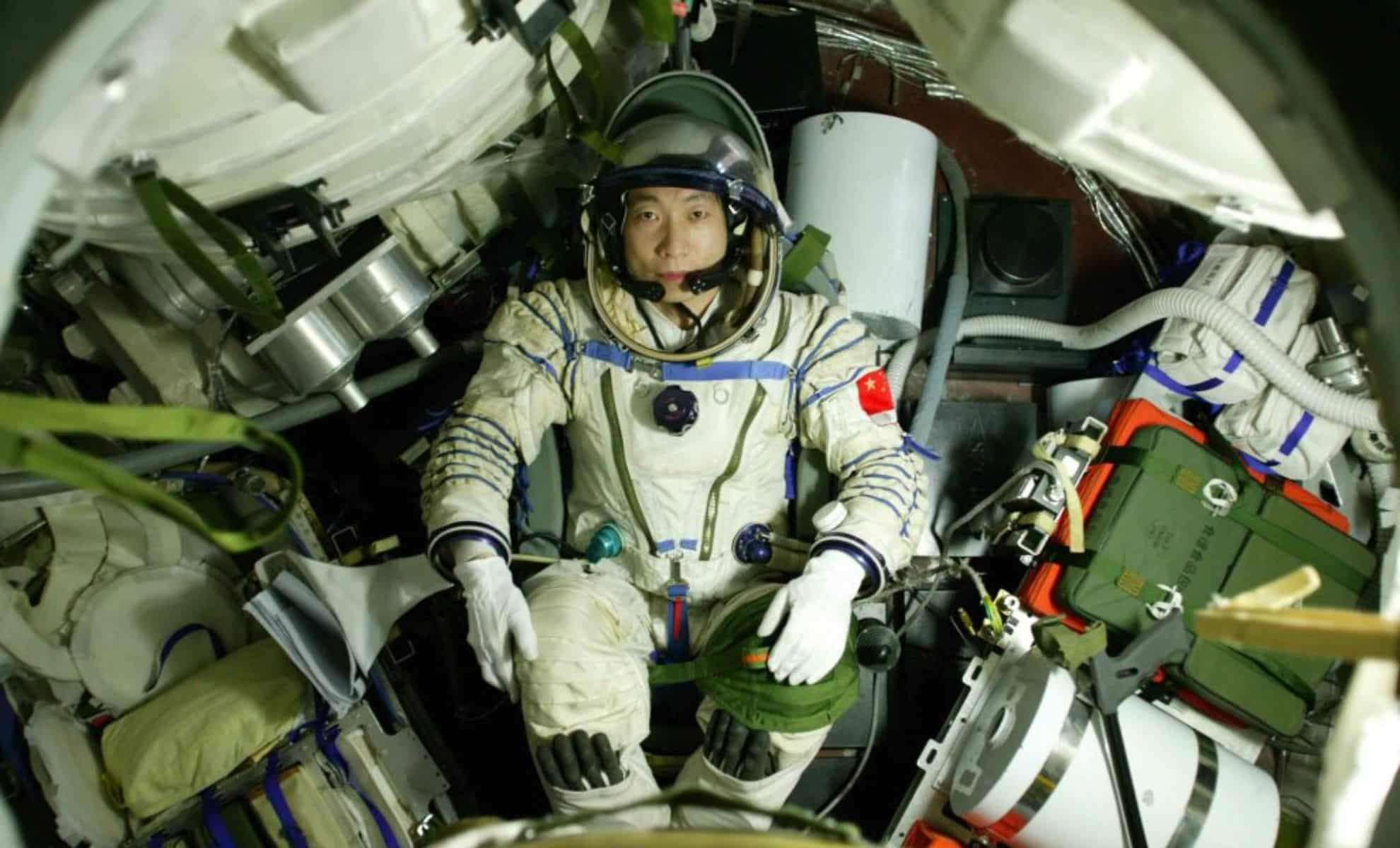
Back in 2003, Yang Liwei, the first astronaut from China to venture into space, experienced an unusual knocking noise aboard the Shenzhou 5 spacecraft while circling Earth. This curious event resurfaced in a detailed interview covered by BBC News. Even after more than twenty years, the source of the sound remains unexplained and it is not an isolated incident.
The Origin of the Strange Noise
During Yang's solo mission on Shenzhou 5, he distinctly heard knocking that couldn't be linked to the spacecraft’s mechanical functions or any external phenomena. In a recent conversation, he described it as similar to tapping on the hull with a wooden hammer. Despite thorough checks, the cause of this knock was never found, nor could it be recreated.
Yang’s experience only became widely known recently, sparking renewed curiosity about this mystery. The event is particularly puzzling because sound cannot travel in the vacuum of space without a medium. Yang stated that the noise appeared to come “neither outside nor inside” the capsule, and even after inspecting through the window, he saw nothing unusual.

The enigma deepened as later Chinese astronauts reported comparable noises during their missions. Reports indicate that similar knocking was heard during Shenzhou 6 in 2005 and Shenzhou 7 in 2008. Now an esteemed leader in China's space endeavors, Yang advised fellow astronauts to expect this phenomenon so it wouldn’t cause alarm. Within the Chinese space community, these sounds have come to be viewed as a “routine occurrence.”
Scientific Theories and Possible Explanations
Scientists have proposed several potential explanations grounded in engineering and physics. Professor Goh Cher Hiang of the National University of Singapore suggested that micrometeorite impacts or tiny debris striking the spacecraft may have caused vibrations traveling through the metal hull, producing the knocking effect. While plausible, he cautioned that this remains conjecture.
Another hypothesis by Wee-Seng Soh, also from the National University of Singapore, focuses on thermal expansion and contraction of the spacecraft’s components. The extreme temperature shifts in orbit might cause structural elements to move or contract, generating sounds. Still, no conclusive evidence links these processes to the noises Yang reported.
Space Sounds Beyond China’s Orbit
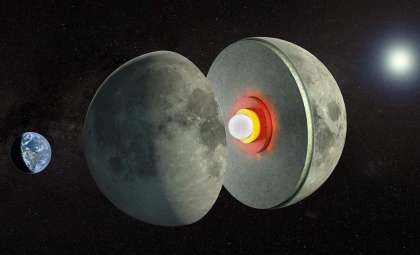
Yang’s strange auditory experience is not unique in the history of space travel. Crew members on NASA’s Apollo 10 mission in 1969 reported hearing mysterious whistling noises while orbiting the far side of the Moon, out of Earth’s communication range.
These recordings, released years after the mission, were intriguingly called “space music” by the astronauts. NASA has suggested the sounds might result from radio interference, though the phenomenon remains open to interpretation.
More recently, NASA published audio captured by the Juno spacecraft orbiting Jupiter. These eerie, shifting sounds—converted from radio waves to audible frequencies—remind us that while the cosmos appears silent, it can produce surprising acoustic phenomena.
- Categories:
- News





0 comments
Sign in to Comment