
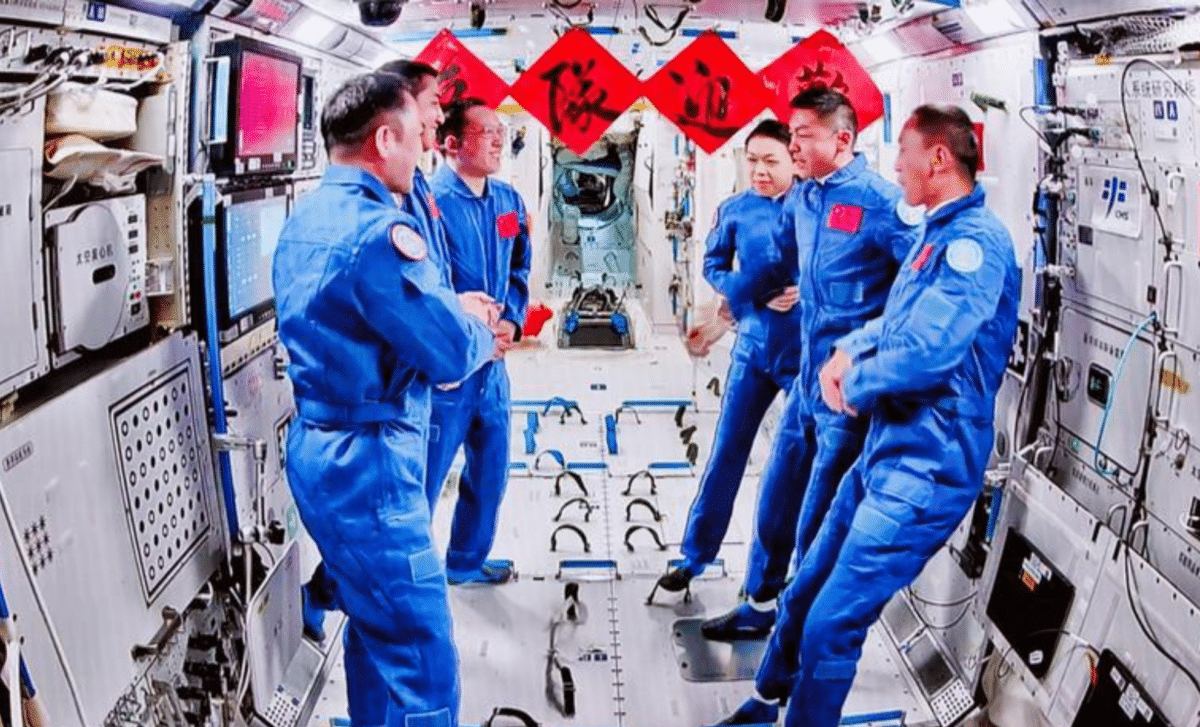
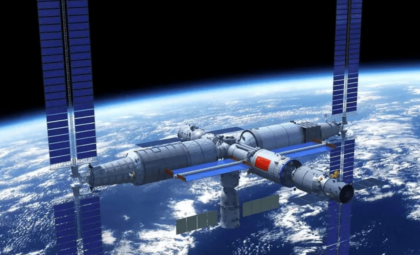
The current crew aboard China’s Tiangong space station has successfully completed their inaugural in-orbit medical emergency drill. This accomplishment underscores the advancing complexity of China’s human spaceflight initiatives. The drill is aimed at equipping astronauts with the skills needed to handle medical crises in the distinctive microgravity environment, which supports China’s goal of undertaking extended missions beyond low Earth orbit.
Adapting Medical Procedures for Space Conditions
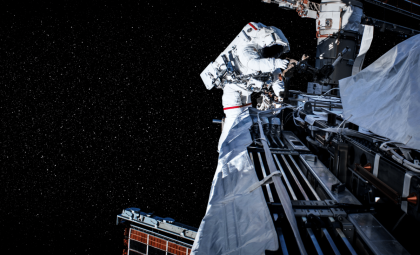
Managing medical emergencies on Earth is inherently difficult, but in the weightless conditions of orbit, it becomes far more challenging. The absence of gravity demands that even simple movements be modified, and medical techniques requiring controlled positioning or pressure must be relearned. As noted by Xinhua, the Shenzhou-23 crew members—Zhu Yangzhu, Zhang Zhiyuan, and Li Jiaying—engaged in specialized rescue training tailored to these unique conditions.
Information from the China Manned Space Agency (CMSA) highlights that the training emphasized rescue strategies and the application of force within a microgravity setting. Understanding how objects, tools, and crew members behave without gravity is vital, especially when every moment counts in a medical emergency. This effort aligns with global space agencies' recognition that increased medical autonomy aboard spacecraft is essential as missions grow longer and crews face longer isolation from Earth-based help.

Support for Extended Human Presence in Space
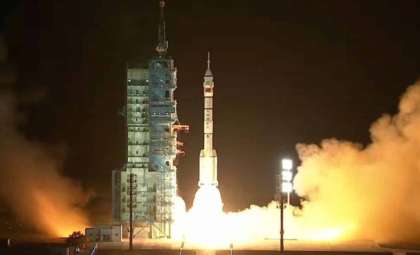
The Shenzhou-23 mission initiated on May 24, 2026, transporting astronauts to China’s continuously inhabited Tiangong station. Though the medical drill garnered significant attention, it is only one aspect of a much broader scientific program. A key feature of this mission is a year-long orbital stay designed to collect vital data regarding the effects of prolonged human habitation in space.
Extended space missions present numerous physiological and psychological challenges, including muscle atrophy, bone density loss, metabolic shifts, cognitive adjustments, and emotional wellbeing concerns. By prolonging time in orbit, Chinese researchers aim to deepen understanding that will aid future missions where astronauts are required to live and operate in microgravity for extended durations. These findings are crucial for advancing plans for lunar and deep-space expeditions.
Investigating Human Health Adaptations in Orbit
In addition to emergency preparedness, the crew is engaged in a variety of scientific studies exploring how prolonged exposure to space alters human biology and psychology. Noteworthy among these is the use of a space Raman spectrometer to study connections between gut bacteria and nutritional metabolism during extended stays in microgravity.
The gut microbiome has gained recognition for its key role in overall health, influencing immunity, digestion, metabolic function, and mental states. Monitoring these interactions in space allows researchers to better grasp how microgravity impacts biological systems and to develop potential countermeasures for future missions.
The astronauts have also contributed to experiments focused on visual motion perception and intuitive physics in a zero-gravity environment. These investigations look at how the brain’s processing of movement and spatial relationships changes without gravity—knowledge vital for the operation of complex equipment and safe maneuvering in space.
Examining Psychological Resilience and Cognitive Function
Human capabilities in space encompass more than physical health alone. The Shenzhou-23 crew has participated in studies assessing emotion recognition and decision-making under emergency situations. These efforts aim to determine how long-term exposure to space impacts cognitive skills and mental toughness.
Future missions, potentially occurring at great distances from Earth, will face communication delays that prevent immediate guidance from mission control. This necessitates astronauts' ability to make swift, effective choices autonomously. Studying psychological responses and stress management during spaceflight yields valuable insights into sustaining optimal crew performance on extended missions.
Moreover, such research may inform the development of enhanced training protocols, spacecraft design, and support systems focused on safeguarding astronaut mental health. As space exploration ventures further, psychological preparedness is emerging as equally vital as engineering excellence.
- Categories:
- Space



0 comments
Sign in to Comment