
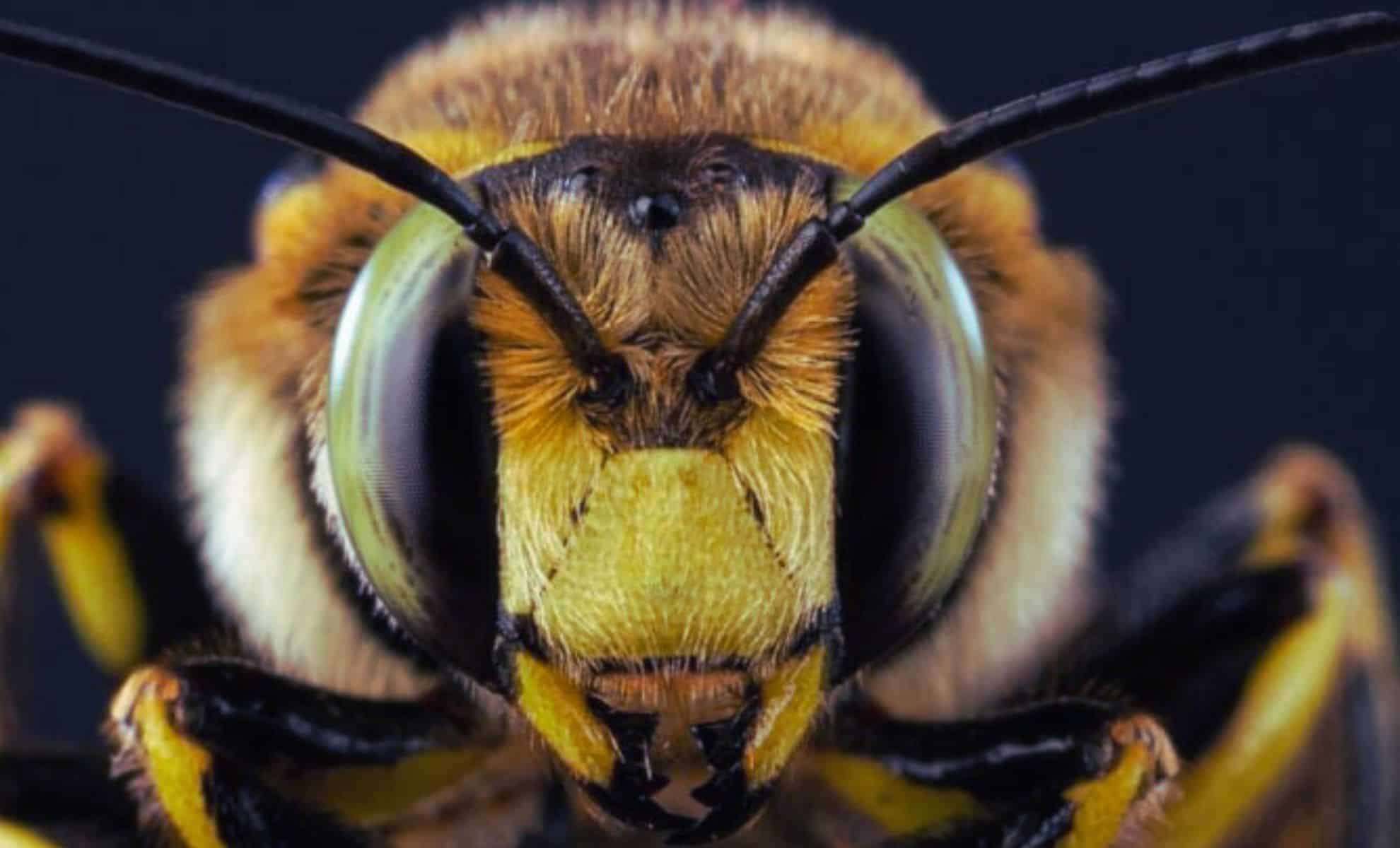
In a pioneering blend of biological science and advanced engineering, scientists in China have engineered bees embedded with microchips that enable remote direction of their movements. This groundbreaking creation introduces new horizons for biohybrid robotics but simultaneously sparks significant ethical debates. Let's explore the technology behind this innovation, its functionality, and potential implications for the future.
How the Cyborg Bees Technology Operates
As reported by South China Morning Post, researchers at the Beijing Institute of Technology have developed an ultra-lightweight microchip that can be affixed to a bee without interfering with its flight. The chip, weighing only 74 milligrams, is a minimal load relative to the insect’s body mass, allowing normal aerial mobility.
This device is engineered to transmit targeted electrical signals to the bee's brain via three microscopic electrodes, triggering sensory inputs that control navigation commands, such as turning or moving forwards and backwards.

This innovation exemplifies the advances in robotic miniaturization—integrating a sophisticated electronic control system into an insect without compromising its natural capabilities. In experimental trials, the technology successfully influenced nine out of ten bees to respond to directional prompts, demonstrating greater precision than earlier bio-robotic attempts with insects like cockroaches.
Applications of Cyborg Bees
The practical implications of this technology are extensive and intriguing. With their innate ability to fly up to five kilometers continuously, bees are natural explorers, making them suitable for tasks involving search and reconnaissance. Their endurance and efficiency make them ideal candidates for missions in hazardous or hard-to-reach areas where human presence or drones may be limited.
In scenarios such as disaster response, these cyborg bees could be instrumental in detecting survivors or assessing structural damage in locations inaccessible to conventional rescue methods. Their natural flight dynamics provide an agile and effective alternative to bulkier robotic systems, marking a significant step forward in biohybrid machine development.
Ethical Considerations Surrounding Control of Living Organisms
This emerging technology, while promising, poses complex ethical questions. One major concern is the potential misuse of cyborg bees for covert surveillance. Although current research focuses on beneficial applications like environmental monitoring and rescue operations, experts warn about the risk of these modified insects being covert spying tools.
The current dependency on a wired power supply limits their operational range, but ongoing efforts to develop wireless energy transmission raise concerns about expanded surveillance capabilities, prompting dialogue about balancing innovation with privacy rights and ethical standards.
The Future Trajectory of Cyborg Bee Research
Although the development of cyborg bees is promising, several challenges remain. Presently, their reliance on tethered power restricts flight freedom, necessitating laboratory conditions for operation. Researchers are actively seeking wireless power solutions to enable untethered flight and broaden practical use cases.
Ensuring the long-term health and wellbeing of bees bearing implanted technology also remains a priority. While short-duration experiments show success, the endurance and safety of such bio-engineered organisms require thorough assessment to responsibly advance this hybrid technology.
- Categories:
- Science











0 comments
Sign in to Comment