

A recent investigation by NASA, leveraging contributions from the Solar Active Region Spotter citizen science program, has brought to light new understanding of solar flare patterns. Global volunteers assisted researchers in identifying that solar active regions with longer lifespans generate significantly more frequent and intense flares compared to those that dissipate quickly. This finding could transform space weather forecasting by deepening insight into solar magnetic structures and their influence on Earth.
The Solar Active Region Spotter Initiative: Harnessing Public Participation for Space Weather Research
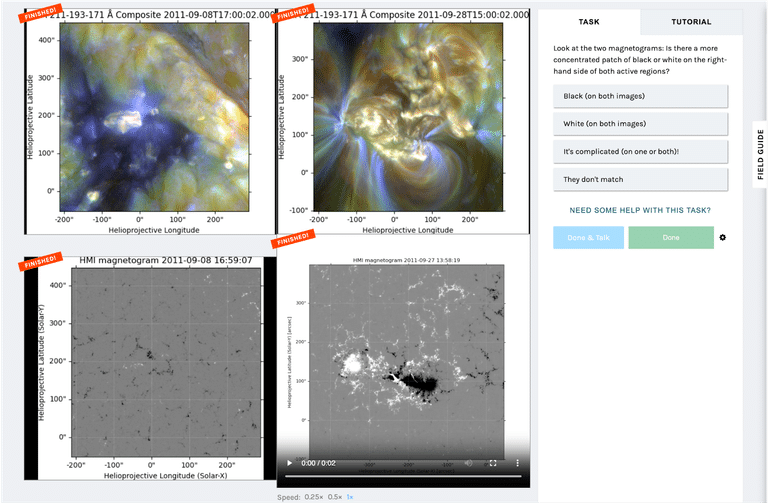
NASA has long employed citizen science to advance space exploration. The Solar Active Region Spotter project enabled volunteers to examine solar imagery from the Solar Dynamics Observatory (SDO). By analyzing sequential images of active solar surface areas, participants supported investigations into magnetic activity, focusing on zones prone to initiating solar flare events.
While many solar phenomena endure just days or weeks, certain active regions maintain their magnetic signatures for months. These persistent areas identified in NASA’s recent publication are revealed as the driving sources behind the most powerful solar flares. The team found that these long-lasting regions disproportionately generate intense flares impacting both solar activity and Earth’s geomagnetic environment.

The Importance of Long-Duration Active Solar Regions
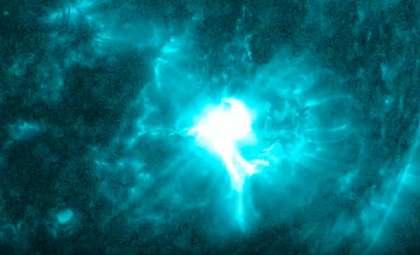
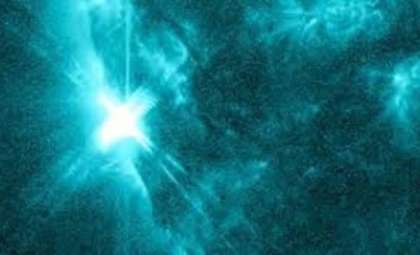
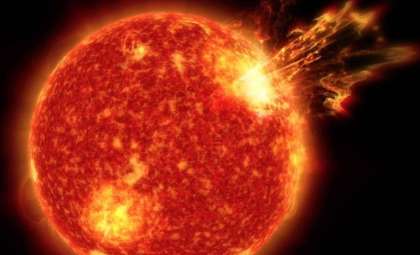
Gaining insight into solar regions that endure for extended periods is crucial for improving solar flare predictions. Results indicate that these lasting active zones exhibit a three to six times greater likelihood of unleashing extreme flares compared to short-lived counterparts. Solar flares unleash enormous energy that can disrupt satellite communications, GPS navigation, and electrical power infrastructure on Earth. This advancement marks a key step toward enhanced preparedness against solar flare impacts.
Moreover, data implies that sustained active regions might unveil underlying magnetic processes within the Sun. As solar surface dynamics evolve, monitoring these long-lived areas provides valuable clues about the internal solar cycles and magnetic field interactions over time.
The Impact of Space Weather on Modern Technology
Although solar flares might appear remote, they can seriously disrupt systems on Earth. These energetic events may interfere with satellite functions, cause communication blackouts, and spark geomagnetic storms that threaten electrical grids. Given the growing dependency on space-based technology, advancing our understanding of solar behavior is essential.
The findings from this study underscore the value of developing sophisticated space weather forecasting methods. Concentrating on long-lived active solar regions can enable researchers to build superior predictive models, ultimately reducing the adverse effects of solar flares on contemporary technology. As research progresses, enhanced predictions will play a vital role in protecting technology-reliant societies worldwide.
- Categories:
- News









0 comments
Sign in to Comment