
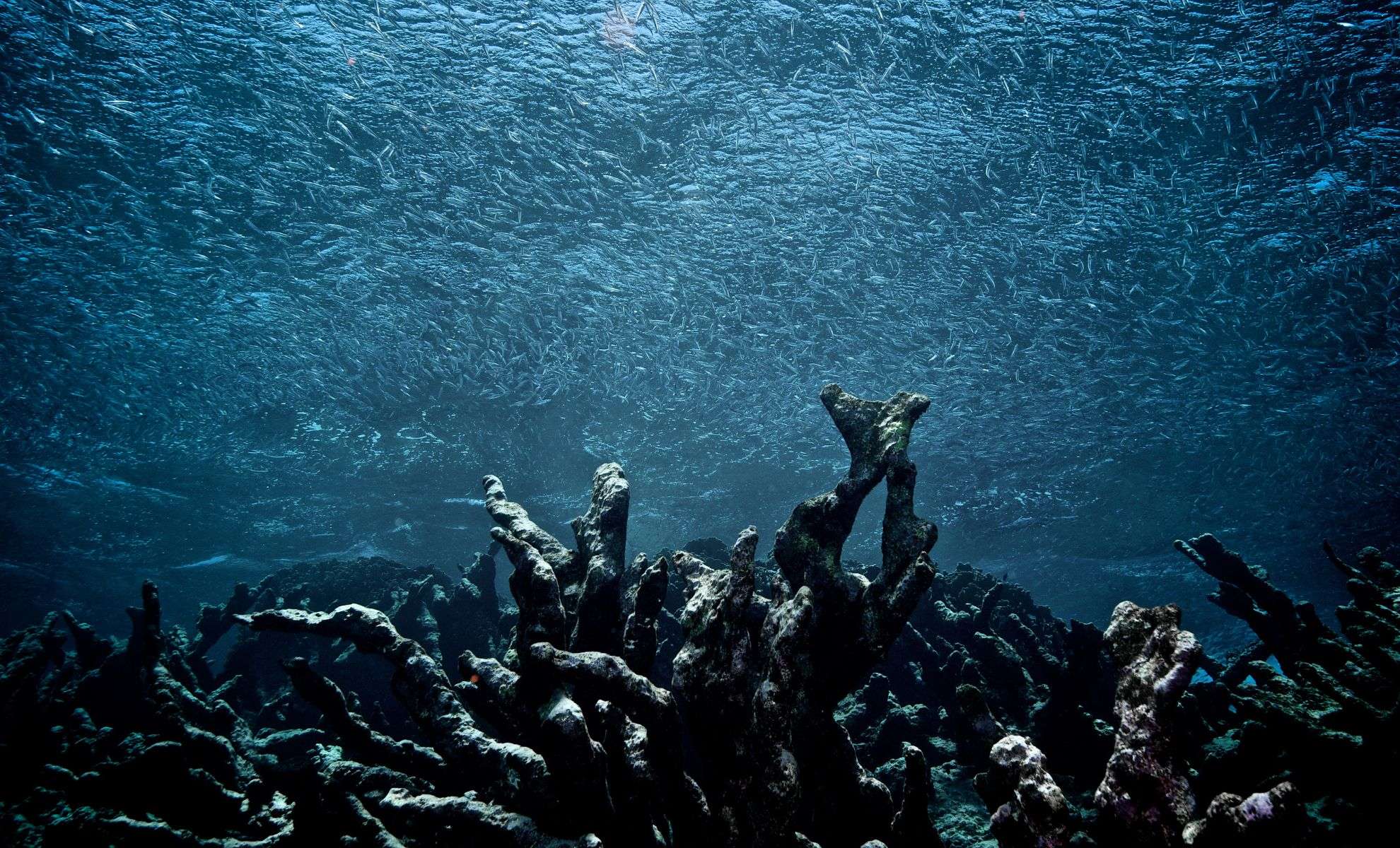
Our planet has crossed a crucial climate boundary: warm-water coral reefs can no longer endure the current global temperature levels. The 2025 Global Tipping Points Report reveals that widespread coral mortality confirms the first breach of a significant climate tipping point, signaling urgent concerns for Earth's future.
Disintegration of Coral Ecosystems
Experts confirm that the downfall of coral habitats is no longer a distant threat. Increasingly severe ocean heatwaves have accelerated the rate and frequency of coral bleaching worldwide, drastically reducing recovery intervals. This anticipated tipping point has now been officially reached.
The comprehensive report, compiling insights from 160 scientists across 23 nations, highlights a sobering fact: global average temperatures have surpassed the 1.2 °C mark above pre-industrial levels — a threshold that triggers mass coral bleaching events. The effects extend beyond marine environments, impacting the livelihoods of more than 500 million people who depend on these reefs.

As reported by ScienceAlert, the Great Barrier Reef has suffered six bleaching episodes in under ten years. Other reef systems, such as Florida’s Sombrero Reef, have experienced similar mass die-offs throughout the Caribbean and Indo-Pacific regions.

Unprecedented Ocean Heatwaves Prevent Coral Recovery
The rate of reef destruction is escalating rapidly. Tim Lenton, an Earth systems expert at the University of Exeter, points out that global temperatures have hovered near 1.5 °C above pre-industrial levels during much of the past two years, leading to “unparalleled bleaching impacting 80 percent of the planet’s reefs.” The shortened intervals between bleaching events leave little chance for coral communities to rebound.
The 2025 Global Tipping Points Report attributes these devastating patterns to human-induced climate change, with oceanic heatwaves fueled by greenhouse emissions driving the accelerated coral decline.
“These repeat mass bleaching events are now occurring too close together for reefs to recover,” Lenton told ScienceAlert, “triggering the mass death of corals we’re now witnessing.”
Coral Loss Endangers Billions of People and Ecosystem Services
Coral habitats contribute approximately US$2 trillion annually through tourism, fisheries, and coastal defense. Their loss would greatly increase the physical and economic risks faced by coastal communities.
“More than half a billion individuals rely on these reefs for their income,” explains Lenton. This group includes small island populations, fishing-dependent societies, and urban areas that benefit from the natural storm protection reefs provide. The report emphasizes that reef destruction also means losing critical breeding ecosystems, disrupting marine food webs and accelerating biodiversity decline.
While coral restoration efforts have offered some hope, the report underscores that such interventions will remain limited in effectiveness unless global warming is curtailed. Restoration cannot counterbalance the pace of reef destruction under ongoing temperature rise.
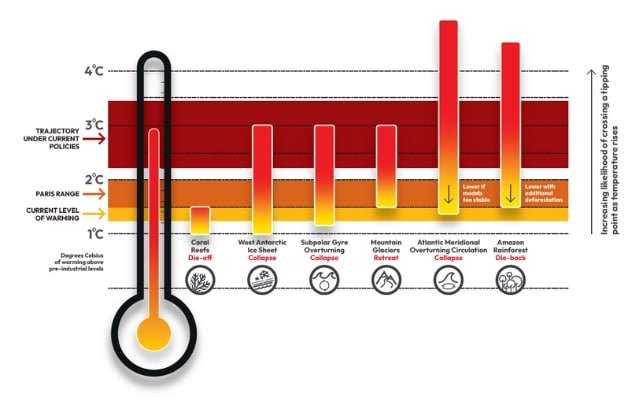
Climate Domino Effect: Other Earth Systems Near Critical Limits
The report also warns that major planetary systems like the West Antarctic and Greenland ice sheets are showing signs of instability, potentially accelerating irreversible sea level changes.
WWF-UK’s chief scientist, Mike Barrett, stresses the broader implications, stating that failure to act decisively could precipitate the collapse of the Amazon rainforest and disrupt key ocean currents, consequences that would be “disastrous for human civilization.”
Despite some momentum toward transformative solutions, progress remains too slow. The report highlights possibilities for “positive tipping points”, such as rapid deployment of renewable energy systems, but underscores the urgent need for steep emissions reductions. Coral reefs now stand as a vivid indicator of losses already incurred and the narrow window left to avert deeper catastrophe.
- Categories:
- News








0 comments
Sign in to Comment