
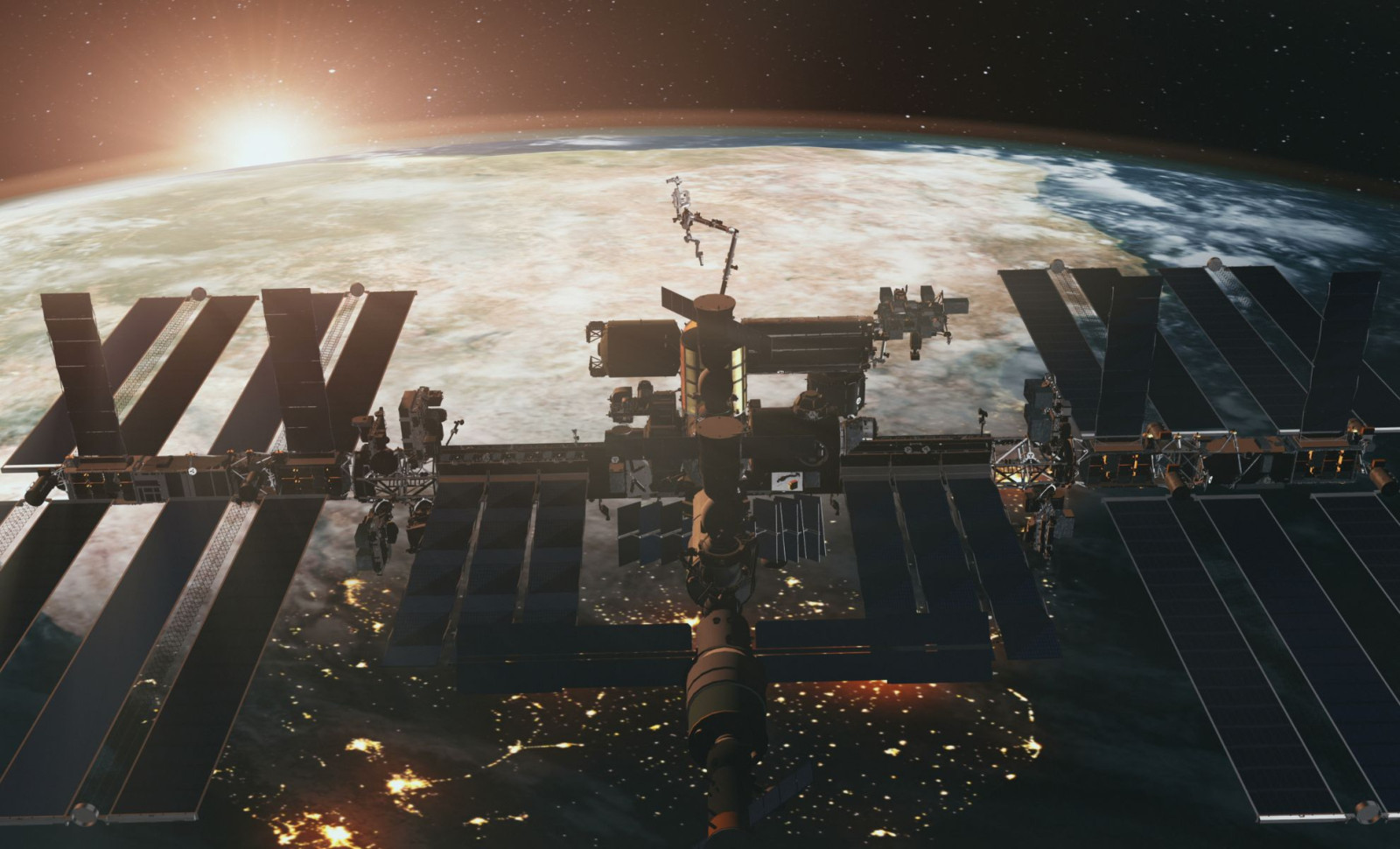
A novel approach could soon help astronauts maintain hygiene far from Earth by eradicating bacteria from fabrics without using water. Scientists have tested a portable plasma generator capable of disinfecting clothing contaminated with microbes.
Ensuring sanitation on extended spaceflights involves more than just transporting astronauts and supporting their basic needs. Crew members confined for months must tackle microbial contamination and hygiene challenges on personal items, which gains importance on missions to distant destinations where resupply is limited or unavailable.
Currently, astronauts aboard the International Space Station (ISS) do not launder garments but reuse them until they are no longer wearable, relying on frequent resupply deliveries. For missions to the Moon and Mars, where continuous restocking is impractical, alternative solutions must be developed to uphold hygiene while conserving resources.

Insights into Spacecraft Microbial Communities
Even with rigorous cleaning, bacteria persist in the ISS environment. Samples from high-touch areas like handrails and ventilation systems show significant bacterial presence on surfaces that seem clean.
Live Science reported that microbes surviving on metal surfaces aboard the station can adapt and behave uniquely in microgravity, raising concerns about their effects on astronauts and spacecraft systems.
Clothing is only one part of the challenge; future space habitats will likely include more fabric furnishings such as bedding and seating, potentially creating new reservoirs for microbial growth.
“You have a couch that six astronauts, or however many, are sitting on day in, day out. How do you keep that thing sanitized so that they don’t spread germs to each other?” Gabe Xu, a professor at the University of Alabama, told Live Science.
Evaluating Plasma for Spacecraft Bacterial Control
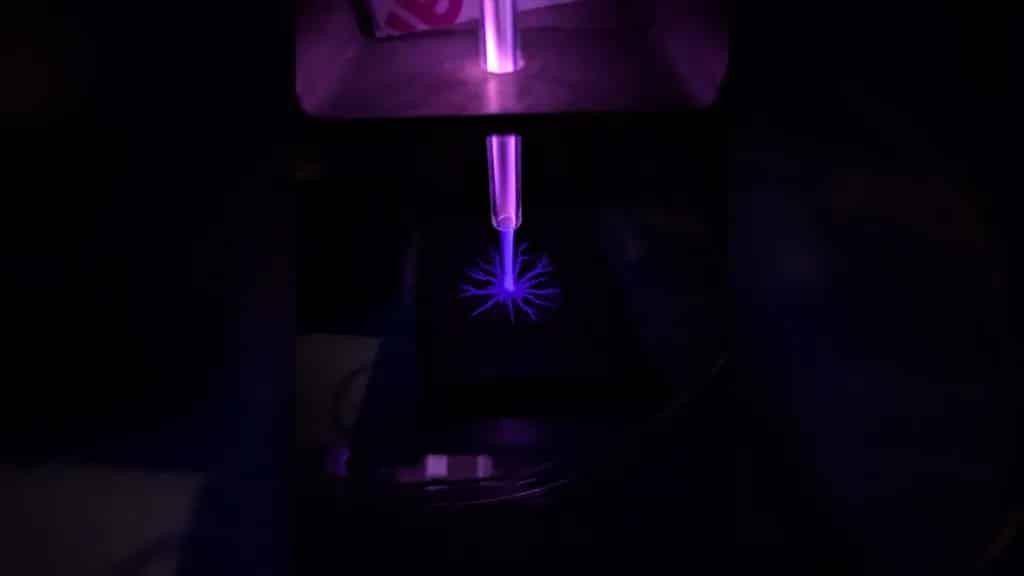
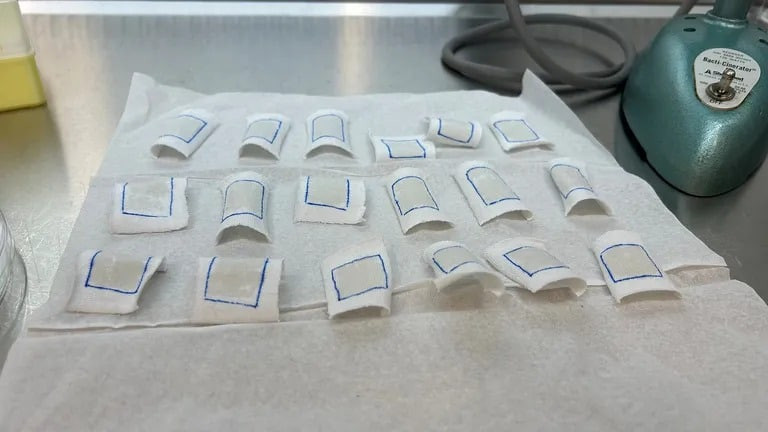
To explore plasma’s utility in cleaning microbes, Xu collaborated with Chelsi Cassilly, a NASA planetary protection expert. They studied Staphylococcus caprae, a skin bacterium also found aboard the ISS. Small cotton T-shirt segments were inoculated with this microbe and then exposed to a compact device that emitted a vivid purple plasma jet.
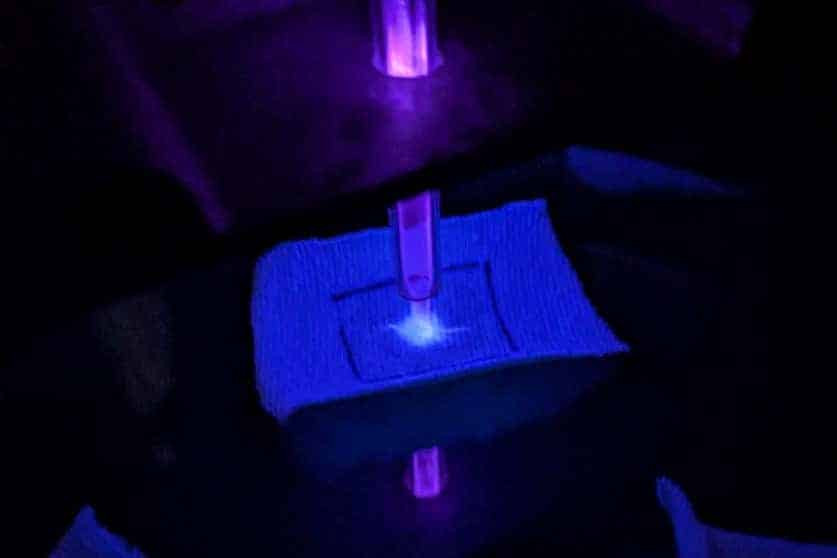
Plasma, an ionized gas containing charged particles, initiates chemical actions that target bacteria directly on the contaminated textiles. The research demonstrated the plasma’s superiority over current ISS sanitation techniques, including dry vacuuming and chemical wipes, in reducing microbial presence rather than removing visible stains.
“It is not going to remove the coffee stains from anyone’s T-shirt,” Xu said in comments reported by the source material. “But it will remove the stuff that will make you sick.”
Innovative Waterless Fabric Cleaning Method
Tests revealed that the plasma generated reactive oxygen and nitrogen species, which penetrated fabric fibers and destroyed bacterial membranes through oxidative damage. Treatment durations ranged from 30 seconds up to five minutes, with no evident harm to the cotton textile observed.
“We think that it’s probably not any worse than just normal wear and tear,” Xu told Live Science.
A key benefit of this approach is its independence from water, relying instead on electricity and a working gas, making it well-suited for environments where water conservation is critical.
The researchers plan to extend their investigations to other microbial types found in human-occupied environments and spacecraft. Xu emphasized focusing on bacteria commonly encountered in space habitats or produced regularly by humans.
“We’re focusing on things that we know exist up there, or that we know that people produce just as a matter of fact throughout their day, since these are the things that would likely be in a space habitat.”
These initial results were shared at The Astrobiology Science Conference held in Madison. The ultimate goal is to develop a handheld plasma sanitizer, enabling astronauts to routinely clean their clothes and fabrics aboard spacecraft and future extraterrestrial settlements.
- Categories:
- Science




0 comments
Sign in to Comment