
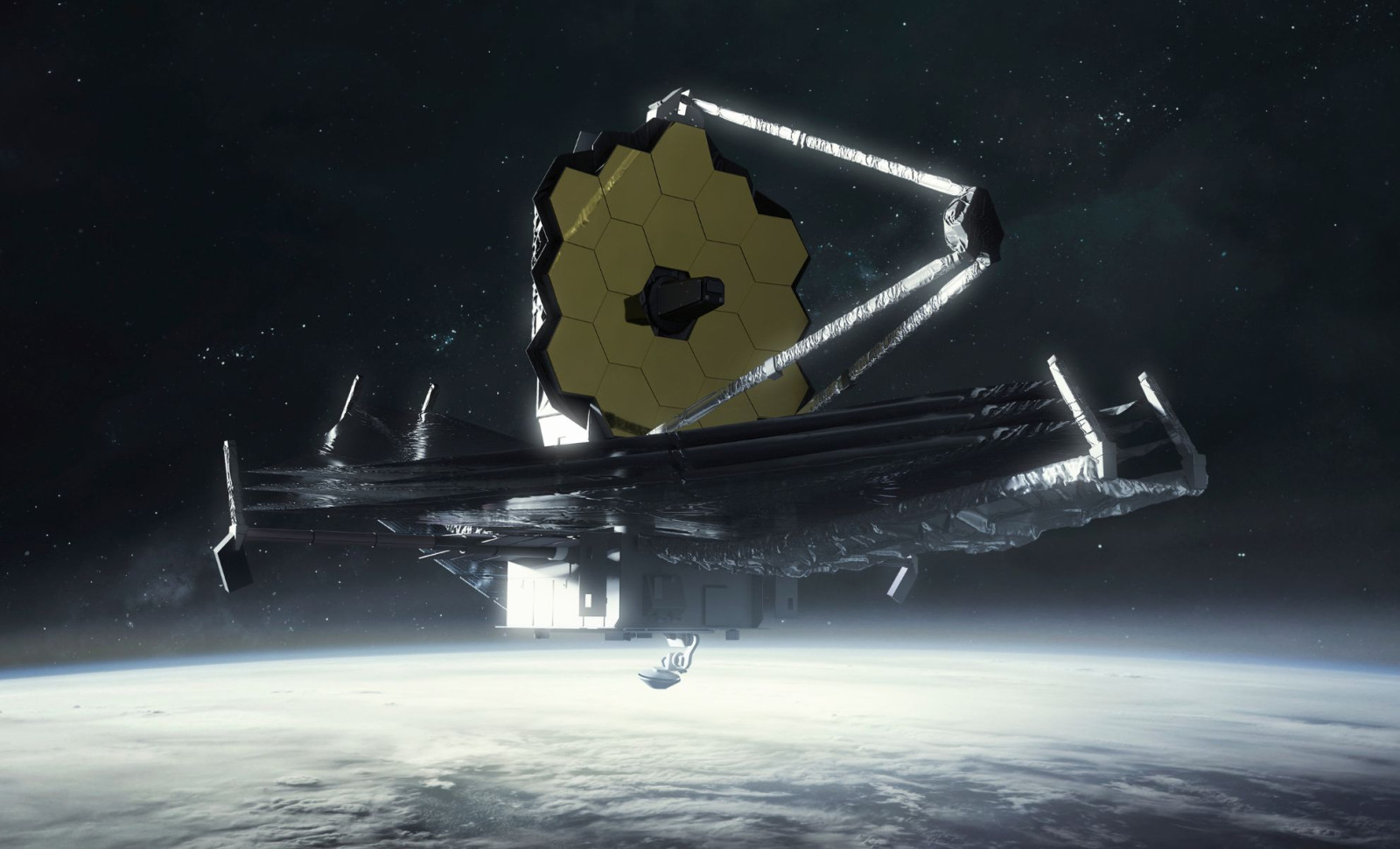
Engineers working on NASA’s James Webb Space Telescope have successfully overcome a significant technical challenge with a specialized observational mode. After years of troubleshooting unexpected detector issues, astronomers have proven this technique can capture highly detailed images of compact celestial bodies.
Since beginning its scientific mission in 2022, the James Webb Space Telescope (JWST) has revolutionized astronomy by detecting incredibly faint objects across the cosmos. Thanks to its 6.5-meter primary mirror, JWST offers unprecedented sensitivity, enabling scientists to study early galaxies formed shortly after the Big Bang.
In addition to its sensitivity, researchers have been aiming to enhance another key feature: spatial resolution. While the telescope excels at spotting dim targets, distinguishing tightly packed objects remains challenging in some observations. To address this, astronomers have employed a lesser-known mode that deliberately blocks portions of incoming light.

An Approach That Trades Brightness for Sharper Details
The method utilizes interferometry, which merges light gathered from multiple points to reveal intricate details of astronomical subjects. This technique is common in radio astronomy, where arrays of antennas function as one large observatory.
For JWST, the process is adapted uniquely. The Aperture Masking Interferometer (AMI), integrated into the Near-Infrared Imager and Slitless Spectrograph (NIRISS), features a small metal mask with seven tiny holes. Light passing through these apertures creates interference patterns that can be decoded to produce high-resolution images.
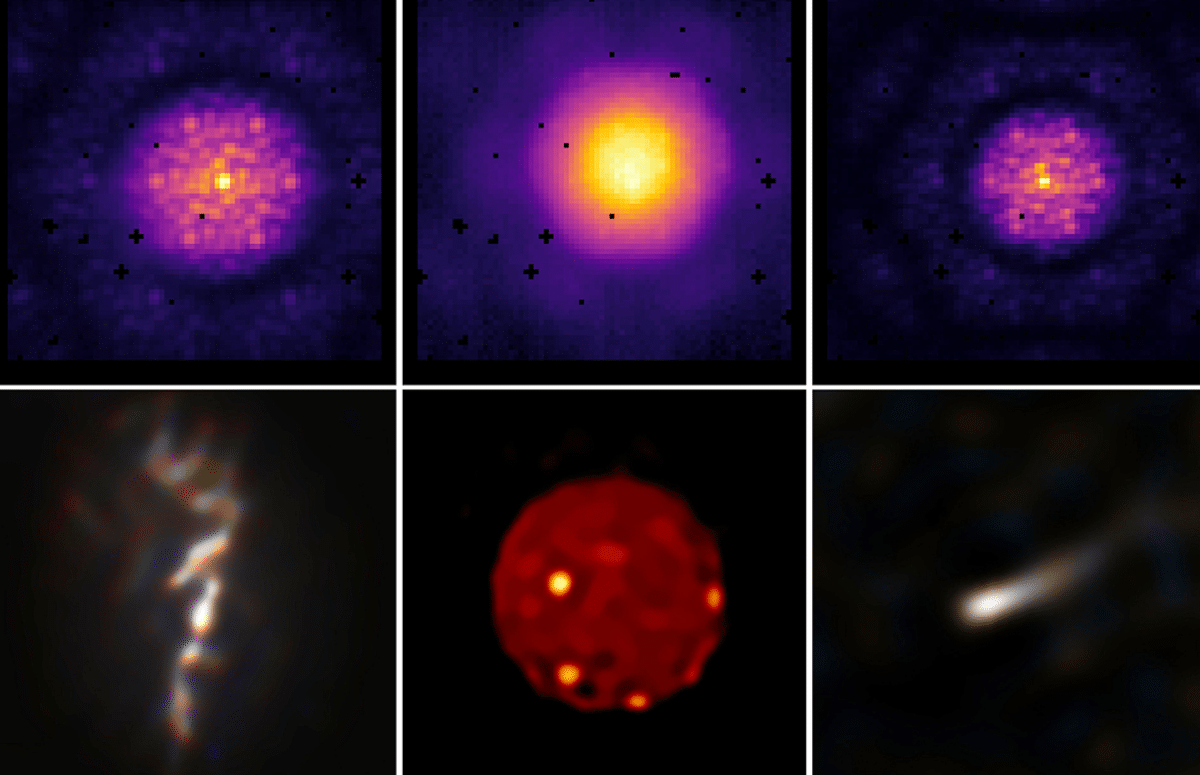
As documented by Science, the idea was incorporated into JWST’s blueprint back in 2008 thanks to the efforts of Anand Sivaramakrishnan at the Space Telescope Science Institute. The mask itself measures only about 5 centimeters in diameter.
This technique doesn’t enlarge the telescope or extend its physical aperture. Instead, it minimizes noise, enabling astronomers to extract finer details from bright, small-scale sources that might otherwise remain unresolved.
Initial Tests Revealed Detector Limitations
Early operations with the AMI mode delivered results that didn’t meet expectations. Scientists found that the NIRISS infrared detectors were being pushed beyond their ideal operating range. Charge leakage between neighboring pixels subtly distorted the interference data, degrading image fidelity and limiting resolution improvements.
“The initial results we got using this mode were not as good as we predicted,” Sasha Hinkley of the University of Exeter told Science, where the team discussed the challenges encountered during early testing.
Fixing these detector-related distortions was particularly complex. Because they were intertwined with the observed data, standard correction methods proved ineffective. This delay was a setback for scientists eager to see the instrument reach its full potential.
“Nothing was working,” Anand Sivaramakrishnan recalled when describing the initial attempts to make the system perform as intended.
A Comprehensive Model Unlocks Superior Imaging
The breakthrough came when the team shifted from trying to correct distortions post-observation to creating a detailed forward model simulating the entire system’s behavior.
Published in the Publications of the Astronomical Society of Australia, the new model integrates telescope optics, detector characteristics, electronic readout effects, and the distortions previously hindering image clarity. Scientists start with a guessed image, run it through the simulation, then compare with actual data, iteratively refining until the two match closely.
“I can’t think of another way to solve the problem than to just model it, which is what we did,” said Max Charles of the University of Sydney, a member of the research team.
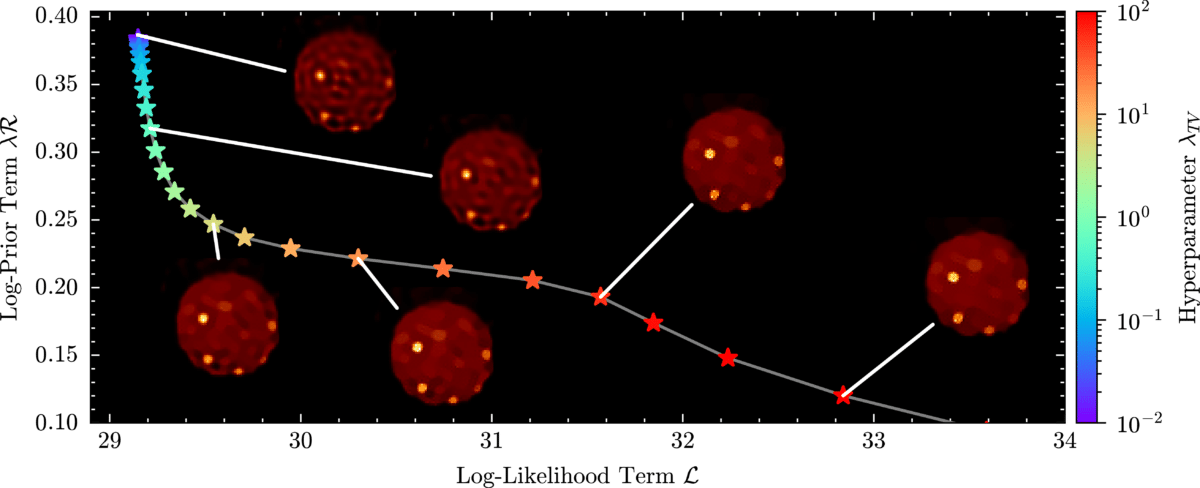
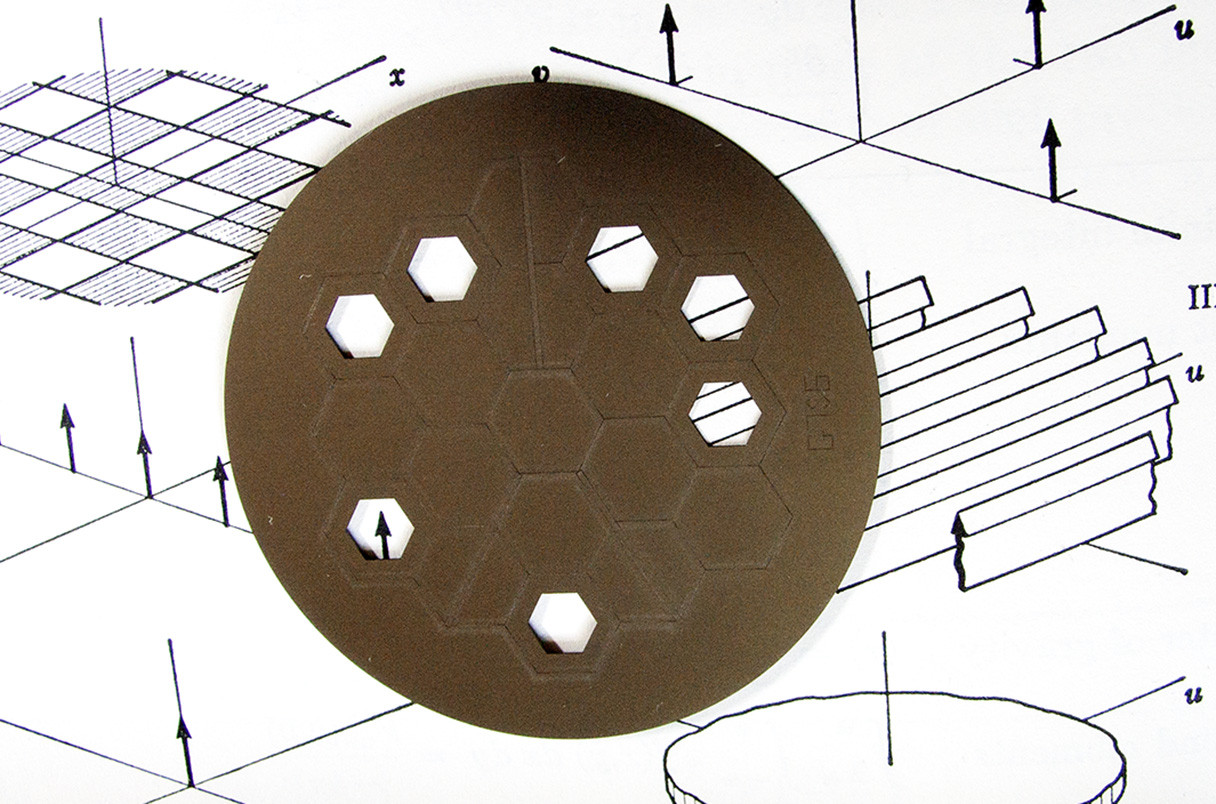
This refined technique has already yielded impressive results. The team has reconstructed images of Io, Jupiter’s moon, highlighting volcanic hotspots across its surface. They also studied a binary star system influencing surrounding dust and investigated the core of a distant galaxy, unveiling a spiraling jet emitted from a black hole. These successes indicate the once-struggling mode is now fulfilling its potential.
- Categories:
- Science







0 comments
Sign in to Comment