
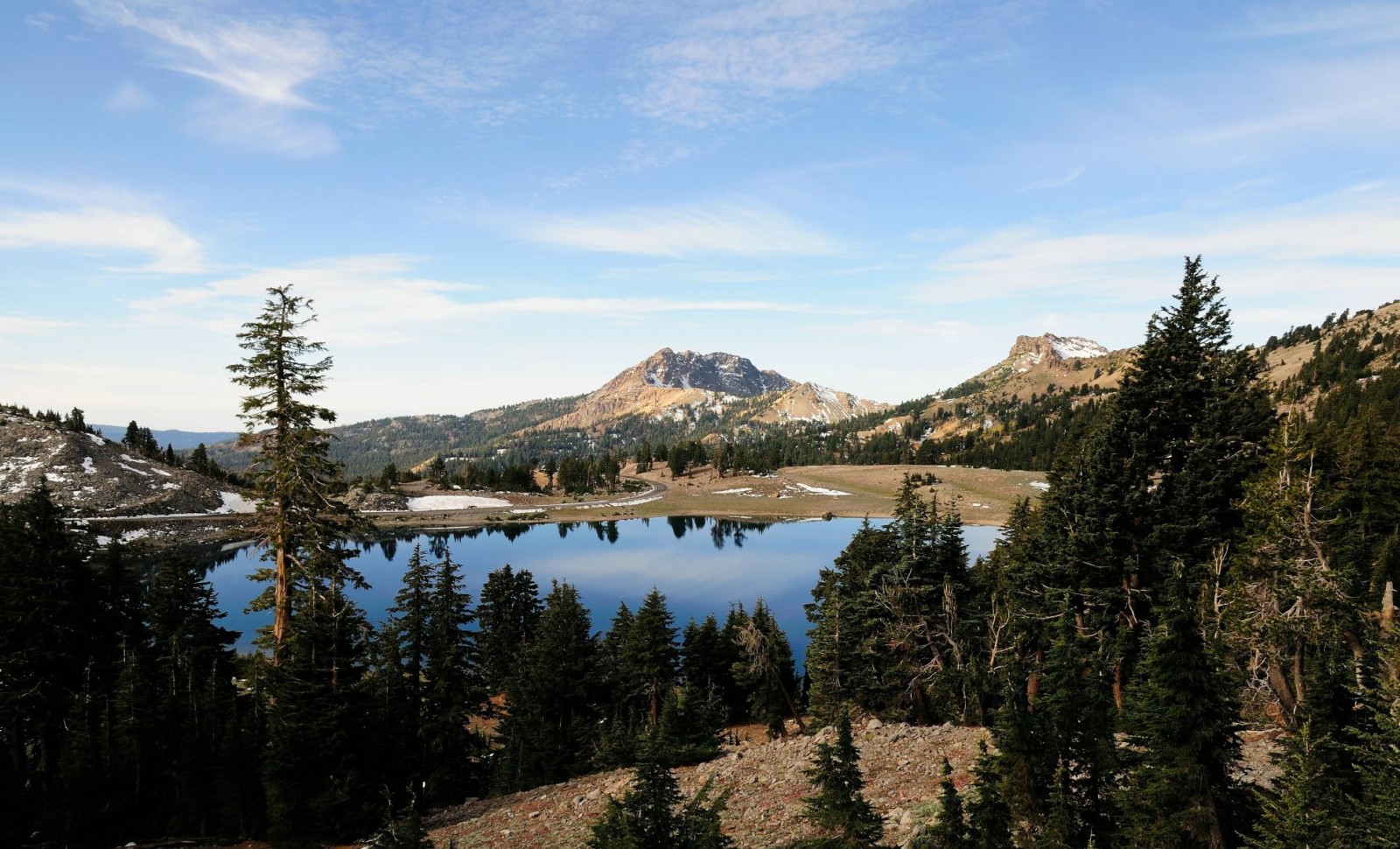
Researchers have identified a unique microorganism, dubbed the “fire amoeba,” flourishing in the blistering geothermal waters of a renowned national park. This solitary cell thrives in environments with temperatures far exceeding what most known life could tolerate.
The groundbreaking find took place within a U.S. national park famous for its hot springs and geothermal activity, locations once considered too extreme for most organisms. The fire amoeba, however, comfortably endures water temperatures soaring beyond 160 °F (71 °C). Scientists believe this extraordinary adaptation could reshape our understanding of life's limits on Earth and possibly in extraterrestrial settings.
Unveiling Tough Lifeforms Amid Boiling Waters
Hot springs within geothermal zones continuously intrigue the scientific community due to their intense conditions. The combination of elevated heat and harmful minerals generally discourages life. Yet, the existence of the fire amoeba in such hostile environments highlights nature’s incredible adaptability.

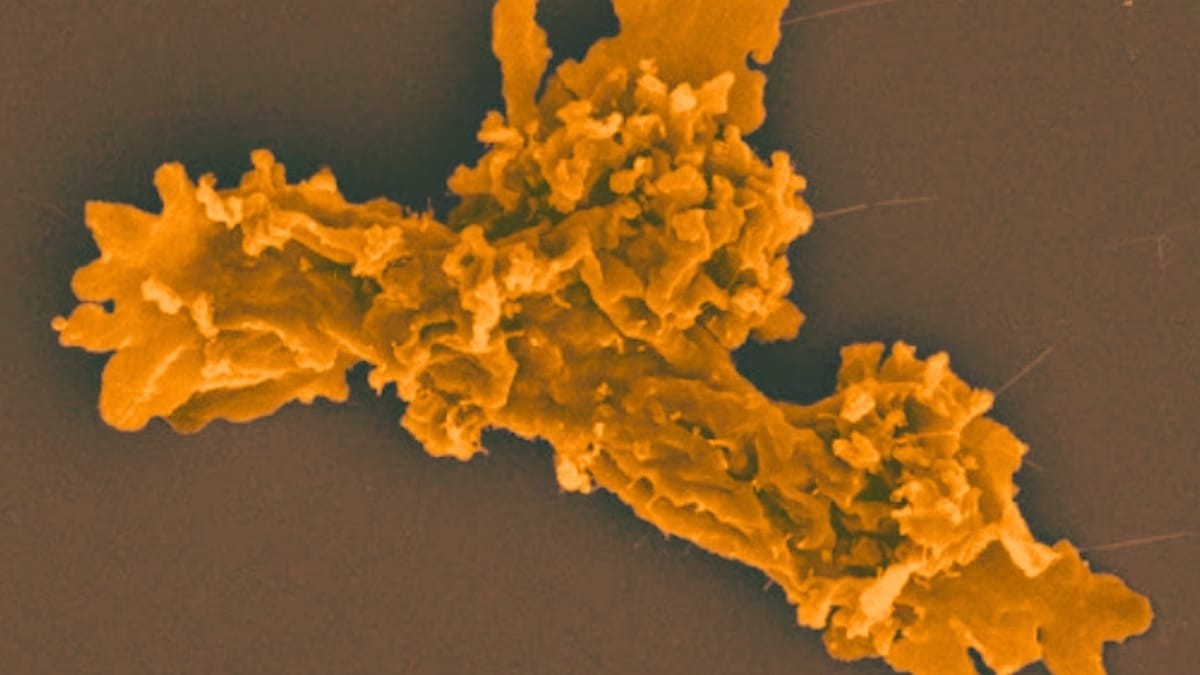
Published in a Nature on December 2, 2025, the study classifies the fire amoeba as an extremophile—a lifeform thriving where survival seems unlikely. This microorganism persists in geothermal pools that often reach boiling temperatures.
“Lassen is seemingly one of the overlooked national parks in the western U.S.,” explained Beryl Rappaport, a microbiologist at Syracuse University. “People think of Yellowstone for the hot springs, but Lassen has the largest geothermal lake in North America.”
Existence on the Extreme Fringe
The scientists emphasize that the fire amoeba’s ability to live at such temperatures overturns “long-standing assumptions about life’s potential at extreme depths.” Before this finding, it was widely believed that life could not exist in waters this hot. This discovery challenges that notion.
So happy to announce our new preprint, “A geothermal amoeba sets a new upper temperature limit for eukaryotes.” We cultured a novel amoeba from Lassen Volcanic NP (CA, USA) that divides at 63°C (145°F) 🔥 – a new record for euk growth! #protistsonsky 🧵
— H. B. Beryl Rappaport (@hbrappap.bsky.social) 2025-11-25T20:41:03.015Z
This discovery may influence our approach to astrobiology. Organisms like the fire amoeba could illustrate how life might persist under the harsh conditions on planets such as Mars or Venus. If Earth’s extremophiles can thrive amid boiling geothermal springs, similar life forms might survive in extreme alien environments.
Broader Impact of This Scientific Milestone
Beyond expanding horizons of biology, the fire amoeba’s resilience could inspire innovations in biotech and medicine. Examining how this microorganism endures extreme heat could lead to breakthroughs in developing heat-resistant materials or novel therapeutic strategies.
“It raises a lot of interesting questions about what are the constraints” on life, she says. “And we have really no idea…. We sampled the stream and got this amoeba from one geothermal area. There could be hotter things out there. There probably are,” remarked Syracuse University microbiologist Angela Oliverio
- Categories:
- Science




0 comments
Sign in to Comment