
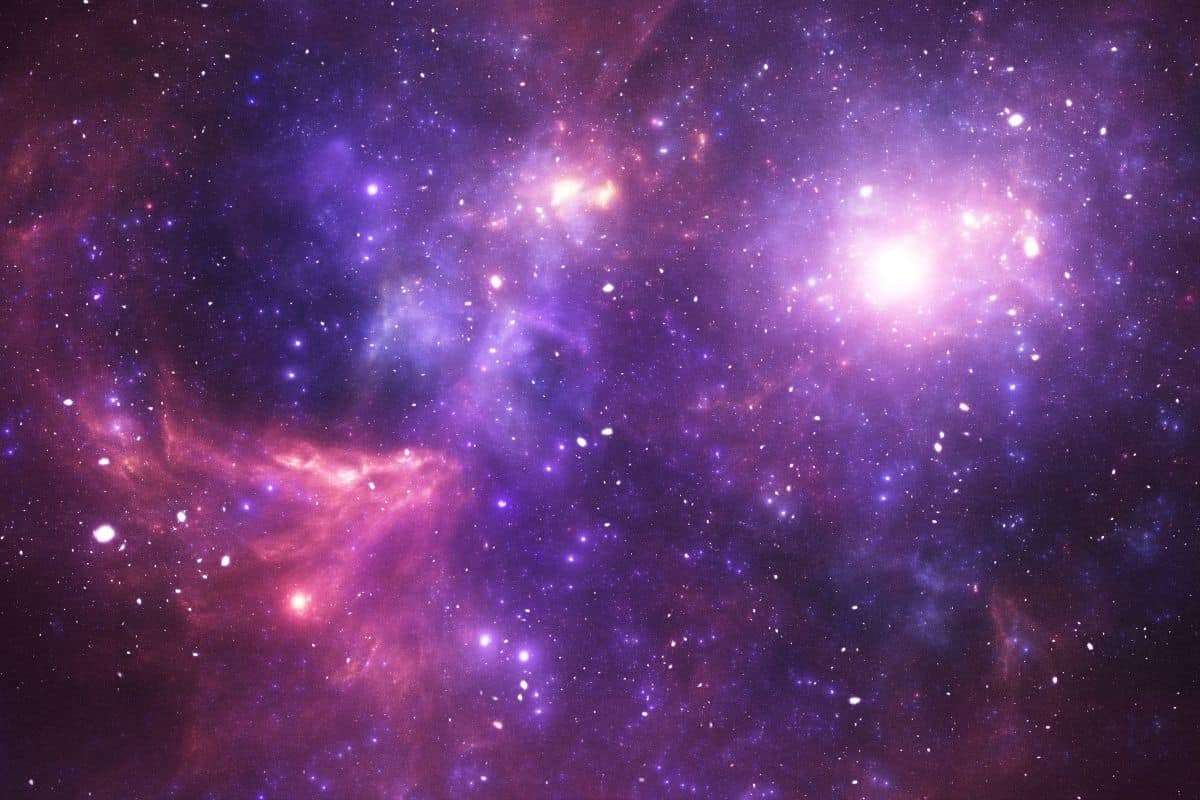
Contrary to long-held beliefs, some galaxies thought to have stopped producing stars might still be active. A groundbreaking hypothesis suggests the existence of a third class of galaxies — red star-forming galaxies — which could revolutionize the way we understand galaxy evolution and stellar birth. This concept, proposed by astrophysicist Charles Steinhardt from the University of Missouri, hints that the cosmos may have generated more stars over time than we currently estimate.
Rethinking Galaxy Classification
Traditionally, astronomers have sorted galaxies into two categories: blue galaxies, characterized by youthful stellar activity, and red galaxies, seen as aged and inactive. Recent findings, however, cast doubt on this clear divide. Steinhardt introduces an intriguing third category: galaxies that look red but are still actively forming stars.
“Red star-forming galaxies primarily produce low-mass stars, making them appear red despite ongoing star birth,” he explains.
Add Cosmo Herald as a Preferred Source

Star Formation’s Impact Across the Universe
The research, featured in the Astrophysical Journal, reveals that these red star-forming galaxies could make up a major fraction of the stellar mass we observe today. This suggests that previous calculations about star formation in the early cosmos might have underestimated the true numbers.
“Our theory responds to unexplained discrepancies in the observed ratios of black hole mass relative to stellar mass, as well as different initial mass functions in blue versus red galaxies — issues not resolved by aging or galaxy mergers alone,” Steinhardt explains.
“It turns out, many of the stars we see now may have formed under quite different conditions than we once thought.”
Reevaluating Post-Starburst Galaxies
A puzzling type called post-starburst galaxies, which go through brief, intense star formation bursts before becoming silent, may also be understood differently under this new perspective.
Previously attributed to the aftermath of collisions between galaxies, Steinhardt suggests these systems might instead have been quietly producing small, red stars continuously.
SciTechDaily notes, “If correct, this could require a redefinition of post-starburst galaxies, with some reclassified as a subset of red star-forming galaxies.”
Ongoing Investigations and Future Directions
While still emerging, this theory is drawing interest from researchers planning to test its predictions. At the University of Missouri, students are leading studies aimed at uncovering further evidence. Junior Mathieux Harper and colleagues are actively seeking more data to bolster Steinhardt’s claims.
Simultaneously, sophomores Carter Meyerhoff and Zach Borowiak analyze data from the European Space Agency’s Gaia satellite, which has charted billions of stars across the Milky Way.
Rewriting Our Universe’s Story
This new concept—that red galaxies can still form stars—challenges longstanding views on galaxy evolution.
“The existence of these galaxies could mean that the universe has formed significantly more stars than previously estimated,” Steinhardt concludes. “It supports the idea that the life cycle of galaxies is more complex than a simple progression from blue to red and dead.”
Should this third galactic type be verified, it could prompt significant revisions to cosmological history and alter how we perceive the universe’s development over billions of years.
- Categories:
- Space




0 comments
Sign in to Comment