
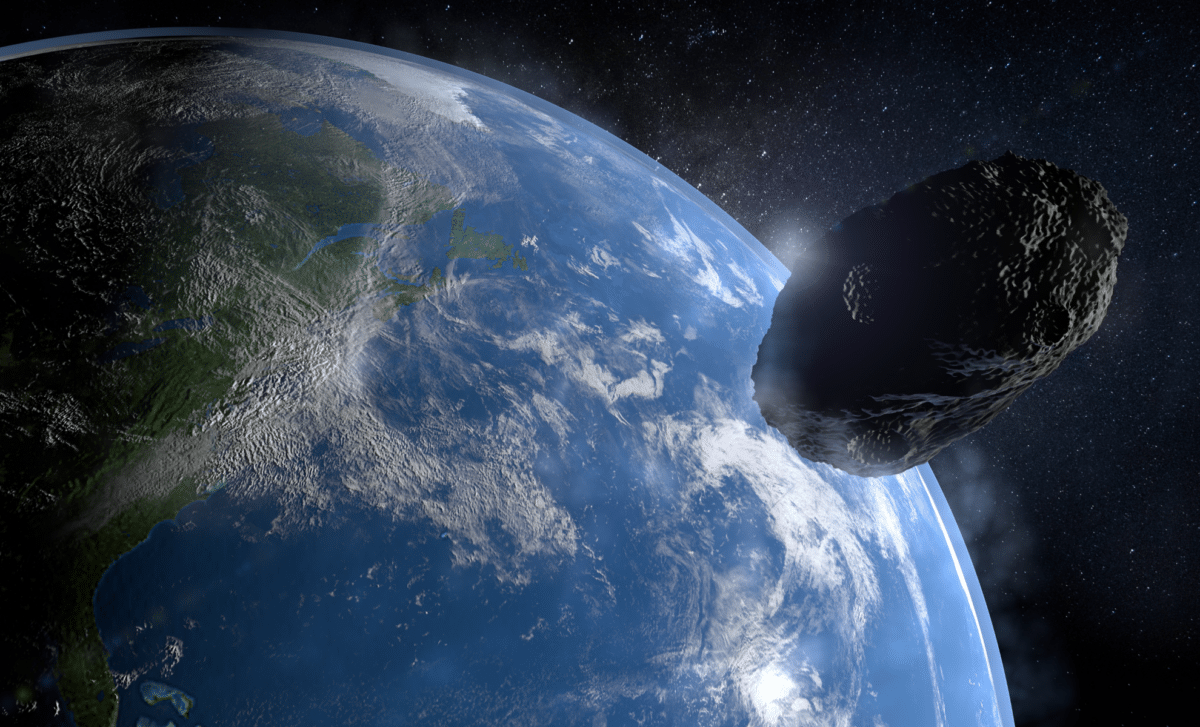
For years, astronomers have been monitoring a select group of near-Earth objects sharing our planet’s path around the sun. Notably, Asteroid 2016 HO3 and the well-studied quasi-satellite Kamo’oalewa have fueled ongoing debate: are these bodies merely stray asteroids from the main asteroid belt, or could they actually be debris that came from the moon? Recent computer models featured in Icarus lean toward an asteroid belt origin, but pending space missions aiming to return samples may soon help solve the mystery.
The Intriguing Realm of Earth’s Co-Orbital Objects
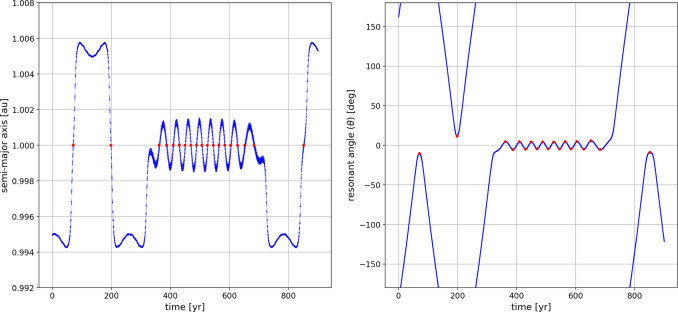
Earth isn’t solitary in its journey; a small set of co-orbitals quietly follow along in solar orbit. These objects range from only a few meters up to several tens of meters in size and exhibit fascinating orbital behaviors such as tadpole, horseshoe, and quasi-satellite trajectories. Their orbits are so closely intertwined with Earth’s path that they effectively share its orbital period around the sun, making them unique companions in space.
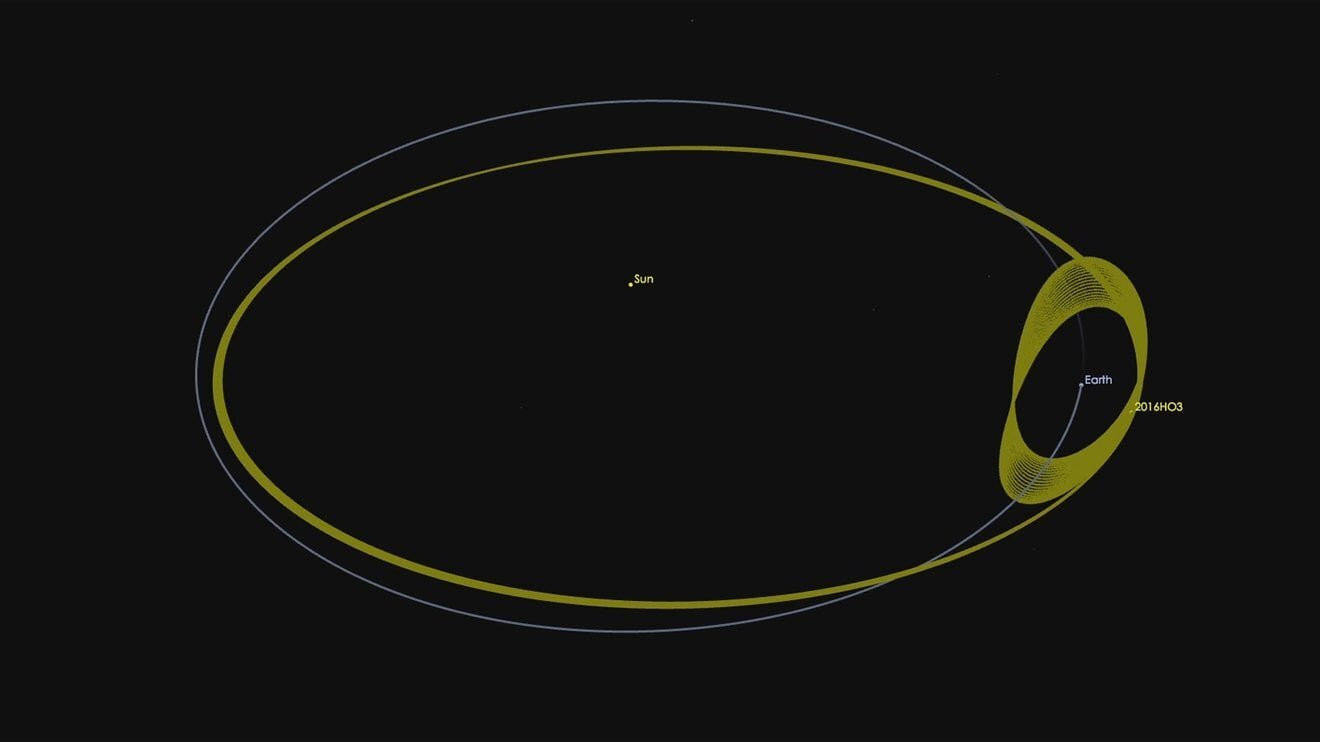
Among these, Kamo’oalewa attracts attention not only for its orbital stability but also due to its distinct surface makeup. Spectral studies have found that its composition closely resembles the space-worn silicates characteristic of the moon, igniting speculation that one or more co-orbitals could be fragments ejected from the lunar surface after significant impacts.

Weighing the Evidence: Lunar Ejecta vs. Main Belt Asteroids
The possibility that Kamo’oalewa represents a lunar fragment is exciting yet contentious. Certain researchers have proposed it may have originated from debris launched during the impact that created the Giordano Bruno crater, a large 22-kilometer-wide crater on the moon’s far side formed within the last 10 million years.
But theoretical analyses indicate that propelling a roughly 50-meter fragment into a stable Earth quasi-satellite orbit demands an extraordinary energy input. Simulations estimate that such an event might happen only once every 20 billion years — far longer than the universe’s current age.
Based on orbital dynamics, scientists calculate roughly a 21% chance that Kamo’oalewa originated from lunar material, implying that its lunar origin, while possible, is statistically less likely than an origin in the asteroid belt.
Advanced Simulations Shed Light on Rare Orbital Patterns
To delve deeper, researchers Elisa Alessi and Robert Jedicke conducted exhaustive supercomputer simulations, releasing 12,000 virtual particles from the lunar surface with diverse speeds and launch angles. They simulated their orbital evolution over millions of years to determine the likelihood of settling into long-term Earth co-orbital paths.
The simulations revealed that only a limited number, approximately 70 bodies larger than 10 meters, could maintain stable co-orbital orbits. By contrast, modeling of objects drifting from the main asteroid belt via NEOMOD3 predicted about 1,600 potential co-orbitals naturally arriving near Earth.
Published in Icarus, these results point to most Earth co-orbitals being captured asteroids rather than lunar debris — though a few exceptions remain plausible.
- Categories:
- Science







0 comments
Sign in to Comment