
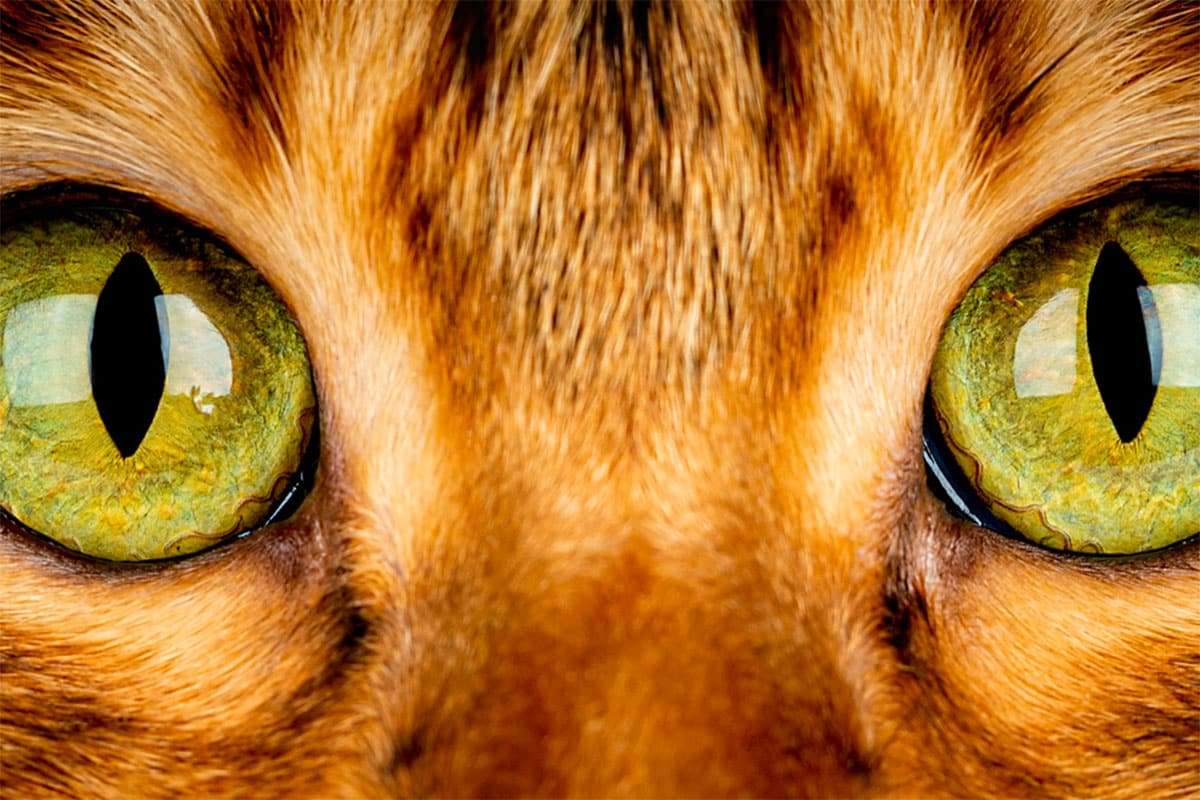
For years, cats have fascinated researchers with their remarkable vision, especially their impressive skill in tracking moving objects with sharp precision. Scientists at the Gwangju Institute of Science and Technology (GIST) in South Korea are now replicating this feline ability to improve the performance of military drones.
Cats excel in vision due to their pupils’ incredible adaptability to different lighting conditions. In bright environments, their eyes narrow to a thin vertical slit, while in dimmer settings, their pupils expand widely to capture more light. This dynamic adjustment allows cats to see clearly across a broad range of lighting scenarios, a trait that engineers have now mimicked for drone optics.
The research team from South Korea has created a specialized lens that copies this feline feature, enabling drones to:

- Respond dynamically to changes in ambient light
- Sharpen focus on critical targets, while de-emphasizing irrelevant visuals
- Retain tracking accuracy even in demanding conditions
This breakthrough marks a major advancement in drone technology, with the potential to redefine surveillance and combat strategies.
Improved tracking capabilities and energy savings
The cat-inspired lens technology not only sharpens vision but also boosts the drone’s tracking precision, similar to a cat’s intense fixation on its prey. This could be vital in military applications where targets are often concealed or environments are complex.
Young Min-Song, the principal researcher, told Science Daily, “Robotic cameras tend to struggle with pinpointing objects in cluttered or camouflaged settings, especially under shifting light conditions. Our technology addresses this by enabling robots to ignore extraneous details and concentrate on key objects.”
Additionally, this technology can help drones conserve energy by focusing only on essential visual data, thus extending operational endurance and flight duration.
These advancements align with other cutting-edge developments like artificial neurons enabling remote brain control, highlighting the accelerating fusion of biology-inspired design and technology.
Integrating AI for smarter drones
Beyond the adaptive lens, developers are exploring the use of artificial intelligence to elevate drone functionality. Merging this lens with AI systems could enable drones to autonomously spot and follow targets with predator-like efficiency.
Future AI-powered drones may be capable of:
- Identifying specific people or items
- Adjusting to rapidly shifting surroundings
- Making split-second decisions based on real-time visual data
- Collaborating with other drones for sophisticated mission execution
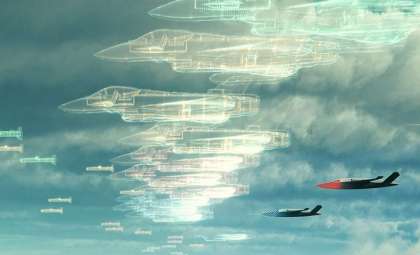
These capabilities could extend well beyond military use. For instance, advanced deception techniques might combine enhanced vision with AI tactics to outsmart opponents.
Though promising, the technology remains under development, with ongoing work aimed at improving image resolution and accuracy in detecting targets amidst dynamic low-light environments.
Potential impact on warfare and civilian sectors
The arrival of cat-inspired drone optics signals a new chapter in aerial combat and reconnaissance technologies. As these systems become more refined, they promise to transform military strategies and intelligence gathering.
Feature Military Application Civilian Application Adaptive vision Superior reconnaissance under diverse lighting Enhanced search and rescue missions AI integration Automatic target recognition and monitoring Improved wildlife tracking and environmental protection Energy efficiency Longer operation times Increased endurance for commercial drone flights
Beyond defense, this innovation could revolutionize industries such as emergency response and ecological research, and even aid progress in self-repairing materials for drone construction.
As these intelligent drones advance, ethical debates and international laws will become essential in guiding their responsible usage. Balancing cutting-edge innovation with oversight will be key to harnessing this technology’s full potential.
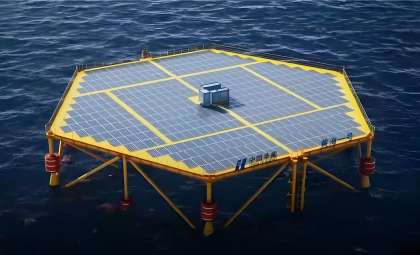
With continuous innovation, the day may come when drones equipped with cat-inspired vision and advanced AI become fundamental to both defense and civilian applications. Similar to China’s massive offshore solar projects, these technological strides exemplify how rapidly emerging technologies are reshaping our world.
- Categories:
- Tech









0 comments
Sign in to Comment