
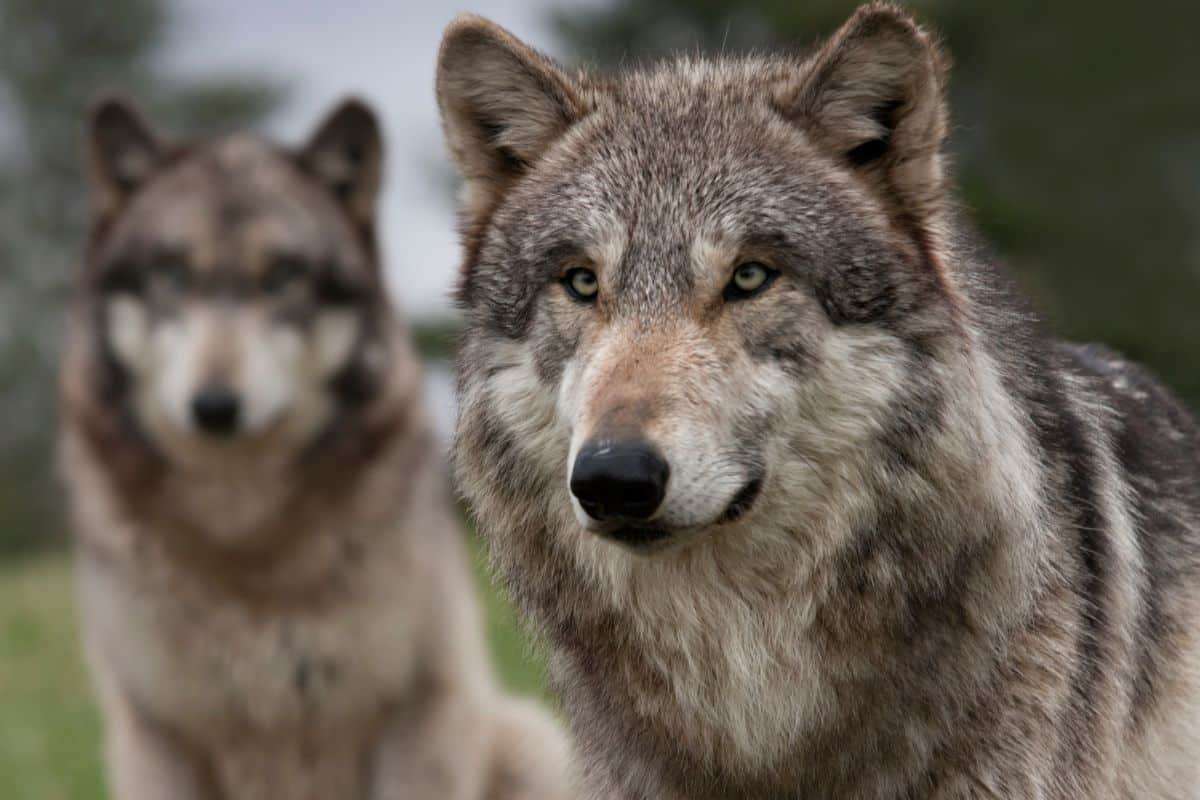
The Highlands of Scotland are on the brink of a major ecological transformation, sparked by the possible comeback of a long-absent apex predator. A recent investigation led by the University of Leeds suggests that bringing wolves back to the area could play a crucial role in both revitalizing ecosystems and aiding in climate change mitigation.
Wolves would help naturally curb the excessive red deer numbers, enabling forest regeneration that boosts carbon storage, with estimates indicating the capture of up to one million tons of CO2 every year.
Transforming Scotland’s Environment with Wolves
For over 200 years, Scotland’s red deer have flourished unchecked due to the absence of predators like wolves. These deer heavily browse on young trees, obstructing woodland growth and leaving large expanses bare.
Researchers employed predator-prey dynamic models to estimate the impact of a controlled wolf population within designated Scottish Wild Land areas such as the Cairngorms, South-west Highlands, Central Highlands, and North-west Highlands.
The study indicates that introducing roughly 167 wolves in these regions could sustainably lower deer populations, allowing natural forest recovery. This would greatly increase Scotland’s carbon capture potential, supporting the UK’s commitment to net-zero emissions by 2050.

Wolves: Natural Climate Champions
One striking outcome of the research is the estimated economic value each wolf brings through carbon sequestration. Scientists suggest that a single wolf could promote the absorption of up to 6,080 tonnes of CO2 annually. Based on current carbon market prices, the climate-related benefits per wolf could be valued at approximately £154,000.
This reinforces the argument that reintroducing top predators offers a powerful nature-based strategy for addressing environmental issues. By resuming their role as apex predators, wolves may provide vital ecosystem services beyond biodiversity recovery, including enhanced carbon capture and improved climate resilience.
Encouraging Ecosystem Recovery
The findings converge with growing evidence that biodiversity decline and climate change represent linked global crises. The loss of native woodlands not only threatens local wildlife but also diminishes the earth’s capacity to sequester carbon. Lead author Professor Dominick Spracklen highlighted the importance of integrated, nature-focused solutions.
“Restoring natural processes like species reintroduction can help rebuild damaged ecosystems, providing combined benefits for climate change mitigation and biodiversity conservation,” Spracklen explained.
Allowing wolves to reclaim their natural role could encourage forest regeneration, fostering habitats for diverse species while amplifying carbon storage—offering a dual benefit for conservation and climate efforts.
Protecting Nature or Stirring Controversy?
Despite promising advantages, bringing back wild predators remains a subject of intense debate. Many farmers and deer hunters are concerned about the impact wolves may have on livestock and revenues linked to hunting and deer management.
Critics warn of increased human-wolf conflicts and the need for careful management to avoid losses. Conversely, proponents emphasize the broader economic gains from a balanced wolf population, including:
- Reduced expenses for government and private deer population control
- Boosted ecotourism prospects, reflecting successes seen at Yellowstone National Park
- Fewer vehicle collisions involving deer, lowering accidents and related costs
Successfully integrating wolves calls for collaborative planning between farmers, conservationists, policymakers, and communities to align ecological restoration with economic sustainability.
Looking Ahead
The research offers robust scientific justification for reconsidering wolf restoration in Scotland. The path forward depends on public opinion, legislation, and regulatory support.
If realized, the wolf reintroduction initiative could become one of the most far-reaching conservation projects in the UK, with vast potential to reshape habitats, revitalize biodiversity, and reinforce climate mitigation strategies.
- Categories:
- Climate change ,
- Nature









0 comments
Sign in to Comment