
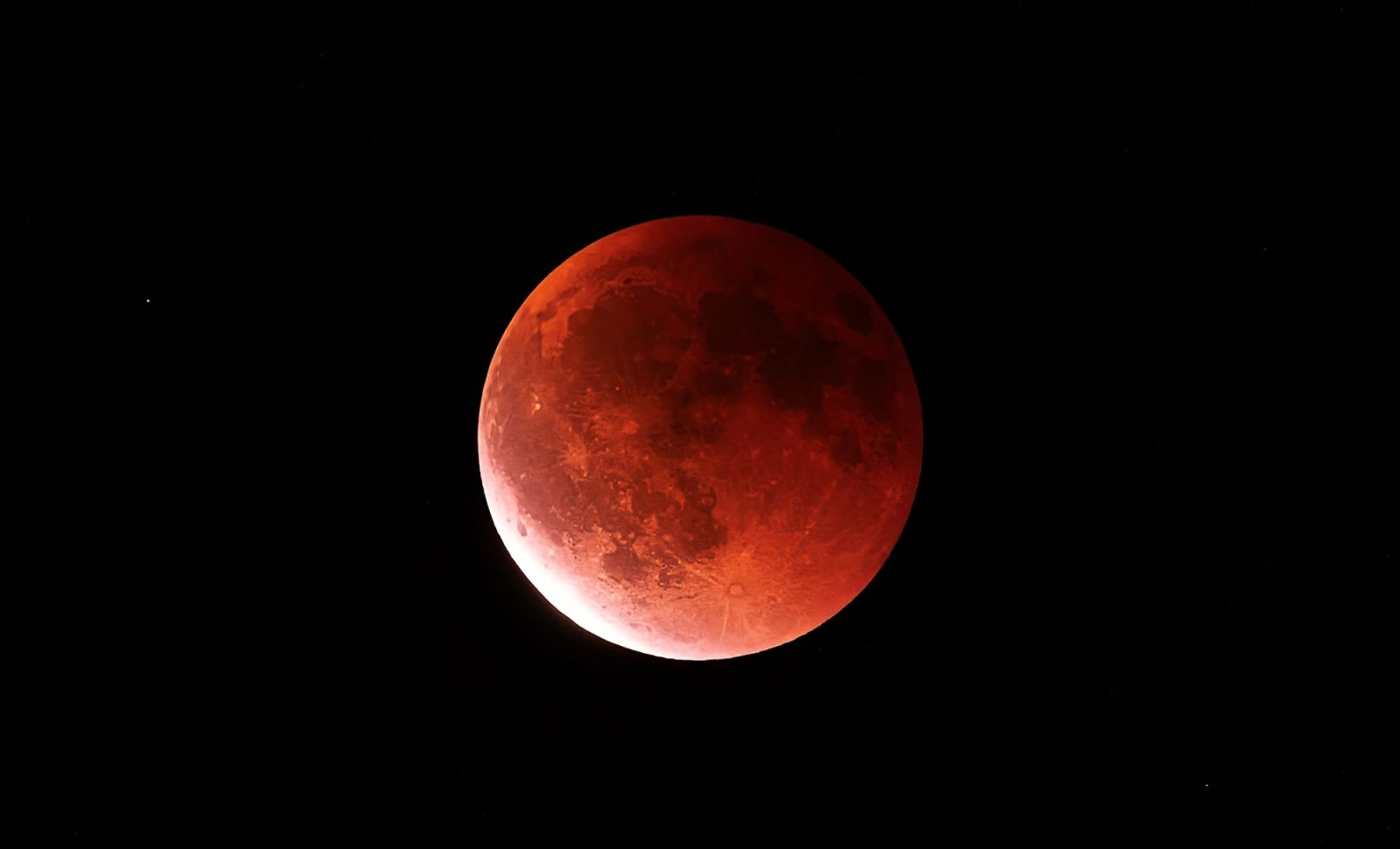
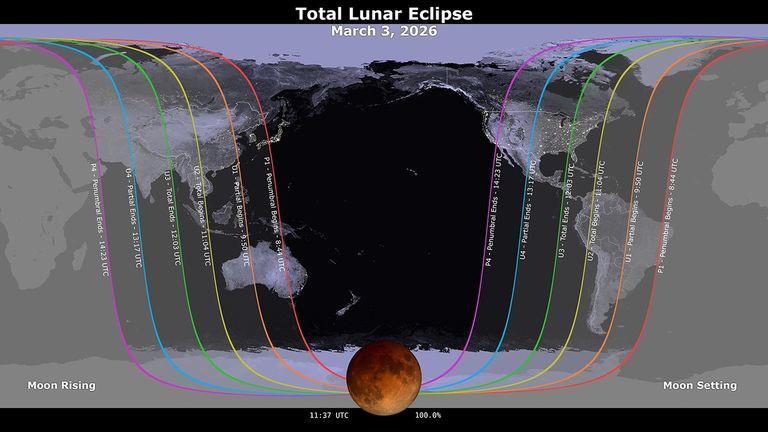
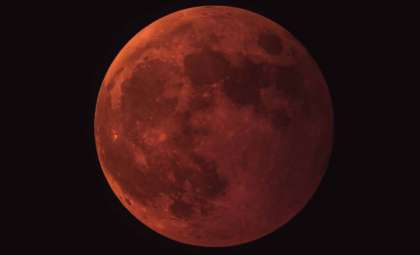
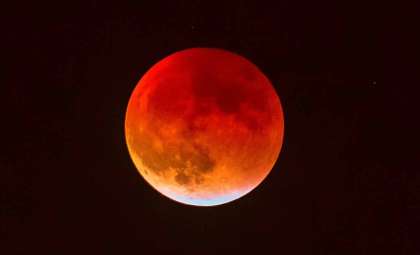
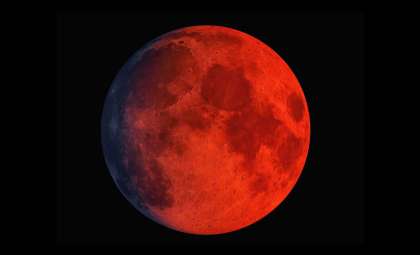
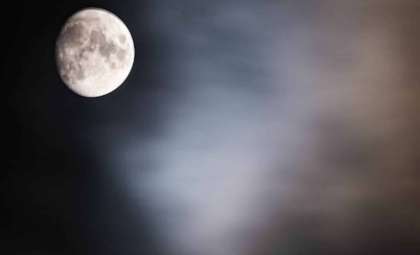
Tonight offers an exceptional chance for sky enthusiasts to observe the final total lunar eclipse for nearly three years. During this event, the Moon will glow with a vivid red tint as it moves completely into Earth’s shadow. Since the next total lunar eclipse won’t take place until 2028, viewers in the Americas, Australia, and parts of Asia should not miss this astronomical show.
What Makes Total Lunar Eclipses So Remarkable?
Lunar eclipses captivate many, but total lunar eclipses are truly mesmerizing. This phenomenon occurs when the Moon is fully immersed in Earth’s shadow, which gives it a striking reddish glow caused by sunlight filtering through our atmosphere. As explained by NASA’s SpacePlace, total lunar eclipses are less frequent than partial ones because they require a precise alignment of the Moon and Earth’s shadow. This explains why enthusiasts face a long gap until the next total eclipse in 2028.
Unlike solar eclipses that are visible over narrow paths, total lunar eclipses can be seen from half the planet, making them accessible to many. Each eclipse showcases unique visual features, and this one is especially noteworthy as it will be the last total eclipse visible for the upcoming three years.

Looking Ahead: The Next Total Lunar Eclipse
The wait between total lunar eclipses can feel prolonged, especially as the sky will be treated mostly to partial or penumbral eclipses in the interim. As highlighted by IFLScience, the upcoming six lunar eclipses will be of the partial or penumbral variety, including a January 2028 eclipse where only less than 7% of the Moon will be fully covered. Partial eclipses reveal Earth’s shadow slowly encroaching but don’t offer the intense red coloration typical of total eclipses. Penumbral eclipses are even subtler and often go unnoticed.
The New Year’s Eve 2028 Total Eclipse
If you happen to miss tonight’s event, the next total lunar eclipse will not appear for quite some time—until New Year’s Eve 2028. This upcoming eclipse will be visible in extensive areas of Asia, Australia, and parts of Europe.
Following the 2028 eclipse, the total lunar eclipses will return with notable intensity. By June 2029, the Moon will pass nearly through the center of Earth’s shadow, resulting in a particularly profound and dramatic display.
- Categories:
- News



0 comments
Sign in to Comment