
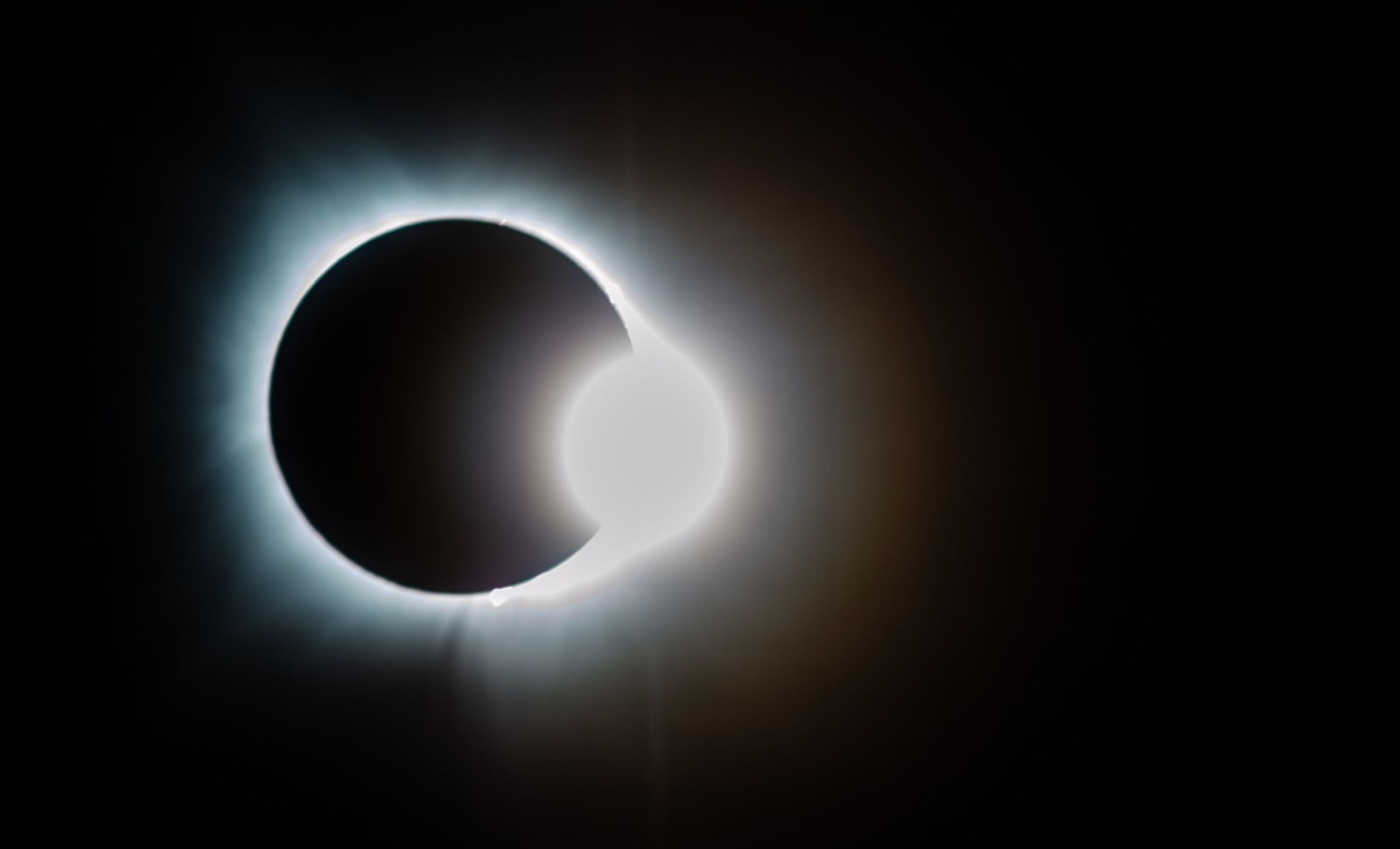
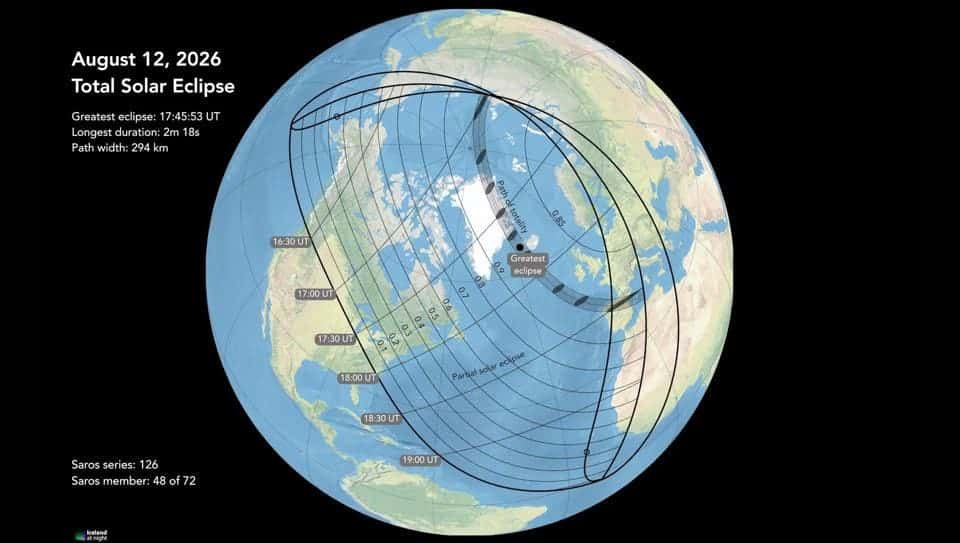
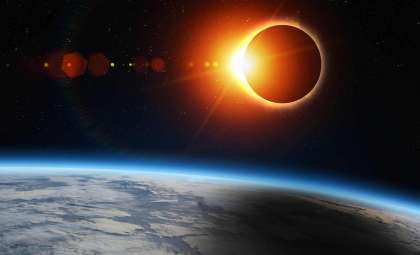
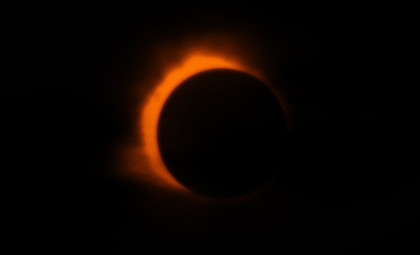
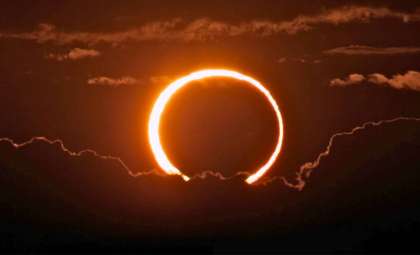
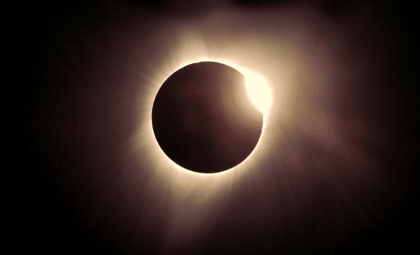
Anticipation builds for a spectacular astronomical spectacle coming this year. On August 12, 2026, a total solar eclipse will occur as the Moon fully obscures the Sun along a narrow corridor extending from the Arctic region down to the Mediterranean. This celestial event will be visible in its totality from select areas including Greenland, Iceland, Spain, and parts of Portugal.
Beyond the path of full eclipse, millions across Europe, northwestern Africa, Canada, and sections of the northern United States will witness a partial solar eclipse. Several nations will have the rare opportunity to see a total eclipse for the first time in decades.
This occurrence is notable for European observers. According to Forbes, it will mark Iceland’s first total solar eclipse since 1954 and the first one visible from Spain since 1905. Mainland Europe hasn’t seen such an event since 1999.

An Extraordinary Arctic Route
The Moon’s shadow will trace a path around 5,133 miles (8,260 kilometers) in length, with a width reaching up to 182 miles (293 kilometers). This swath of darkness will cross the Arctic, eastern Greenland, western Iceland, the Atlantic Ocean, northern Spain, and a small part of Portugal, concluding near the eastern edge of the Balearic Islands.
The maximum duration of totality near Iceland will be approximately 2 minutes and 18 seconds. Observers in Spain will see the eclipse just before sunset, placing the Sun low on the northwestern horizon. Greenland is anticipated to be an exceptional viewing destination as well.
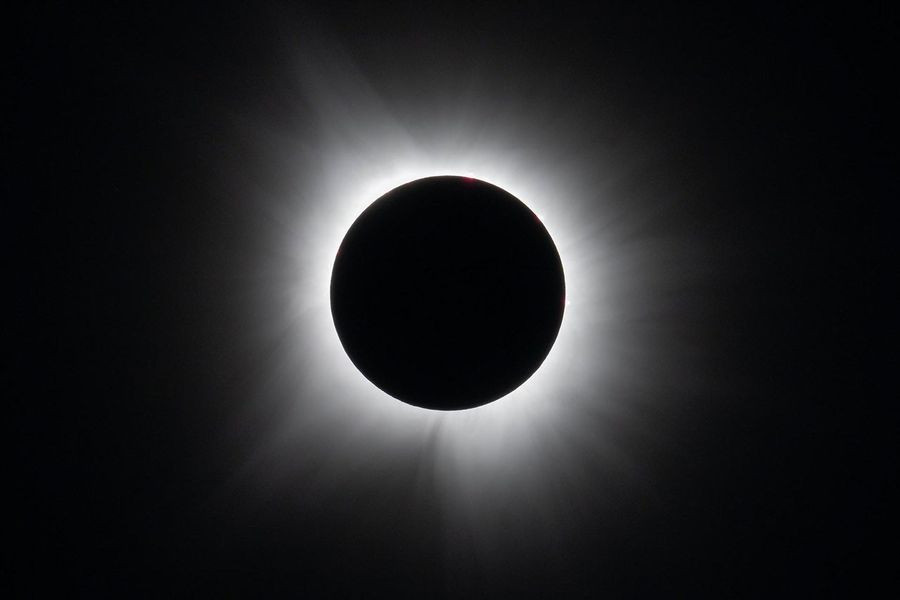
Outside the path of complete eclipse, millions will see a partial eclipse. Spectators across large stretches of Europe, northwestern Africa, Canada, and northern US states will watch as the Moon partially obscures the Sun.
Prime Viewing Locations
Many dedicated eclipse watchers are already preparing to travel to areas directly underneath the Moon's umbra. As detailed by Forbes, Scoresby Sund in Greenland will experience one of the longest totality phases, lasting close to 2 minutes and 17 seconds. In Iceland, the Snæfellsnes Peninsula will witness around 2 minutes and 9 seconds of total eclipse, Reykjavík about one minute, and the Reykjanes Peninsula up to 1 minute and 46 seconds.
Spain also offers numerous excellent vantage points for witnessing totality. Cities such as León and Burgos will see nearly 1 minute and 44 seconds, Zaragoza 1 minute and 22 seconds, A Coruña 1 minute and 16 seconds, while the Ebro Delta and S’Arenal in Mallorca will experience about 1 minute and 36 and 1 minute and 35 seconds respectively.
For optimal views, observers in Spain should seek elevated landscapes, open fields, coastal locations, or plateaus with a clear sight line toward the northwest horizon. Regions like Castile and León, La Rioja, Aragón, and the Balearic Islands are predicted to offer favorable viewing conditions.
Guidelines for Safe Viewing
Witnessing a total solar eclipse requires strict adherence to eye safety protocols. Per NASA, protective, certified eclipse glasses or approved solar filters must be used whenever any sunlight remains visible. During the brief totality phase, when the Moon entirely covers the Sun, it is safe to remove protective eyewear and enjoy the Sun’s corona directly. Protection must be restored as soon as the Sun begins to reappear.
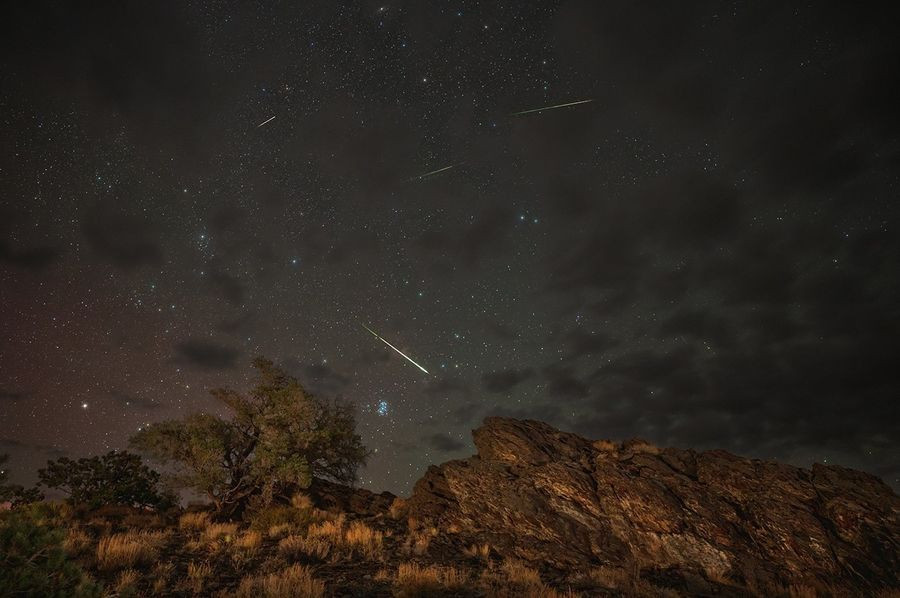
Additionally, Forbes highlights that the eclipse coincides with the peak of the annual Perseids meteor shower, which can generate up to 100 meteors per hour in optimal conditions, offering eclipse watchers an extra stellar experience later that evening.
The underlying reason total solar eclipses occur is the remarkable coincidence that the Sun is about 400 times larger than the Moon but also approximately 400 times farther away from Earth, making their apparent sizes nearly identical in our sky. This alignment allows the Moon to completely cover the Sun during totality.
- Categories:
- News


0 comments
Sign in to Comment