
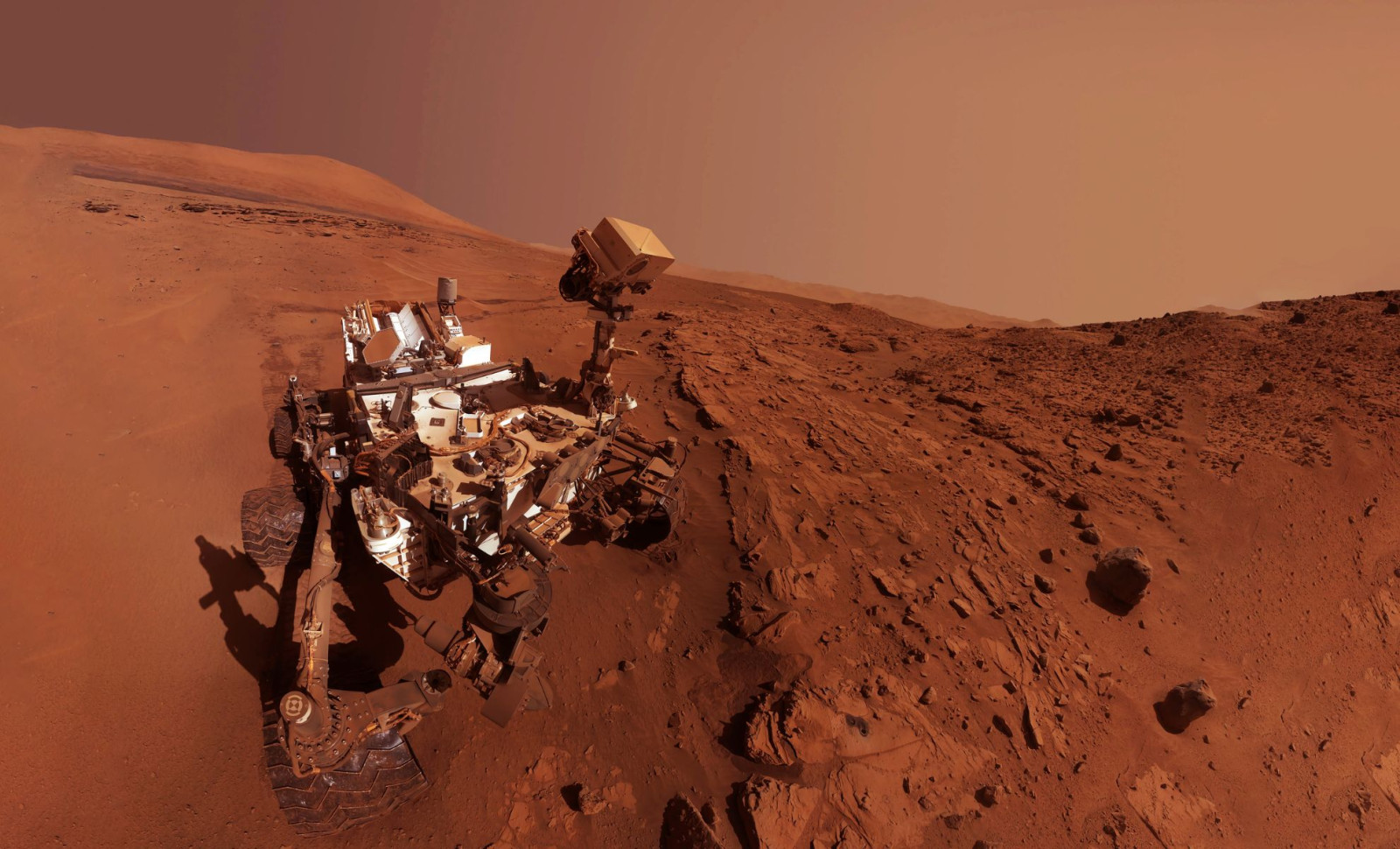
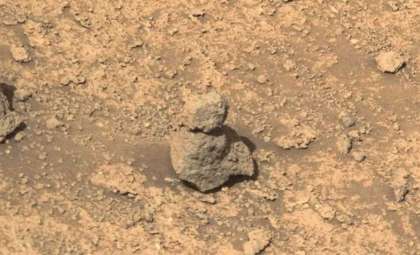
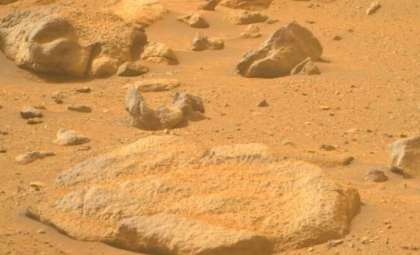
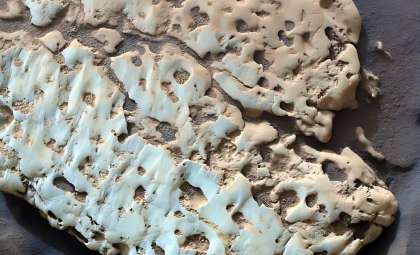
The Curiosity rover, operated by NASA, recently captured an image of an unusual rock on Mars that resembles coral. This intriguing formation, measuring just about an inch across, offers valuable insights into the Red Planet’s ancient geological processes, pointing to a time when liquid water may have shaped its surface. While Curiosity has encountered many oddly shaped rocks before, this one stands out for its detailed and captivating appearance.
Launched in 2012, Curiosity has been actively investigating Mars for more than ten years. Its primary goal is to uncover evidence about the planet’s past conditions and assess whether it could have once supported microscopic life. Every rock Curiosity studies brings scientists closer to understanding Mars’ environmental history.
A Geological Marvel Sculpted Over Billions of Years
On July 24, during its 4,609th Martian day (sol), Curiosity transmitted a photo of this tiny coral-like rock formation. Despite its small size, the intricate ridges and curved textures indicate a long formation process shaped by past environmental factors. The striking similarity to Earth’s coral reefs is purely a coincidental, natural mineral phenomenon.

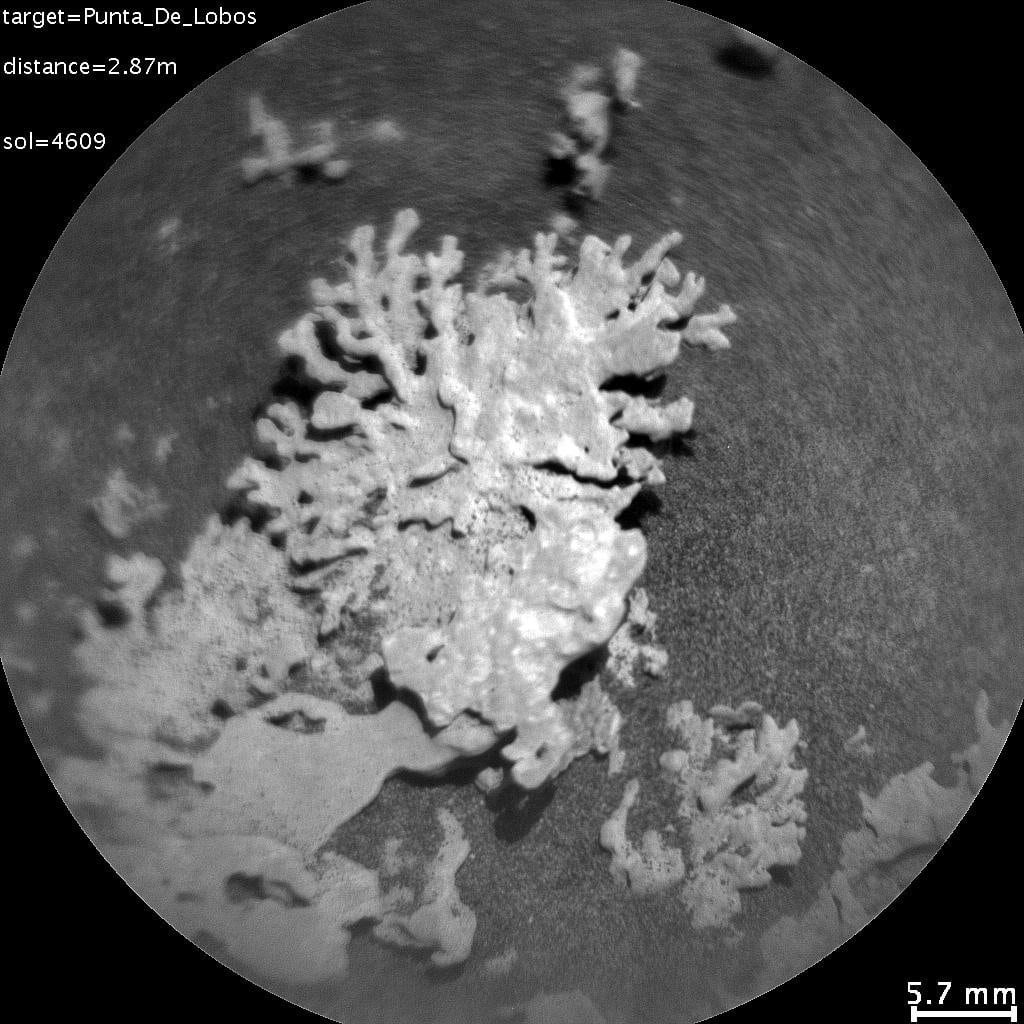
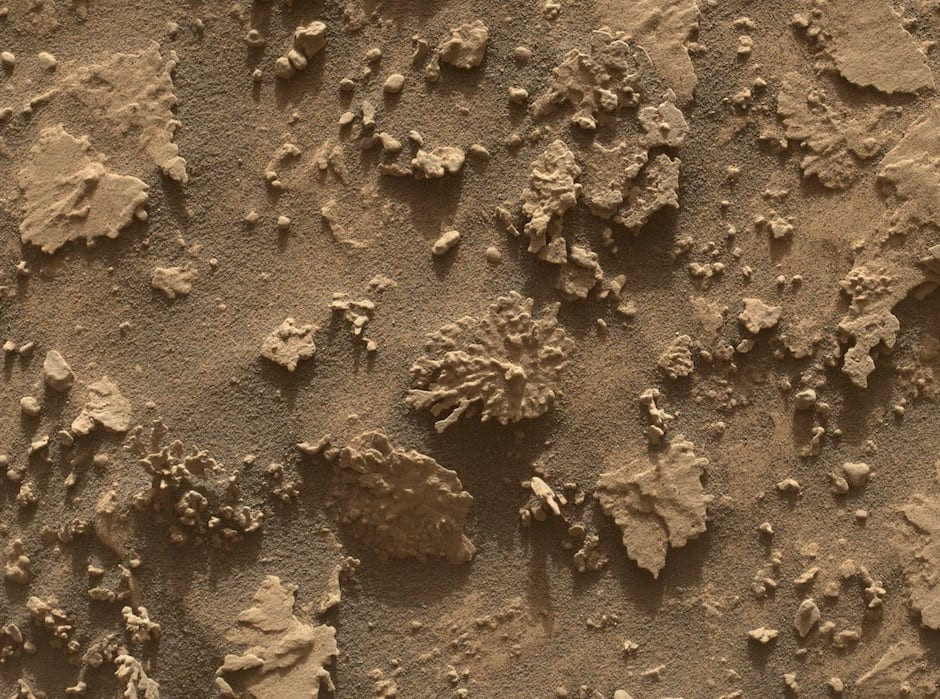
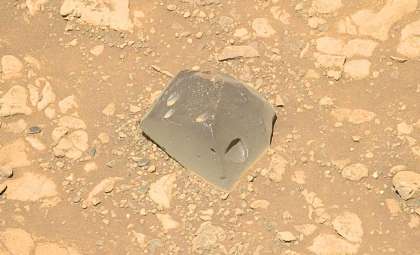
NASA has reported that comparable structures have appeared previously, such as a 2-inch rock nicknamed “Paposo,” discovered that same day. These shapes while unusual, commonly occur on Mars, especially where wind erosion has extensively sculpted the landscape over eons. NASA explained:
“Water carried dissolved minerals into rock cracks and later dried, leaving the hardened minerals behind.”
Revising Mars’ Water History
The morphology of this rock suggests it formed through interactions involving liquid water. NASA hypothesizes that mineral-rich liquids seeped into fractures within the Martian bedrock, depositing minerals that solidified over time. Subsequent exposure to the surface led to gradual erosion by wind-blown sand, creating the delicate, coral-like texture visible today.
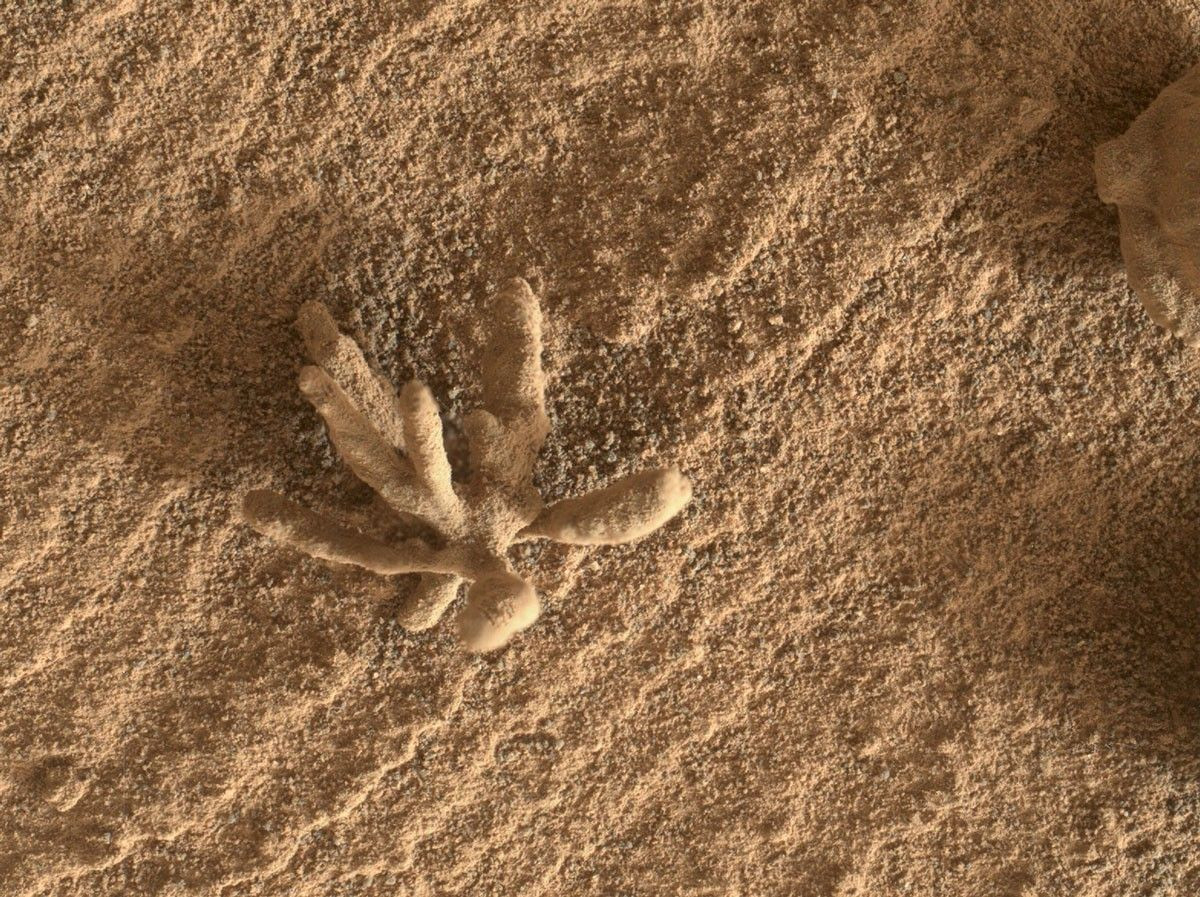
Scientists are familiar with this process. A flower-shaped rock documented by Curiosity in 2022 was attributed to similar mineralization, strengthening evidence for historical subterranean water movement on Mars. These findings reinforce the idea that Mars experienced episodes of a wetter climate, albeit temporarily.
Clues of Mars’ Ancient Water Systems Preserved in Stone
Designed and managed by NASA’s Jet Propulsion Laboratory, Curiosity touched down in Gale Crater after traveling 352 million miles over eight months. Its mission centers on assessing if Mars had once offered suitable conditions for life. Early discoveries from Curiosity included chemical and mineral signatures indicating that ancient Mars supported environments conducive to habitability.
To date, Curiosity has traversed more than 22 miles, acquiring rock specimens and atmospheric measurements that aid in piecing together Mars’ geological narrative. The rover continues its exploration around Mount Sharp, a peak within Gale Crater thought to hold layered records of the planet’s environmental evolution.
While this recent discovery doesn’t prove the existence of life on Mars, it provides further evidence that liquid water was once an active force shaping the Martian surface, raising intriguing questions about Mars’ climatic past and its potential to have supported life.
- Categories:
- Space



0 comments
Sign in to Comment