

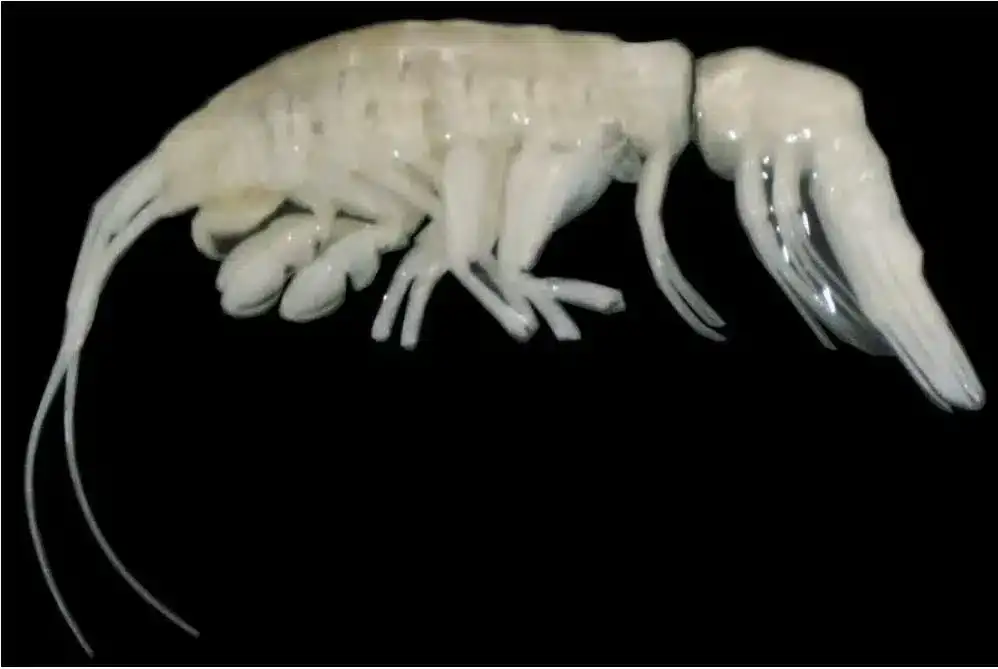
Marine researchers have uncovered a previously unknown amphipod species dwelling in the profound depths of the Atacama Trench. Dubbed Dulcibella camanchaca, this diminutive crustacean, only about four centimeters long, exhibits extraordinary predatory skills suited to its shadowy habitat.
Although compact in stature, D. camanchaca boasts adapted grasping limbs that enable it to efficiently seize prey. These specialized traits allow it to flourish in an environment marked by scarce resources and intense survival challenges. This finding sheds light on the astonishing diversity of organisms evolved to endure the planet’s most forbidding zones.
Intriguingly, the significance of discovering D. camanchaca rivals that of locating the tallest and oldest tree in the world. Both discoveries serve as reminders of the marvels still hidden in the unexplored reaches of Earth, from oceanic abysses to ancient terrestrial giants.

Exploring the mysteries of the hadal depths
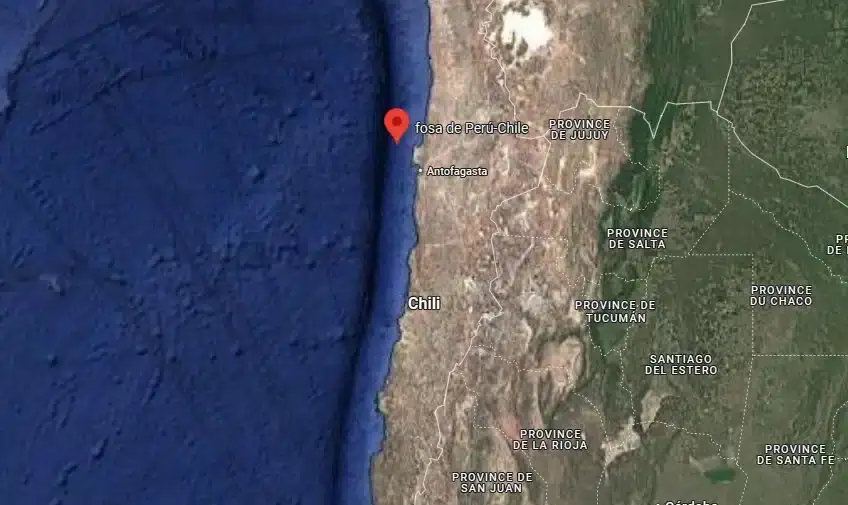
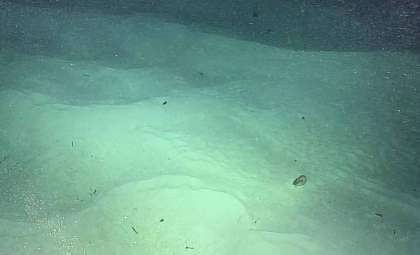
The hadal zone, encompassing oceanic regions from 6,000 to 11,000 meters deep and named after the Greek underworld deity Hades, remains one of the least accessible and most extreme habitats on Earth. The presence of D. camanchaca nearly 8,000 meters beneath the surface in the Atacama Trench highlights the crucial role of advanced oceanographic exploration.
Ranked among the planet’s deepest trenches, the Atacama Trench continues to reveal astonishing aquatic life forms. This latest addition not only introduces a novel species but also establishes a new genus, marking a pivotal advancement in deep-sea biological classification.
- Immense pressure: Reaching up to 1,000 times surface level
- Complete darkness: Void of any sunlight penetration
- Chilly temperatures: Averaging near 1-4°C (33.8-39.2°F)
- Scant nourishment: Survival reliant on marine detritus and chemosynthetic processes
Significance for ocean biology and preservation
The recognition of Dulcibella camanchaca as a distinct species and genus holds considerable repercussions for marine biology. It illuminates the vast unknowns concerning deep ocean habitats and underscores the urgency for expanded scientific investigation in these isolated environments.
Dr. Johanna Weston, co-leader of the study from the Woods Hole Oceanographic Institution (WHOI), remarks: “This amphipod is a swift predator named after the term for ‘darkness’ in Andean languages, mirroring the pitch-black setting where it hunts.” Its unique evolutionary traits offer profound insights into how life adapts to extreme conditions.
The research group, featuring experts from Chile’s Instituto Milenio de Oceanografía (IMO), performed meticulous morphological and genetic studies on four specimens collected during the 2023 IDOOS (Integrated Deep-Ocean Observing System) expedition. Their comprehensive report in the journal Systematics and Biodiversity confirms the species’ novelty.
Encouraging further deep-ocean investigations
The identification of Dulcibella camanchaca underscores the rich, largely untapped biodiversity hidden in the ocean’s depths. It reinforces the importance of maintaining and increasing research activities in deep-sea regions, especially in national waters like those of Chile.
Carolina González of the IMO, also a study co-leader, stresses: “Findings like this highlight why sustained scientific inquiry is crucial in the Atacama Trench, particularly within Chile’s territorial boundaries.” Understanding and conserving the unique ecosystems of the hadal zone is vital amidst rising environmental threats.
Ongoing efforts to decode the ocean’s deepest mysteries, exemplified by discoveries such as D. camanchaca, remind us of the complex ecosystems that can flourish in the planet’s most extreme habitats. These revelations challenge existing views of marine life and fuel the drive to explore the vast underwater frontier.
- Categories:
- Nature










0 comments
Sign in to Comment